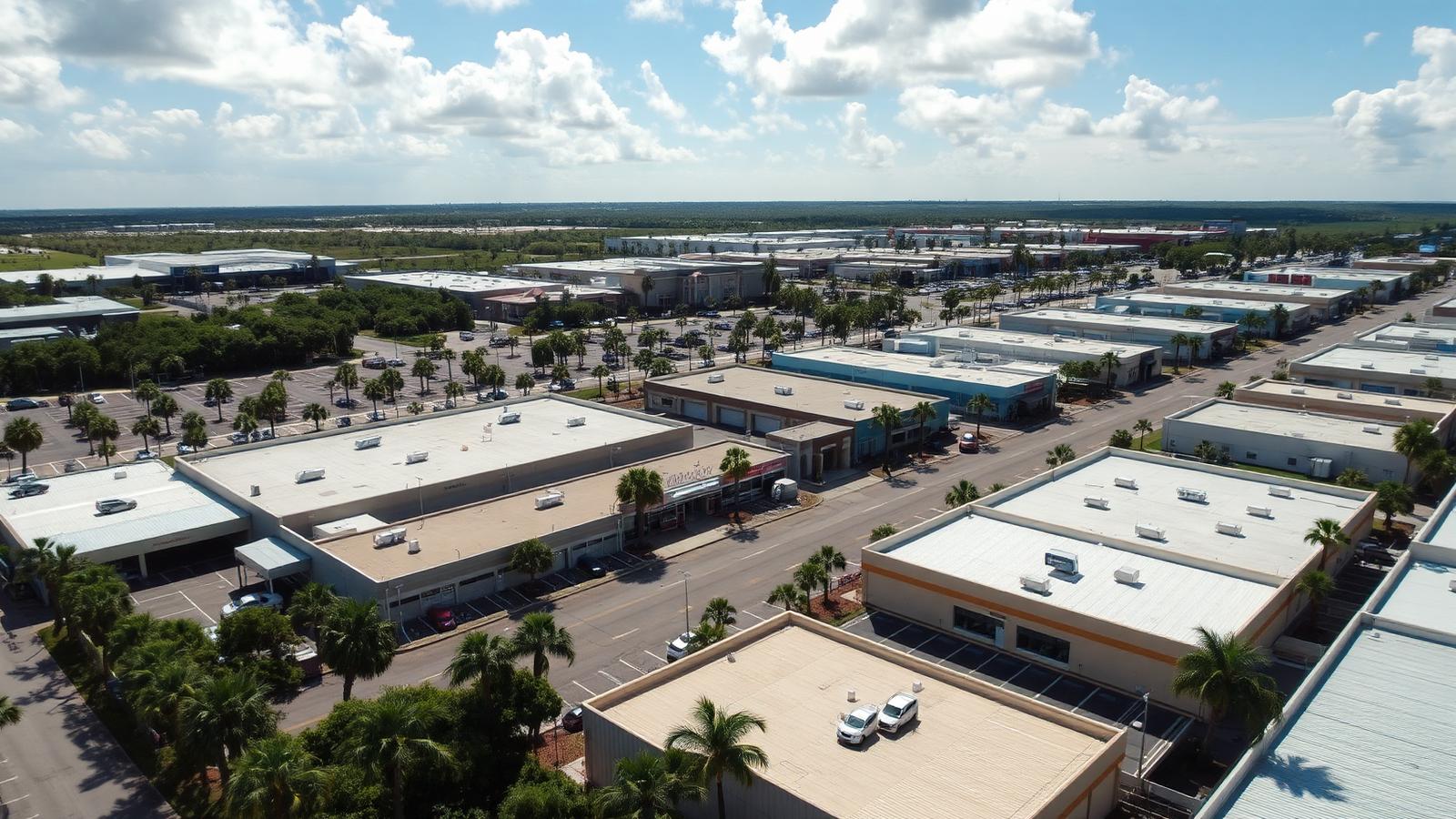
Managing commercial properties in South Florida demands a meticulous approach, especially when it comes to flat roofs. The combination of intense sun, heavy rainfall, high humidity, and the constant threat of hurricanes creates a challenging environment for any roofing system. For property managers, understanding these unique pressures and implementing proactive strategies is not just about maintenance; it's about safeguarding investments, ensuring tenant comfort, and maintaining operational continuity.
Proactive, climate-specific flat roof management is critical for South Florida commercial properties to mitigate risks and extend roof lifespan.
The Unique Demands of South Florida's Climate on Flat Roofs
South Florida's climate is a significant factor in roof degradation. High UV radiation from the sun constantly breaks down roofing materials, leading to brittleness, cracking, and premature aging. The region's intense and frequent rainstorms test a flat roof's drainage capabilities and waterproofing integrity, often leading to ponding water if not properly addressed. High humidity encourages mold and algae growth, which can further deteriorate surfaces and trap moisture. Finally, the annual hurricane season brings severe winds and torrential downpours, posing an extreme threat to roof security and structural integrity.
These factors collectively accelerate wear and tear, making standard maintenance insufficient. A commercial flat roof in South Florida requires a specialized management plan that accounts for these environmental stressors from day one.
Essential Flat Roof Inspection and Maintenance Practices
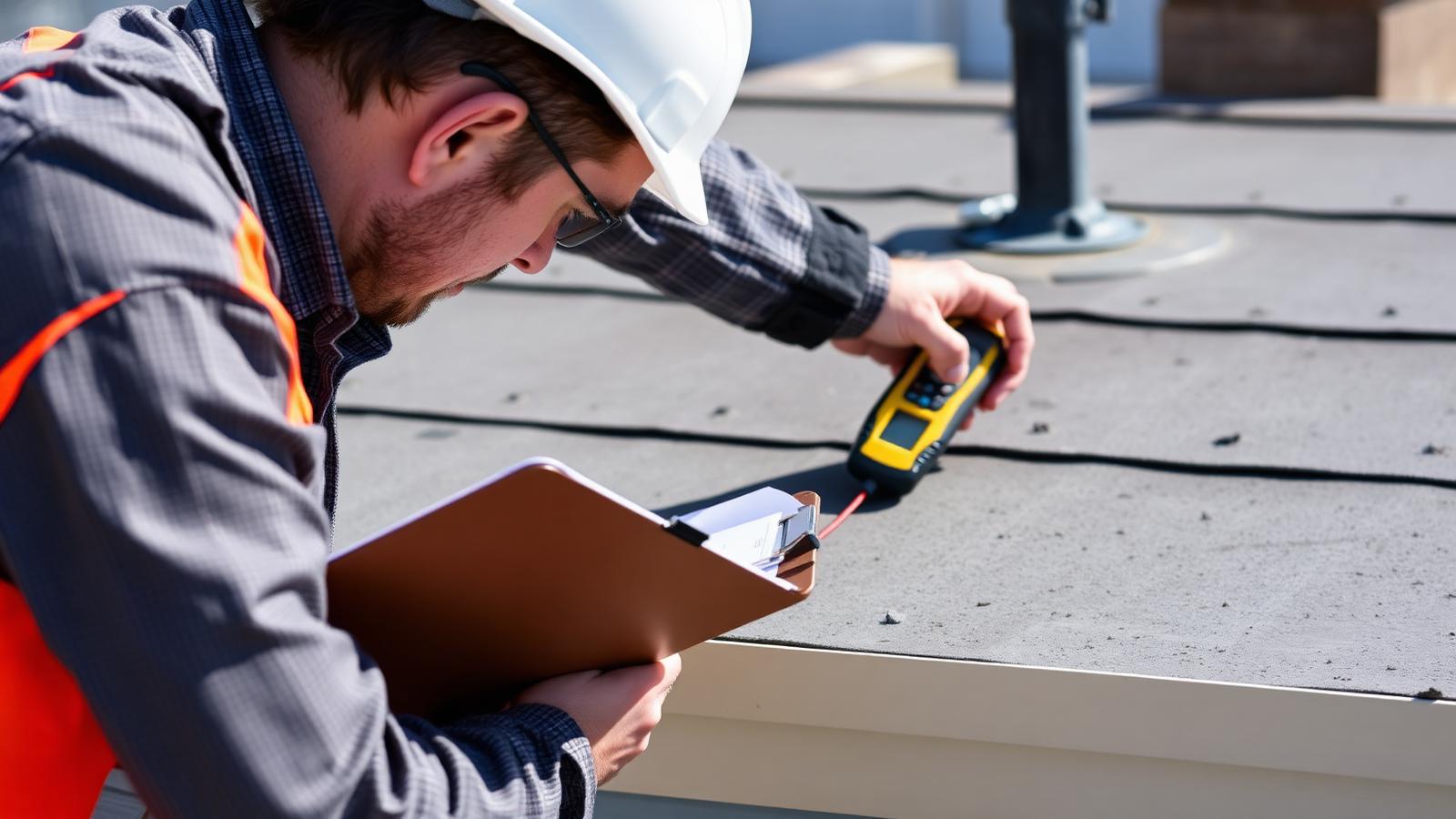
Regular, thorough inspections are the cornerstone of effective flat roof management. For South Florida properties, these should occur at least twice a year – ideally before hurricane season (spring) and after (fall) – and immediately following any significant weather event. Inspections should cover several critical areas:
- Surface Condition: Look for cracks, blisters, punctures, or areas where the membrane appears to be thinning or deteriorated. Pay close attention to areas with heavy foot traffic or near mechanical units.
- Drainage Systems: Clear all drains, scuppers, and gutters of debris. Ensure water flows freely and there are no signs of ponding water on the roof surface more than 48 hours after rain.
- Flashing and Penetrations: Inspect all flashing around vents, pipes, HVAC units, skylights, and parapet walls. These are common points of failure where water can infiltrate.
- Seams and Adhesions: Check for any lifted or separated seams, which can allow water to penetrate beneath the roofing membrane.
- Vegetation and Debris: Remove any accumulated leaves, branches, or other debris that can trap moisture, promote growth, and damage the roof surface.
Documentation is vital. Keep detailed records of all inspections, repairs, and maintenance activities, including dates, observations, and actions taken. This history helps track roof performance and informs future decisions.
Addressing Common Flat Roof Issues in South Florida
Several issues are particularly prevalent for flat roofs in South Florida due to the climate:
- Ponding Water: Standing water not only adds significant weight to the roof structure but also accelerates material degradation and can lead to leaks. Proper slope and effective drainage are crucial. If ponding is persistent, the underlying cause, such as structural deflection or clogged drains, must be addressed.
- UV Degradation: Constant sun exposure breaks down many roofing materials. This often manifests as cracking, chalking, or blistering. Protective coatings or reflective surfaces can significantly mitigate UV damage.
- Mold and Algae Growth: High humidity and moisture create ideal conditions for organic growth. While often cosmetic, heavy growth can trap moisture against the roof surface, leading to material breakdown. Regular cleaning and mildew-resistant coatings can help.
- Hurricane Damage: Wind uplift can peel back membranes, dislodge flashing, and damage rooftop equipment. Impact from flying debris is also a major concern. Robust attachment methods and hurricane-rated materials are essential for new installations and crucial considerations for restorations.
Timely intervention for any of these issues is paramount. Delaying repairs can turn minor problems into extensive, costly damages.
The Role of Roof Restoration in Extending Roof Life
When a flat roof shows signs of aging but is still structurally sound, a full replacement is not always the only option. Commercial roof restoration systems, particularly spray polyurethane foam (SPF) and silicone coatings, offer a cost-effective and highly efficient alternative, especially beneficial in South Florida's climate.
- Spray Polyurethane Foam (SPF) Roofing: SPF systems are spray-applied, creating a seamless, monolithic layer over the existing roof. This eliminates seams, a common point of failure for traditional roofs. SPF provides excellent insulation, which can significantly reduce cooling costs in South Florida's heat. It's also highly durable and can withstand hurricane-force winds when properly applied and maintained.
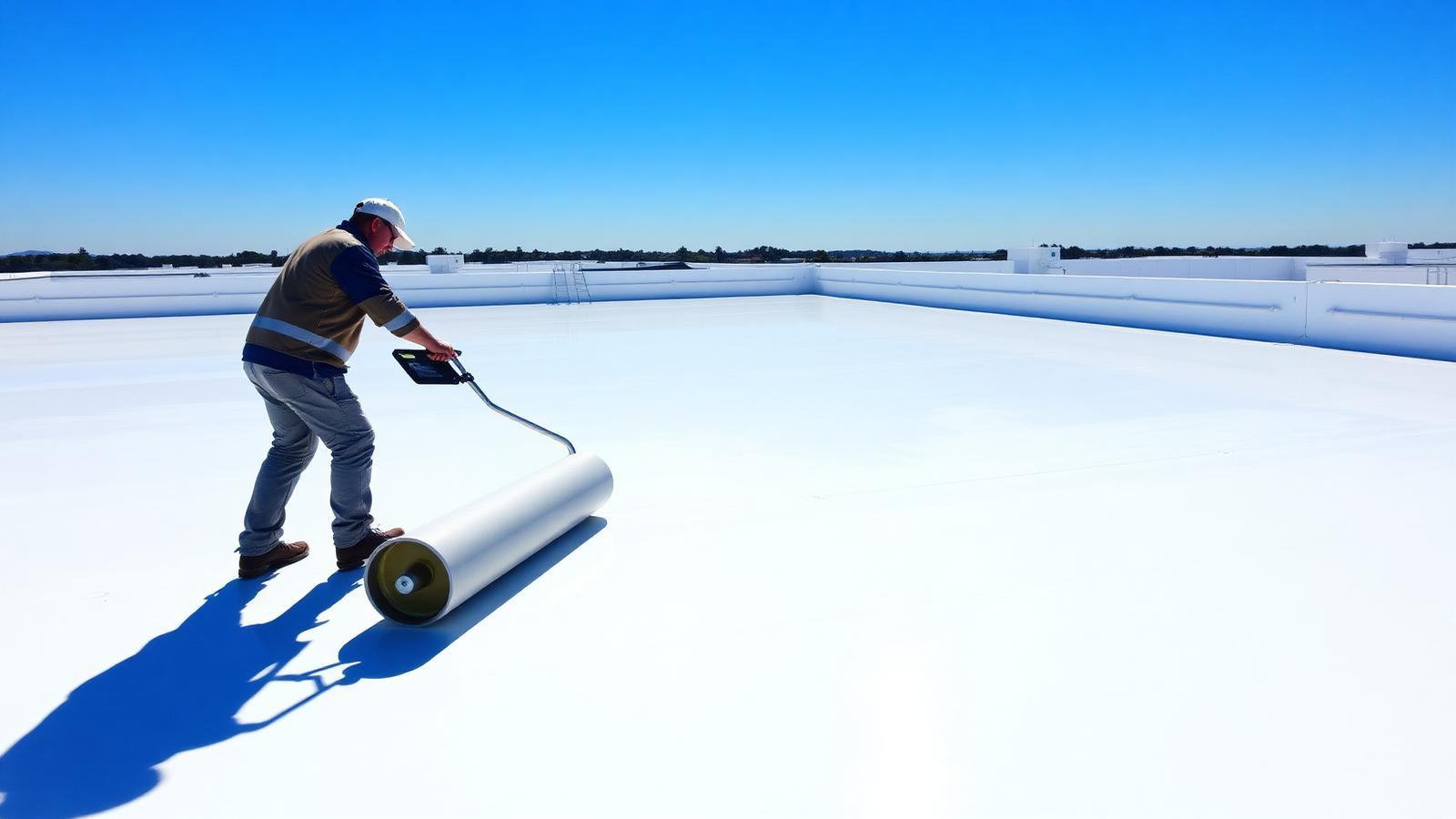
- Silicone Roof Coatings: Silicone coatings are liquid-applied over existing membranes, forming a flexible, durable, and seamless waterproof layer. They are highly reflective, reducing roof surface temperatures and contributing to energy savings. Silicone is also resistant to ponding water and UV degradation, making it ideal for the humid, sunny conditions of South Florida.
Both SPF and silicone systems can extend the life of an existing roof by many years, often with renewable warranties, and can be recoated later to further extend their lifespan. They avoid the disruptive and costly tear-off process associated with full roof replacements, making them an attractive option for busy commercial properties.
Energy Efficiency and Sustainability Considerations
In South Florida, energy efficiency is not just an environmental concern; it's a significant operational cost factor. Flat roofs, especially dark-colored ones, absorb a tremendous amount of solar heat, driving up air conditioning expenses. Reflective roofing materials and systems, like white SPF or silicone coatings, can dramatically lower roof surface temperatures, reducing the heat load on the building and decreasing energy consumption.
Beyond energy savings, choosing restorative systems like SPF and silicone contributes to sustainability by diverting old roofing materials from landfills. These systems often have a lower carbon footprint compared to traditional tear-off and replacement methods. Integrating these sustainable choices into your property management strategy aligns with modern environmental goals and can enhance your property's value.
Preparing Your Commercial Flat Roof for Hurricane Season
South Florida property managers know that hurricane preparedness is non-negotiable. For commercial flat roofs, this involves specific steps:
- Pre-Season Inspection: Conduct a thorough inspection well before hurricane season starts. Address any loose flashing, minor leaks, or compromised seams immediately.
- Drainage Check: Ensure all drains and gutters are completely clear to handle the expected heavy rainfall. Blocked drains can lead to catastrophic ponding and roof collapse during a storm.
- Secure Rooftop Equipment: Confirm that all HVAC units, vents, antennas, and other rooftop equipment are securely fastened and properly braced to resist high winds. Loose equipment can become dangerous projectiles.
- Debris Removal: Clear the roof and surrounding areas of any loose items or debris that could become wind-borne missiles during a storm.
- Emergency Contact Plan: Have a reliable commercial roofing contractor on standby with an emergency response plan for post-storm damage assessment and temporary repairs.
Investing in a robust, hurricane-resistant roofing system, such as a properly installed SPF or silicone coating, provides an additional layer of protection against the severe weather events common to the region.
Effective flat roof management in South Florida is an ongoing commitment. By understanding the unique climate challenges, implementing a rigorous inspection and maintenance schedule, and considering advanced restoration solutions like SPF and silicone, property managers can protect their assets, enhance energy efficiency, and ensure the long-term integrity of their commercial properties.
Is your commercial flat roof ready for South Florida's demanding climate? Don't wait for a leak or a storm to assess its condition. Contact Roof King today for a free, no-obligation roof assessment. Our experts specialize in SPF and silicone roof restoration systems designed to protect and extend the life of commercial roofs throughout South Florida.
Related reading
Free assessment
Free Commercial Roof Assessment
Licensed & insured Florida commercial roofing. Spray foam and silicone restoration across South Florida — no pressure, no cost.