Commercial property owners and managers in South Florida understand the relentless challenge posed by the region's intense sun. The heat absorbed by a commercial roof directly impacts indoor temperatures, HVAC system workload, and ultimately, operational costs. Unmanaged roof heat can lead to premature roof degradation, uncomfortable indoor environments, and significant energy waste. Effective commercial roof heat mitigation is not just about comfort; it's a critical component of long-term building health and financial efficiency in South Florida.
This article will delve into how modern roofing solutions, specifically Spray Polyurethane Foam (SPF) and Silicone Roof Coatings, offer robust strategies for combating roof heat absorption, leading to substantial benefits for your commercial property.
South Florida's climate is characterized by high temperatures and abundant sunshine throughout much of the year. For a commercial roof, this translates into constant exposure to solar radiation. Traditional dark-colored roofing materials, such as black EPDM or modified bitumen, are highly absorptive. They soak up a significant portion of the sun's energy, converting it into heat that then transfers into the building below.
This heat transfer creates a phenomenon known as the "heat island effect" on the roof surface itself, driving surface temperatures well above ambient air temperatures. Inside the building, this increased heat load forces HVAC systems to work harder and longer to maintain comfortable interior conditions. The result is higher electricity bills, increased wear and tear on cooling equipment, and a larger carbon footprint for the property.
Beyond energy consumption, prolonged exposure to high temperatures can accelerate the aging process of many roofing materials. Thermal expansion and contraction cycles, driven by significant temperature swings between day and night, can stress seams, flashings, and membranes, leading to cracks, leaks, and a shortened roof lifespan. This makes proactive heat mitigation not just an energy-saving measure, but a crucial aspect of roof preservation.
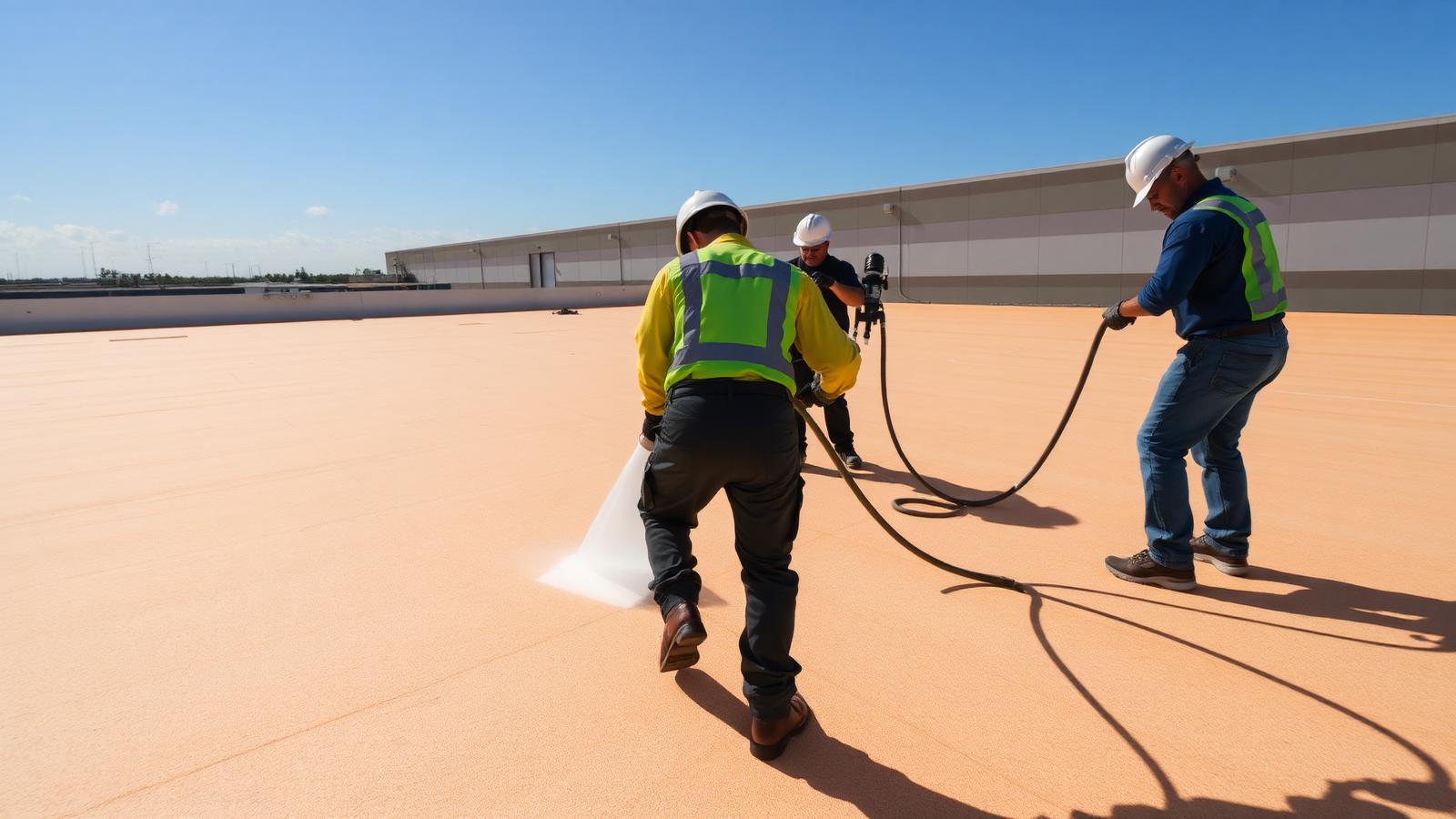
Spray Polyurethane Foam (SPF) roofing systems offer a two-pronged approach to heat mitigation: superior insulation and a highly reflective topcoat. When applied, SPF creates a monolithic, seamless layer over the existing roof substrate. This foam layer is an exceptional insulator, boasting a high R-value per inch, meaning it resists heat flow extremely well.
By creating a thermal barrier, SPF significantly reduces the amount of solar heat that penetrates the building envelope. This insulation keeps the heat out during the day and helps to retain conditioned air inside, reducing the workload on your HVAC system. The seamless nature of SPF also eliminates thermal bridging, which are pathways for heat to escape or enter through gaps and joints common in other roofing systems.
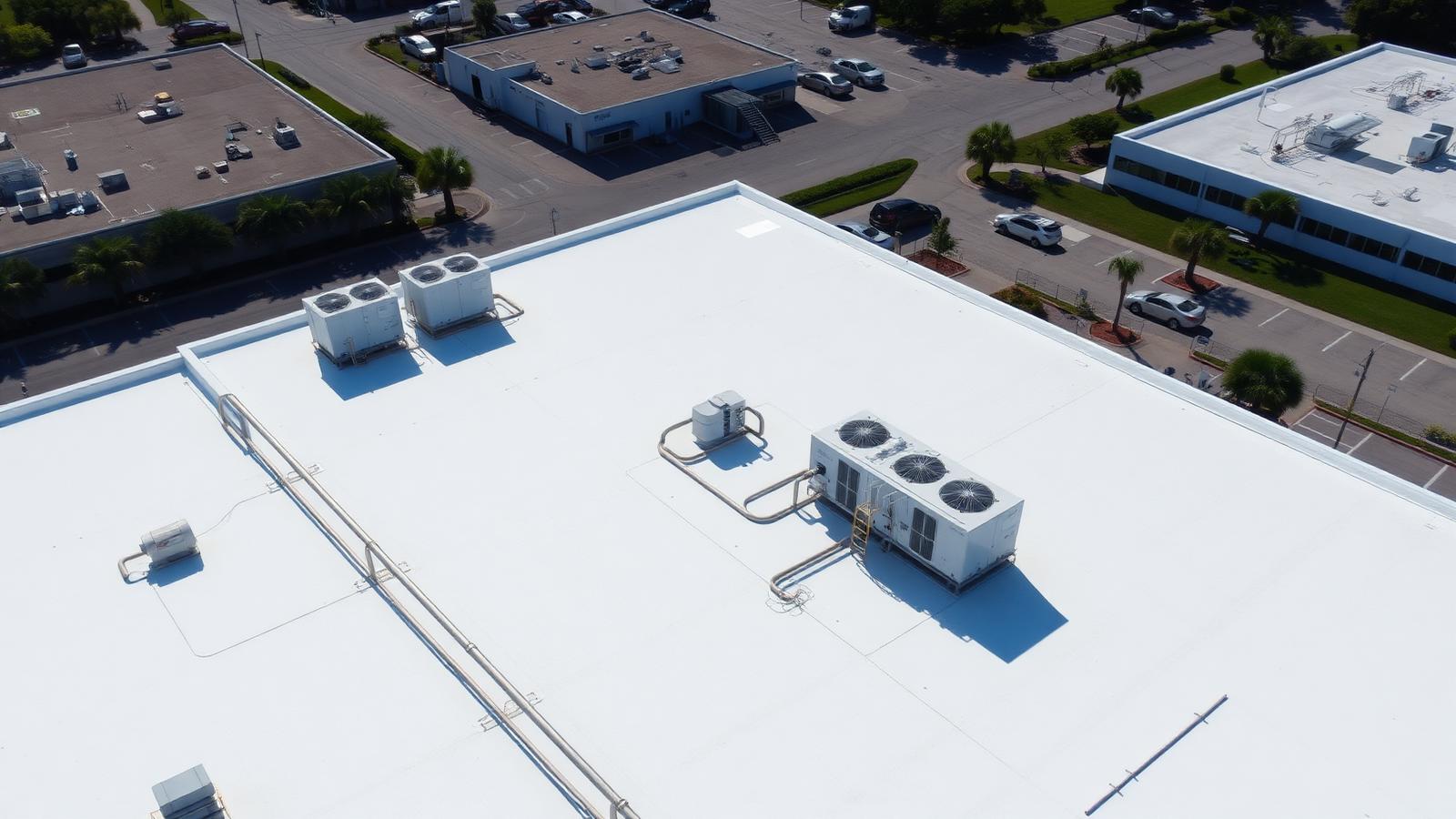
Following the SPF application, a protective elastomeric topcoat, typically silicone or acrylic, is applied. These coatings are usually light in color, often white, which makes them highly reflective. Instead of absorbing sunlight, they reflect a large percentage of solar radiation back into the atmosphere. This reflectivity dramatically lowers the surface temperature of the roof itself, further preventing heat transfer into the building. The combination of high insulation and high reflectivity makes SPF an incredibly effective cool roof system.
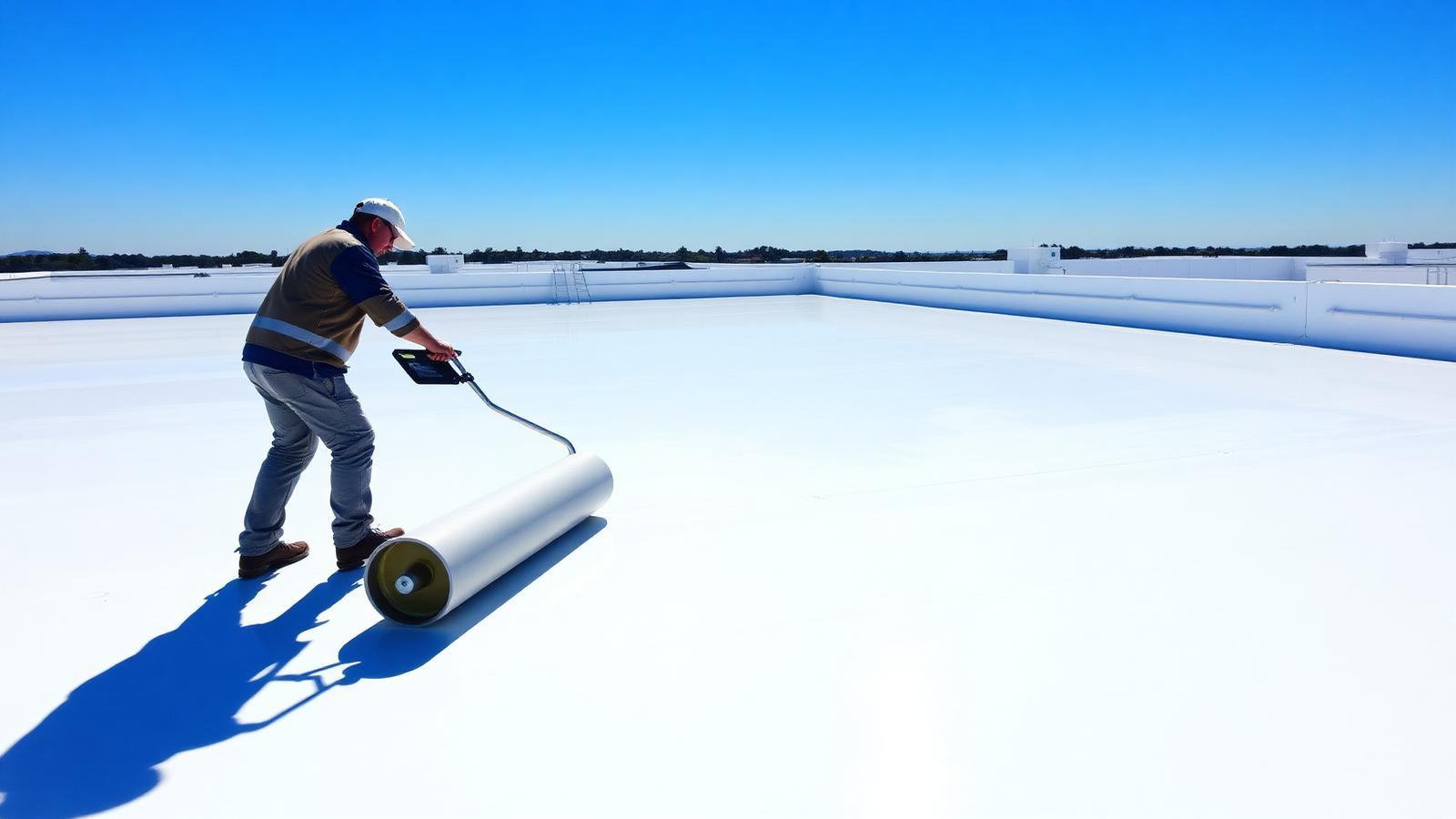
Silicone roof coatings are another potent solution for mitigating commercial roof heat, often used in roof restoration projects. Unlike SPF, which adds significant insulation, silicone's primary strength lies in its exceptional reflectivity and durability. When applied over an existing, structurally sound roof membrane, a silicone coating creates a seamless, watertight layer that is highly resistant to UV degradation and ponding water.
What makes silicone particularly effective for heat mitigation is its natural white color and high solar reflectance index (SRI). This means it reflects a large percentage of the sun's rays, significantly reducing the roof's surface temperature. A cooler roof surface means less heat transfers into the building, directly translating to lower cooling costs and a more comfortable interior environment.
Silicone coatings also maintain their reflectivity over time better than many other cool roof options. They are resistant to chalking, staining, and mildew, which can diminish reflectivity in other materials. This long-term performance ensures that the energy-saving benefits are sustained throughout the coating's lifespan. For commercial properties looking for a cost-effective way to extend their roof's life while drastically improving energy efficiency, silicone roof restoration is an excellent choice.
While energy savings are a primary driver for implementing heat-mitigating roofing solutions, SPF and silicone offer a range of additional benefits crucial for commercial property owners in South Florida:
- Extended Roof Lifespan: By reducing thermal shock and UV degradation, these systems protect the underlying roof structure, significantly extending its service life and delaying the need for costly tear-offs and replacements.
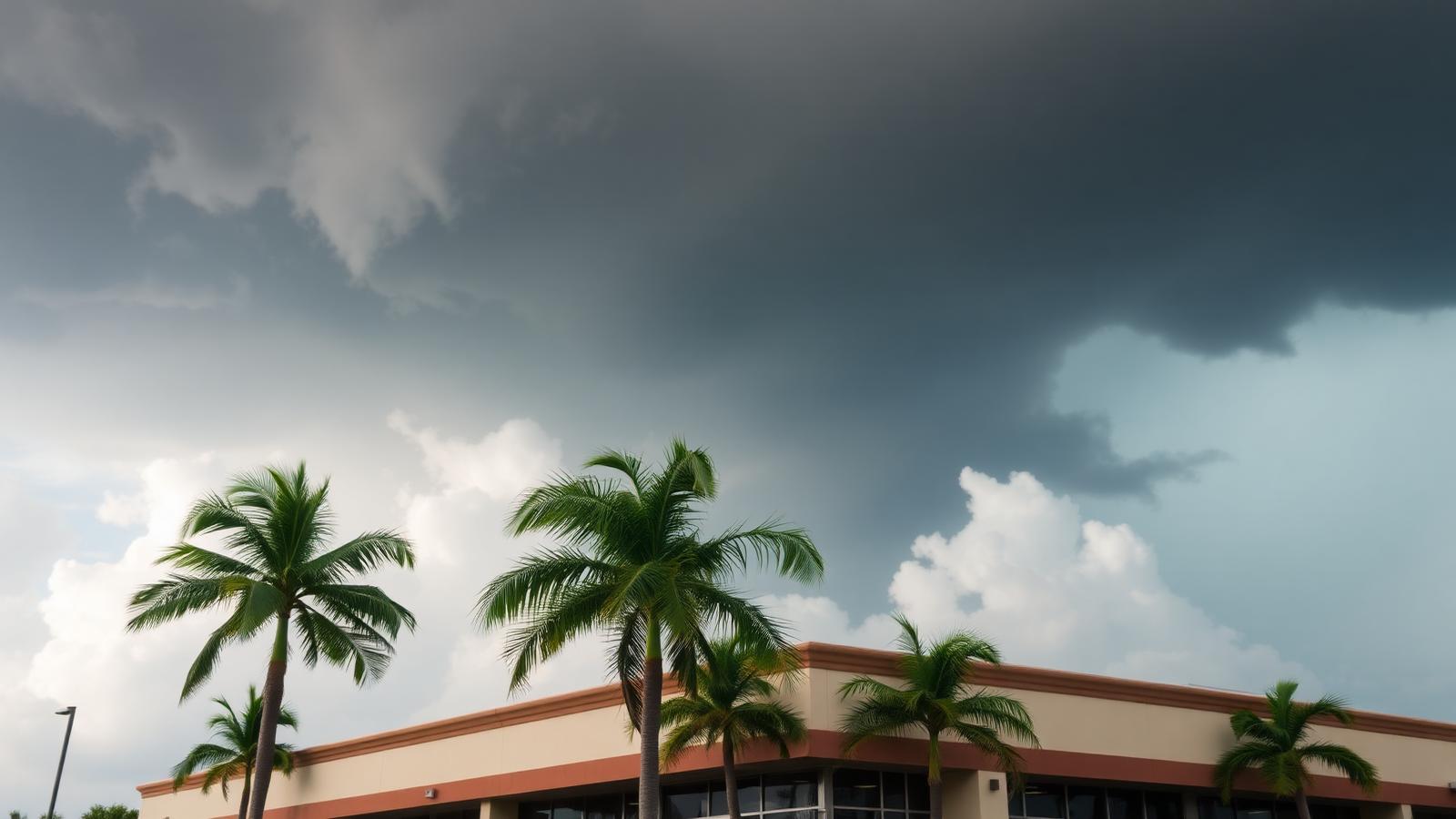
- Seamless, Watertight Protection: Both SPF and silicone create a monolithic membrane that eliminates seams, the most common point of failure for leaks. This provides superior waterproofing, a critical advantage during South Florida's rainy season and hurricane events.
- Reduced Maintenance: These systems are durable and require minimal maintenance compared to traditional roofing. Regular inspections and minor repairs can keep them performing optimally for decades.
- Sustainability: By diverting old roofing materials from landfills (as restoration avoids tear-offs) and reducing energy consumption, SPF and silicone contribute to a more sustainable building operation.
- Improved Occupant Comfort: A cooler building interior leads to a more comfortable environment for employees, tenants, or customers, potentially increasing productivity and satisfaction.
- Potential for Tax Incentives: Depending on current regulations, some energy-efficient roofing improvements may qualify for tax credits or utility rebates.
Deciding between an SPF system and a silicone roof coating depends on several factors specific to your commercial property. An SPF system is ideal when significant insulation is needed, or if the existing roof deck requires a complete overhaul to create a seamless, insulated barrier. It's often chosen for new construction or major reroofing projects where maximum thermal performance is desired.
Silicone roof coatings, on the other hand, are an excellent choice for roof restoration. If your existing roof is structurally sound but showing signs of wear, leaks, or poor energy performance, a silicone coating can revive it. It's a more economical option than a full tear-off and replacement, offering excellent reflectivity and waterproofing without the added insulation R-value of SPF. Both systems offer exceptional UV resistance and are well-suited to the harsh South Florida climate.
A professional roof assessment is essential to determine the most appropriate and cost-effective solution for your specific building. Factors such as the current roof's condition, desired R-value, budget, and long-term goals will all play a role in the recommendation.
Mitigating commercial roof heat is a strategic imperative for property owners and managers across South Florida. The intense solar exposure in our region demands roofing solutions that actively combat heat absorption and transfer. Both Spray Polyurethane Foam (SPF) and Silicone Roof Coatings provide highly effective, durable, and energy-efficient answers to this challenge.
By investing in these advanced roofing systems, you can achieve substantial energy savings, extend your roof's lifespan, enhance building comfort, and contribute to a more sustainable operation. Don't let your commercial roof be a source of constant heat and expense. Explore the benefits of modern cool roof technology.
Ready to learn how SPF or silicone can transform your commercial property's energy efficiency and protect your investment? Contact Roof King today to request a free, no-obligation roof assessment. Our experts will evaluate your current roof and provide a tailored solution to mitigate heat and maximize performance.
Free assessment
Free Commercial Roof Assessment
Licensed & insured Florida commercial roofing. Spray foam and silicone restoration across South Florida — no pressure, no cost.