Understanding SPF Roofing: The Science Behind Energy Savings in Florida
Commercial property owners in South Florida face unique challenges: intense sun exposure, high humidity, and the constant demand for efficient cooling. Spray Polyurethane Foam (SPF) roofing systems offer a scientifically sound solution for addressing these issues, primarily through their exceptional thermal performance and seamless application. This article delves into the material science that makes SPF a leading choice for energy-efficient commercial roofs.
The Chemistry of SPF: From Liquid to Solid
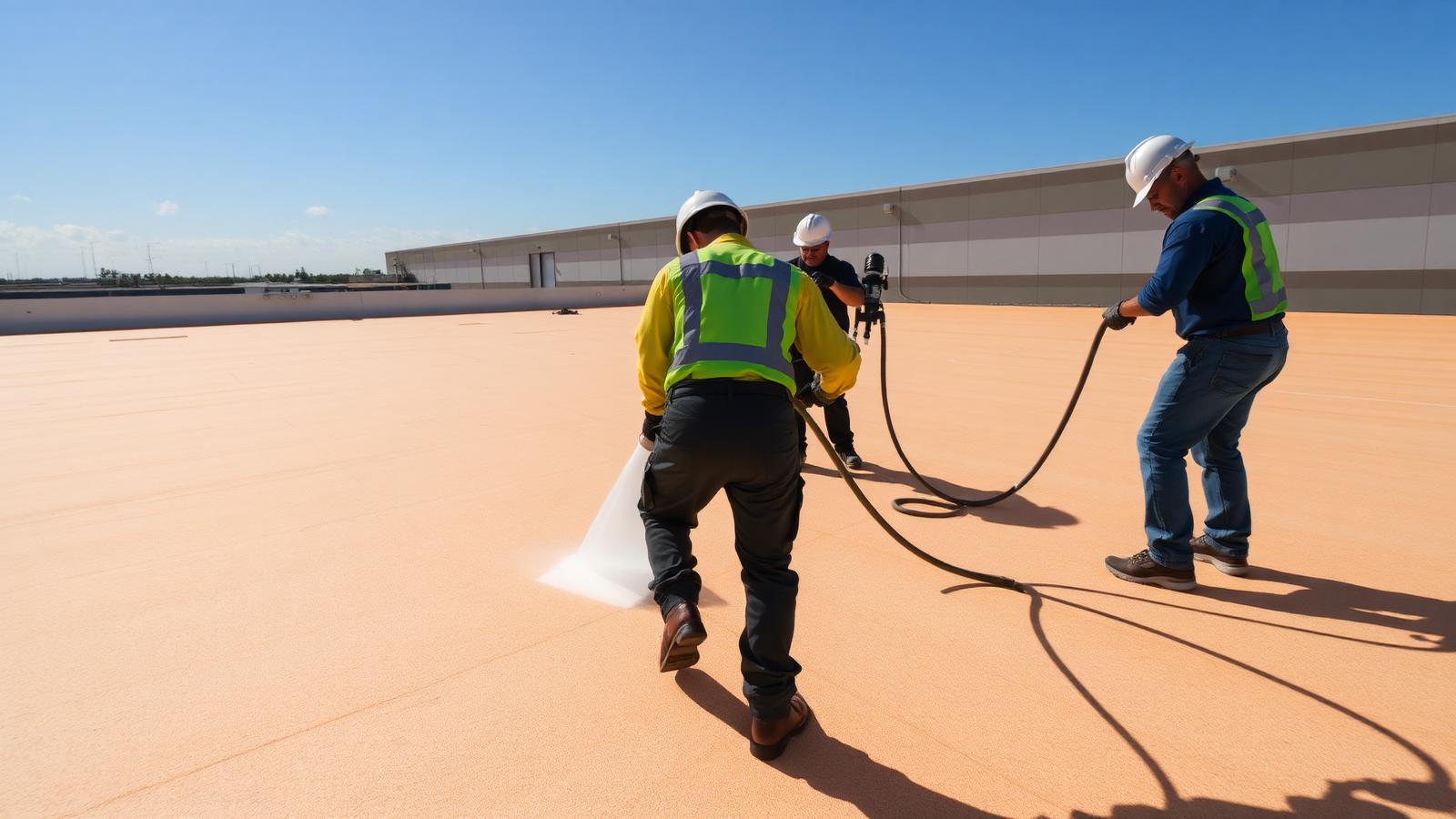
SPF roofing begins as two liquid components: an isocyanate and a polyol blend. These liquids are stored in separate drums and pumped through a proportioning unit, where they are heated and mixed under high pressure. As they exit the spray gun, they undergo a rapid chemical reaction. This reaction causes the mixture to expand significantly, typically 20 to 30 times its liquid volume, and then cure into a rigid, closed-cell foam.
This on-site manufacturing process is crucial. It allows the SPF to conform to virtually any roof shape, filling cracks, gaps, and irregularities. The resulting monolithic layer, free of seams, is a key factor in its waterproofing capabilities and thermal efficiency. The rapid curing time also means minimal disruption during installation, a significant advantage for active commercial operations.
Closed-Cell Structure: The Core of SPF's Thermal Resistance
The most critical scientific aspect of SPF for energy savings is its closed-cell structure. Unlike open-cell foams, where air can move freely between cells, closed-cell SPF consists of millions of tiny, independent cells that are tightly packed together. Each of these cells traps an inert gas, which has a much lower thermal conductivity than air.
This trapped gas is the primary reason for SPF's high R-value per inch. The R-value is a measure of thermal resistance; the higher the R-value, the better the material insulates. SPF typically boasts an R-value of 6.0 to 7.0 per inch, making it one of the most effective insulation materials available. This superior insulation drastically reduces heat transfer through the roof, keeping the building cooler in Florida's intense heat and reducing the workload on HVAC systems.
How SPF Reduces Heat Transfer:
- Conduction: The closed cells and trapped inert gas minimize heat transfer through direct contact within the material.
- Convection: The rigid, seamless nature of SPF prevents air movement within the insulation layer, eliminating convective heat loss or gain.
- Radiation: While SPF itself isn't inherently reflective, the top coat applied over it (often a reflective silicone or acrylic coating) significantly reduces solar radiation absorption.
The Role of Adhesion and Substrate Interaction
Beyond its thermal properties, the strong adhesion of SPF to various substrates contributes to its overall performance. When applied correctly, SPF bonds tenaciously to existing roof materials such as concrete, metal, modified bitumen, and built-up roofs. This excellent adhesion means there's no need for fasteners, which can create thermal bridges and potential leak points in other roofing systems.
The chemical bond created between the SPF and the substrate ensures a continuous, integrated roofing system. This prevents moisture from migrating laterally under the roofing material, a common issue with mechanically fastened systems where punctures can allow water to spread unnoticed. The strong bond also enhances the roof's wind uplift resistance, a critical consideration for hurricane-prone areas like South Florida.
Protective Top Coats: Reflectivity and Durability
While SPF itself provides exceptional insulation, it requires a protective top coat. These coatings, typically silicone or acrylic, serve several vital functions:
- UV Protection: SPF is susceptible to degradation from ultraviolet (UV) radiation. The top coat shields the foam from the sun's harmful rays, ensuring its long-term integrity.
- Weatherproofing: The coating adds another layer of waterproofing, protecting the SPF from rain, hail, and humidity.
- Reflectivity: High-performance top coats are often highly reflective, typically white or light-colored. This reflectivity is measured by the Solar Reflectance Index (SRI), which quantifies a surface's ability to reflect solar energy and emit absorbed heat. High SRI coatings significantly reduce the roof surface temperature, further contributing to energy savings by reflecting a large portion of the sun's energy before it can be absorbed by the SPF layer.
This combination of inherent insulation from the SPF and external reflectivity from the top coat creates a powerful barrier against heat gain, leading to substantial reductions in cooling costs for commercial buildings in South Florida.
Longevity and Maintenance Science
A properly installed SPF roof system is remarkably durable. The rigid foam structure resists impact damage from hail and provides a stable walking surface. Its seamless nature eliminates the most common points of failure in traditional roofing systems – the seams and penetrations.
Maintenance for an SPF roof typically involves periodic inspections and re-coating. As the protective top coat ages and weathers, its reflectivity and protective qualities may diminish. Re-coating the roof extends its lifespan indefinitely, often at a fraction of the cost of a full roof replacement. This restorative approach minimizes waste and prolongs the service life of the entire roofing system, aligning with sustainable building practices.
Real-World Impact on South Florida Commercial Buildings
The scientific principles behind SPF roofing translate directly into tangible benefits for commercial property owners in South Florida. The high R-value reduces the heat load on buildings, leading to lower air conditioning usage and significant monthly energy bill savings. The seamless, self-flashing nature of SPF minimizes leak potential, protecting valuable assets and preventing costly interior damage. Furthermore, the ability to restore and re-coat the system provides a long-term, cost-effective roofing solution that can last for decades.
Understanding the material science of SPF roofing highlights why it is a superior choice for energy efficiency, durability, and cost-effectiveness in demanding climates. Its unique properties address the specific needs of commercial buildings, offering a reliable path to reduced operating expenses and enhanced property value.
Is your commercial roof ready for a scientific upgrade? Contact Roof King today for a free, no-obligation roof assessment and discover how SPF roofing can benefit your South Florida property.
Free assessment
Free Commercial Roof Assessment
Licensed & insured Florida commercial roofing. Spray foam and silicone restoration across South Florida — no pressure, no cost.