Commercial property managers in South Florida understand the unique challenges of maintaining flat roofs. The region's intense sun, heavy rainfall, high humidity, and hurricane season create a perfect storm for roof degradation and, ultimately, water damage. Ignoring these factors can lead to expensive repairs, tenant dissatisfaction, and significant operational disruptions.
Proactive flat roof management is critical for South Florida property managers to safeguard their assets from water damage and extend the lifespan of their roofing systems. This means moving beyond reactive repairs and implementing a strategic approach to inspection, maintenance, and timely restoration.
The South Florida Climate: A Roof's Toughest Adversary
South Florida's climate is notoriously harsh on commercial flat roofs. High temperatures cause materials to expand and contract, leading to stress fractures and membrane fatigue. Constant UV exposure accelerates the breakdown of roofing materials, making them brittle and prone to cracking. Then there's the rain – frequent torrential downpours test every seam and penetration, while humidity encourages mold and mildew growth beneath compromised surfaces.
Furthermore, hurricane season brings powerful winds that can lift or tear roofing components, and storm surges that can overwhelm drainage systems, creating standing water issues. These environmental factors combine to make water intrusion a persistent threat for flat roofs in the region. Without a robust strategy, even minor issues can quickly escalate into major leaks and extensive interior damage.
Understanding the Common Weak Points of Flat Roofs
Flat roofs, by design, are more susceptible to water ponding than sloped roofs if drainage is not perfect. This standing water accelerates material degradation and puts constant pressure on seams and flashings. Common areas where leaks originate include:
- Seams and laps: These are inherent weak points where roofing materials join. UV exposure and thermal cycling can cause them to separate or crack.
- Penetrations: Skylights, HVAC units, pipes, and vents create openings in the roof membrane. Improperly sealed or maintained flashing around these penetrations is a frequent source of leaks.
- Parapet walls and coping: The interface between the roof and vertical walls is another critical area. Cracks in coping or deteriorated flashing can allow water to enter the building.
- Drainage systems: Clogged drains, scuppers, or gutters can lead to water accumulation, overwhelming the roof's ability to shed water and increasing hydrostatic pressure.
- Blisters and delaminations: Over time, moisture trapped within the roof assembly or adhesive failures can cause the membrane to lift and form blisters, which are vulnerable to rupture.
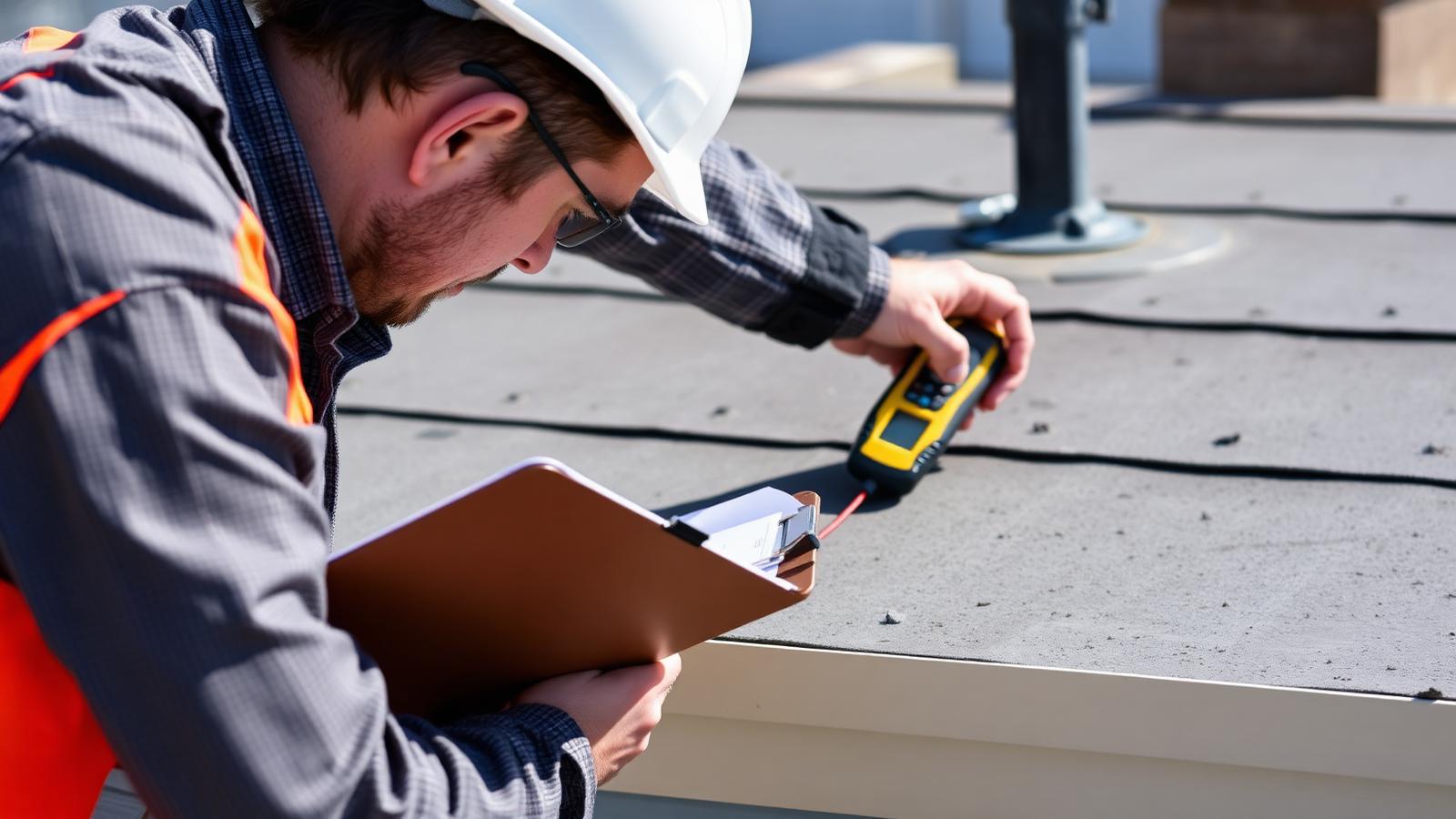
Regular, detailed inspections are necessary to identify these vulnerabilities before they become active leaks. Training your maintenance staff or hiring a professional roofing contractor for these inspections is a wise investment.
The Power of Proactive Inspections and Maintenance
A structured inspection and maintenance program is the cornerstone of effective flat roof management in South Florida. This isn't just about annual check-ups; it requires vigilance throughout the year, especially before and after major weather events.
Key components of a proactive program include:
- Semi-annual professional inspections: A qualified roofing contractor can identify subtle signs of wear, potential weaknesses, and areas requiring attention that might be missed by an untrained eye. They can also assess the overall condition and remaining lifespan of the roof system.
- Post-storm assessments: After heavy rains or high winds, inspect the roof for displaced debris, signs of ponding, or damage to the membrane, flashing, and drains.
- Debris removal: Regularly clear leaves, branches, and other debris from the roof surface and gutters to prevent clogged drains and standing water.
- Drainage checks: Ensure all drains, scuppers, and downspouts are clear and functioning correctly. Address any areas where water consistently pools.
- Sealant and flashing checks: Inspect all sealants around penetrations, seams, and parapet walls. Reapply or repair as needed before they fail.
- Minor repairs: Address small cracks, punctures, or loose seams promptly. Early intervention prevents these minor issues from escalating into major leaks.
Documenting all inspections and repairs creates a valuable history of your roof, aiding in future decision-making and budgeting. This systematic approach significantly reduces the likelihood of unexpected and costly water damage.
When to Consider Roof Restoration: SPF and Silicone Solutions
Many commercial flat roofs in South Florida are not at the end of their life but are showing signs of age and wear. This is often the ideal time to consider a roof restoration system rather than a full tear-off and replacement. Spray Polyurethane Foam (SPF) and silicone roof coatings are excellent choices for restoration, particularly in this climate.
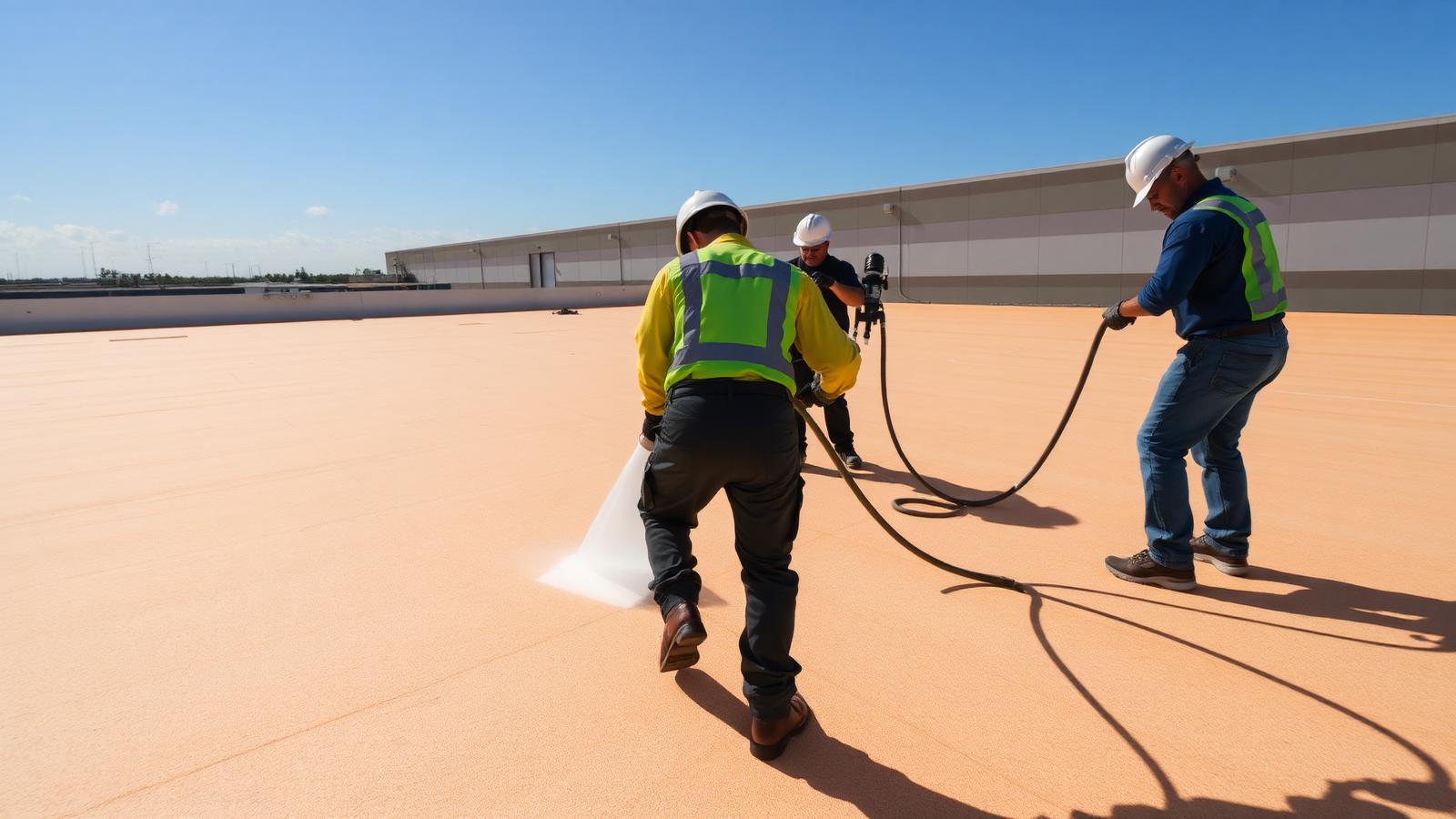
SPF Roofing: This system involves spraying a seamless layer of foam directly onto the existing roof, followed by a protective topcoat (often silicone or acrylic). SPF offers several benefits:
- Seamless, monolithic barrier: Eliminates seams, a common source of leaks, providing exceptional waterproofing.
- Superior insulation: Reduces heat transfer, leading to significant energy savings on cooling costs in South Florida's hot climate.
- Lightweight: Adds minimal load to the existing structure.
- Durable: Resists ponding water and UV degradation when properly coated.
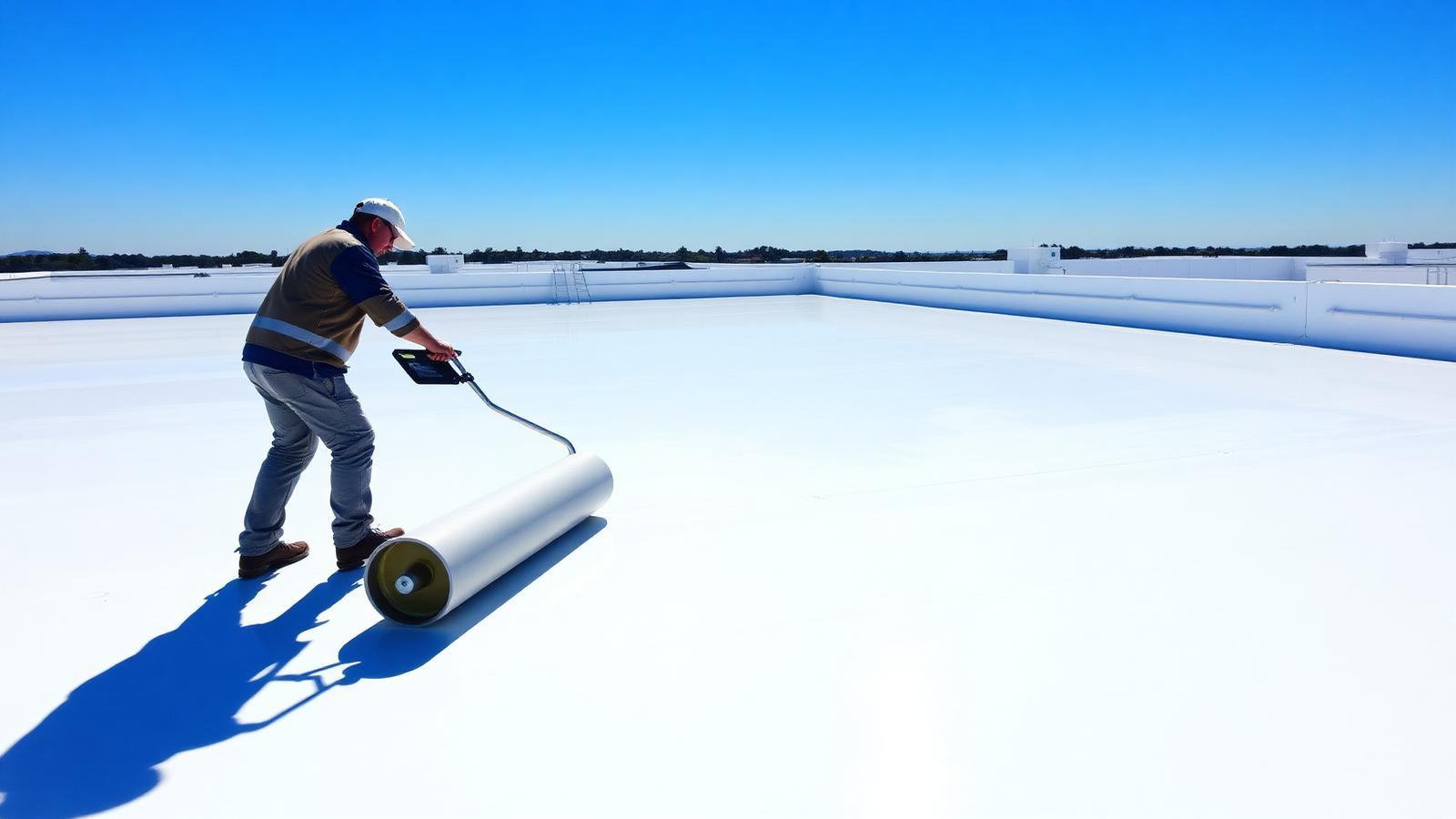
Silicone Roof Coatings: These are fluid-applied systems that create a seamless, waterproof membrane over an existing roof. They are highly reflective and durable:
- Excellent waterproofing: Forms a watertight seal over the entire roof surface, encapsulating existing penetrations and seams.
- High reflectivity: Reflects a significant portion of the sun's UV rays, reducing roof surface temperature and lowering energy consumption.
- Ponding water resistance: Many silicone coatings are specifically formulated to withstand continuous ponding water without degradation.
- Cost-effective: Extends the life of the existing roof without the disruption and expense of a tear-off.
Both SPF and silicone systems are excellent restoration options that can significantly extend the life of your commercial flat roof, providing a seamless, durable, and energy-efficient barrier against South Florida's challenging weather. They can often be applied directly over existing TPO, EPDM, modified bitumen, or metal roofs, minimizing waste and disruption.
The Long-Term Benefits of Strategic Roof Management
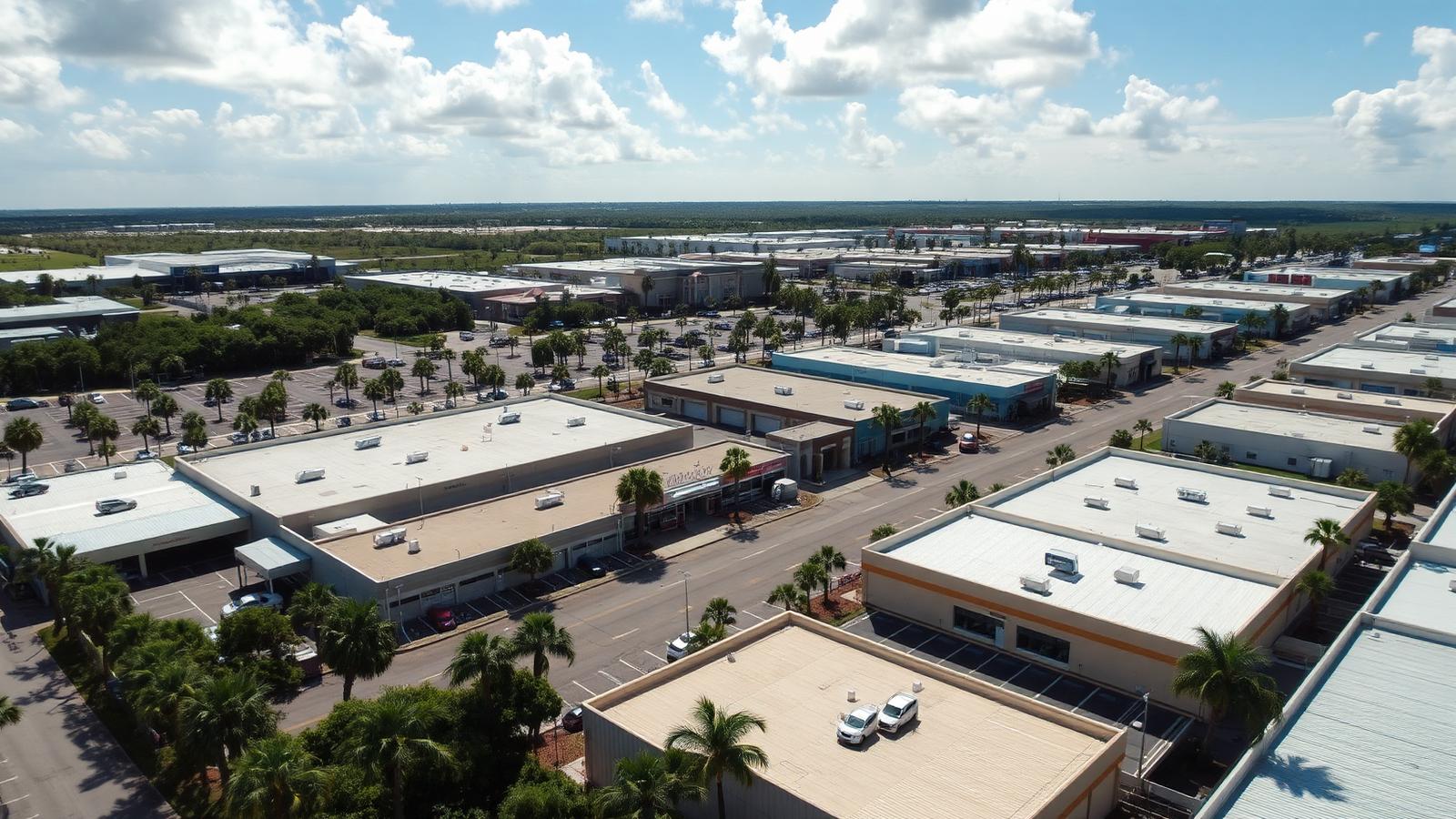
Implementing a comprehensive flat roof management strategy, including proactive inspections, routine maintenance, and timely restoration with systems like SPF or silicone, yields substantial long-term benefits for commercial property managers.
Firstly, it prevents costly water damage, which can range from minor interior repairs to structural damage, mold remediation, and business interruption. Secondly, it extends the lifespan of your roof, delaying the need for expensive full replacements and optimizing your capital expenditures. Thirdly, energy-efficient restoration solutions like SPF and reflective silicone coatings can lead to significant energy savings, improving your property's operating budget.
Moreover, a well-maintained roof enhances the overall value and appeal of your property, contributing to tenant satisfaction and retention. It also demonstrates due diligence, which can be important for insurance purposes and property valuations. Investing in your roof is investing in the longevity and profitability of your commercial asset.
Don't wait for a leak to become a crisis. Protect your investment with a strategic approach to commercial flat roof management. We invite South Florida property managers to request a free, no-obligation roof assessment from Roof King. Our experts can help you understand the current condition of your roof and recommend the most effective solutions to prevent water damage and extend its life.
Related reading
Free assessment
Free Commercial Roof Assessment
Licensed & insured Florida commercial roofing. Spray foam and silicone restoration across South Florida — no pressure, no cost.