South Florida's commercial buildings endure a relentless combination of intense sun, high humidity, heavy rainfall, and the constant threat of tropical storms and hurricanes. These environmental factors significantly accelerate roof degradation, leading to frequent repairs, high energy bills, and premature roof replacement.
Spray polyurethane foam (SPF) roof restoration offers a robust, seamless, and energy-efficient solution specifically engineered to combat these challenges, providing long-term protection and value for commercial property owners in the region.
Understanding the South Florida Roofing Climate
The climate in South Florida is characterized by several key factors that heavily influence roofing performance. Extreme UV radiation from the sun constantly degrades traditional roofing materials, causing them to crack, blister, and lose elasticity. High humidity promotes mold and mildew growth, and can also lead to moisture infiltration if the roof assembly is compromised. Furthermore, torrential downpours test the watertight integrity of any roof, and the region's hurricane season brings high winds and flying debris, which can cause catastrophic damage.
Traditional roofing systems often struggle under this constant assault. Seams, fasteners, and penetrations become weak points, leading to leaks and the need for frequent, costly repairs. The cumulative effect of these stressors shortens the lifespan of many conventional roofs, forcing property managers to consider full replacement far sooner than anticipated.
What is SPF Roof Restoration?
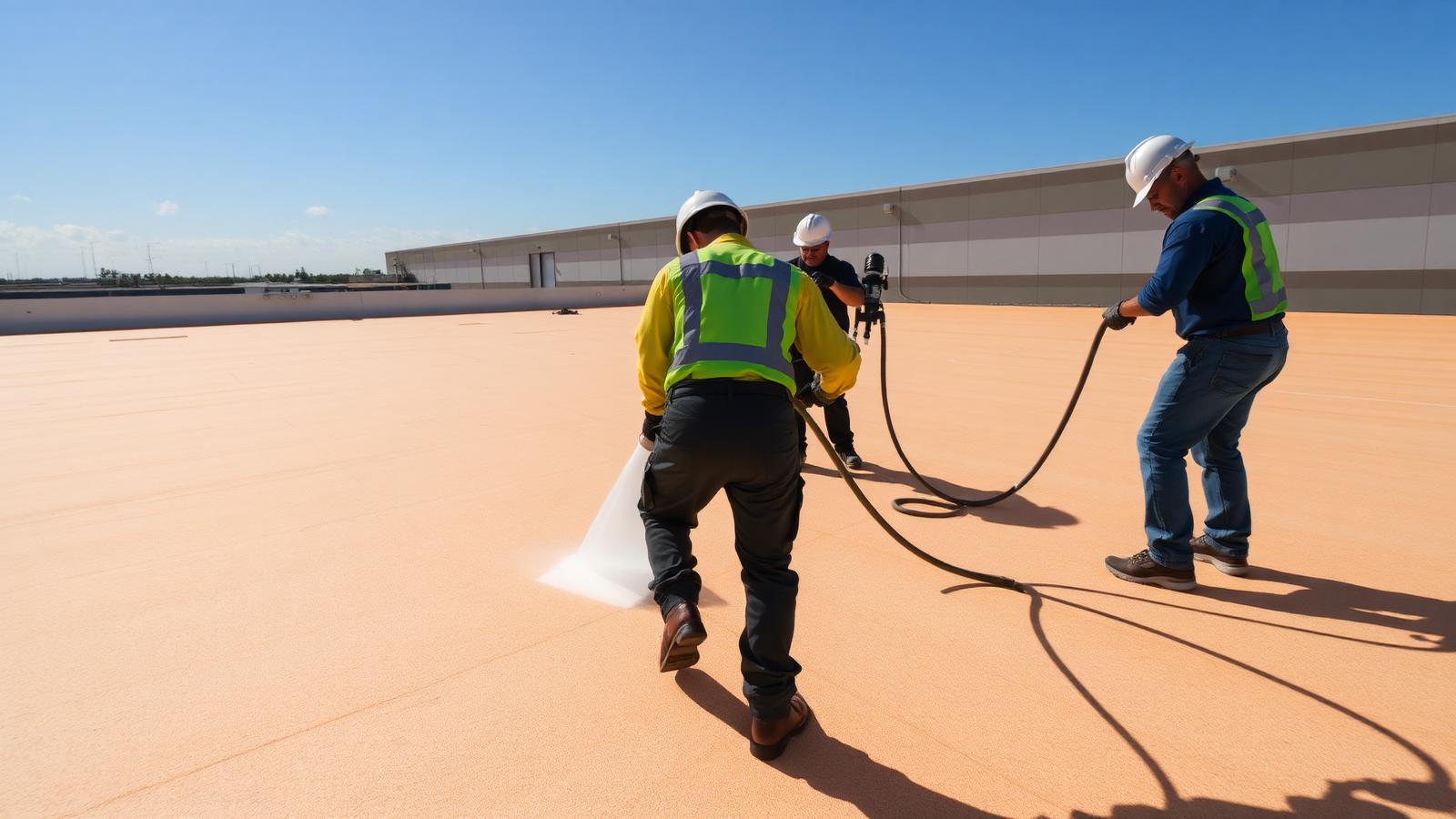
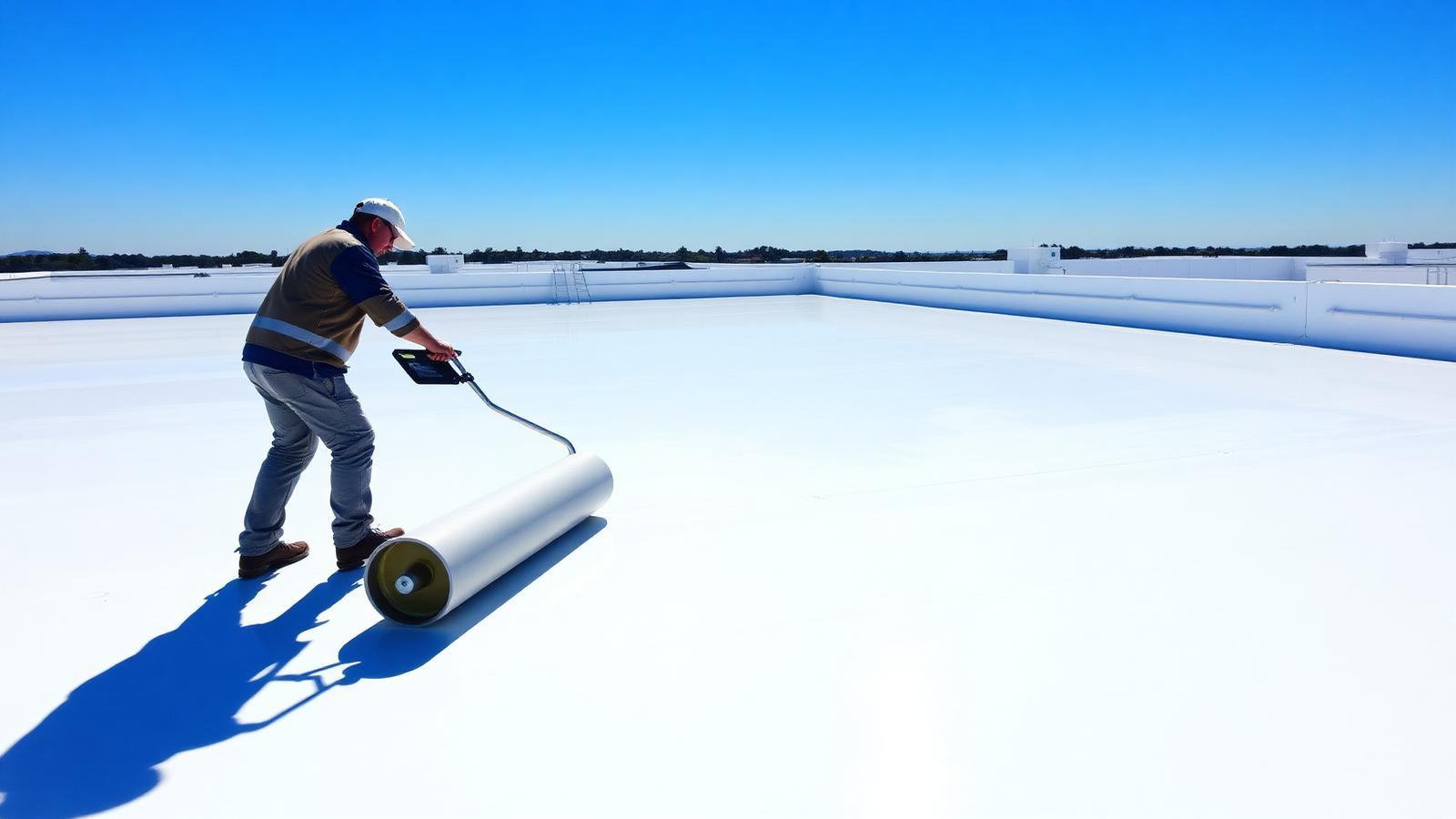
SPF roof restoration involves applying a liquid spray polyurethane foam directly over an existing, structurally sound roof. This foam expands to create a monolithic, seamless, and self-flashing layer that adheres tightly to the substrate. Once the foam cures, it is then coated with a protective elastomeric finish, typically silicone, which provides UV protection, waterproofing, and reflectivity.
This process is distinct from a full roof replacement. Instead of tearing off the old roof, SPF is applied directly, minimizing waste, disruption, and often, cost. It's a restorative approach that upgrades the existing system without the extensive labor and material disposal associated with a complete tear-off.
Superior Sealing and Waterproofing for South Florida
One of SPF's most significant advantages in South Florida is its seamless nature. Traditional roofing systems, such as modified bitumen or TPO, rely on seams and laps to create a waterproof barrier. Over time, these seams can delaminate, crack, or become compromised due to thermal expansion and contraction, especially in a climate with wide temperature swings between day and night, or hot and rainy seasons.
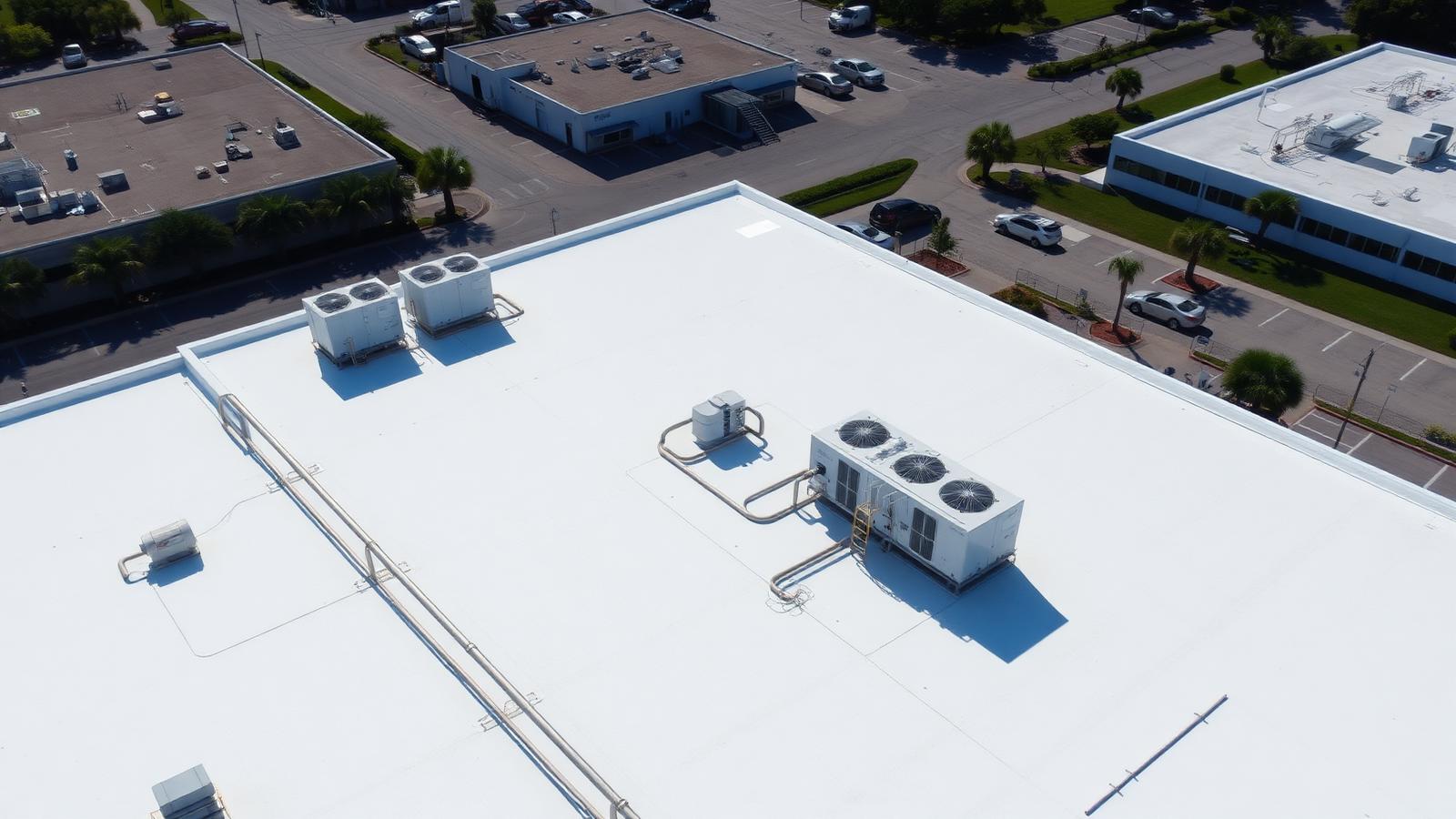
SPF, by contrast, creates a single, continuous layer over the entire roof surface, including around penetrations like HVAC units, vents, and skylights. This eliminates the vast majority of potential leak points inherent in seamed systems. The foam also conforms to irregular surfaces, ensuring a tight seal even on roofs with complex geometries. The subsequent elastomeric topcoat further enhances this waterproof barrier, providing an additional layer of protection against the relentless South Florida rain.
Unmatched Insulation and Energy Efficiency
Heat gain through the roof is a major contributor to high cooling costs in South Florida's commercial buildings. SPF boasts one of the highest R-values per inch of any roofing insulation material. An R-value measures thermal resistance; a higher R-value means better insulation.
By applying a continuous layer of SPF, commercial properties benefit from significantly improved thermal resistance. This drastically reduces heat transfer from the scorching South Florida sun into the building's interior. The reflective topcoat, typically white or light-colored silicone, further contributes to energy savings by reflecting a substantial portion of the sun's UV and infrared rays, preventing them from being absorbed as heat. This combination of high R-value and reflectivity can lead to substantial reductions in air conditioning usage and, consequently, lower utility bills for building owners.
Durability and Wind Resistance Against Tropical Storms
SPF roofing systems are highly durable and resilient, making them well-suited for South Florida's hurricane season. The foam adheres directly to the roof substrate, creating a strong bond that helps resist wind uplift. Unlike mechanically fastened systems that can be vulnerable to wind tearing at individual sheets, SPF's monolithic structure provides a continuous, integrated surface that is less susceptible to wind damage.
Should minor damage occur from debris, SPF roofs are also relatively easy to repair. Small punctures or localized damage can often be repaired by simply cleaning the area, applying new foam, and then coating it, restoring the roof's integrity without compromising the entire system. This ease of repair is a significant advantage in areas prone to severe weather events.
Extending Roof Lifespan and Reducing Waste
One of the most appealing aspects of SPF roof restoration is its ability to significantly extend the life of an existing roof. Instead of a costly and disruptive tear-off and replacement, SPF restoration adds years, often decades, to a roof's service life. When the initial topcoat eventually wears down after 10-20 years, it can often be recoated, further extending the system's life at a fraction of the cost of a full replacement.
This approach also aligns with sustainable building practices. By restoring rather than replacing, a substantial amount of old roofing material is diverted from landfills, reducing environmental impact. The energy efficiency benefits also contribute to a lower carbon footprint over the building's operational life.
Ideal Applications for SPF in South Florida Commercial Properties
SPF roof restoration is particularly effective for large, low-slope commercial roofs common in South Florida, including:
- Warehouses and Distribution Centers: Benefit from massive energy savings and seamless protection over vast areas.
- Manufacturing Facilities: Excellent for roofs with numerous penetrations, ensuring a watertight seal around complex equipment.
- Retail Centers and Shopping Malls: Minimal disruption during application means businesses can continue operations without interruption.
- Office Buildings and Medical Facilities: Improved insulation leads to more stable indoor temperatures and enhanced occupant comfort.
- Schools and Educational Institutions: Provides a long-lasting, low-maintenance solution for extensive roof surfaces.
Maintenance and Longevity of SPF Systems
While SPF roofs are low-maintenance, periodic inspections are still recommended, especially after severe weather events. Promptly addressing any minor damage ensures the system maintains its integrity. The primary maintenance involves recoating the elastomeric topcoat every 10-20 years, depending on the coating thickness and environmental exposure. This recoating process is typically much less expensive and less intrusive than replacing an entire roofing system.
By understanding the unique benefits of SPF roof restoration, South Florida commercial property owners can make informed decisions that lead to enhanced building protection, significant energy savings, and extended roof lifespan. It's a strategic investment that pays dividends in both performance and peace of mind.
Is your commercial roof in South Florida showing signs of wear or struggling with leaks? Contact Roof King today to schedule a free, no-obligation roof assessment. Our experts will evaluate your current roofing system and provide a tailored solution to protect your investment.
Related reading
Free assessment
Free Commercial Roof Assessment
Licensed & insured Florida commercial roofing. Spray foam and silicone restoration across South Florida — no pressure, no cost.