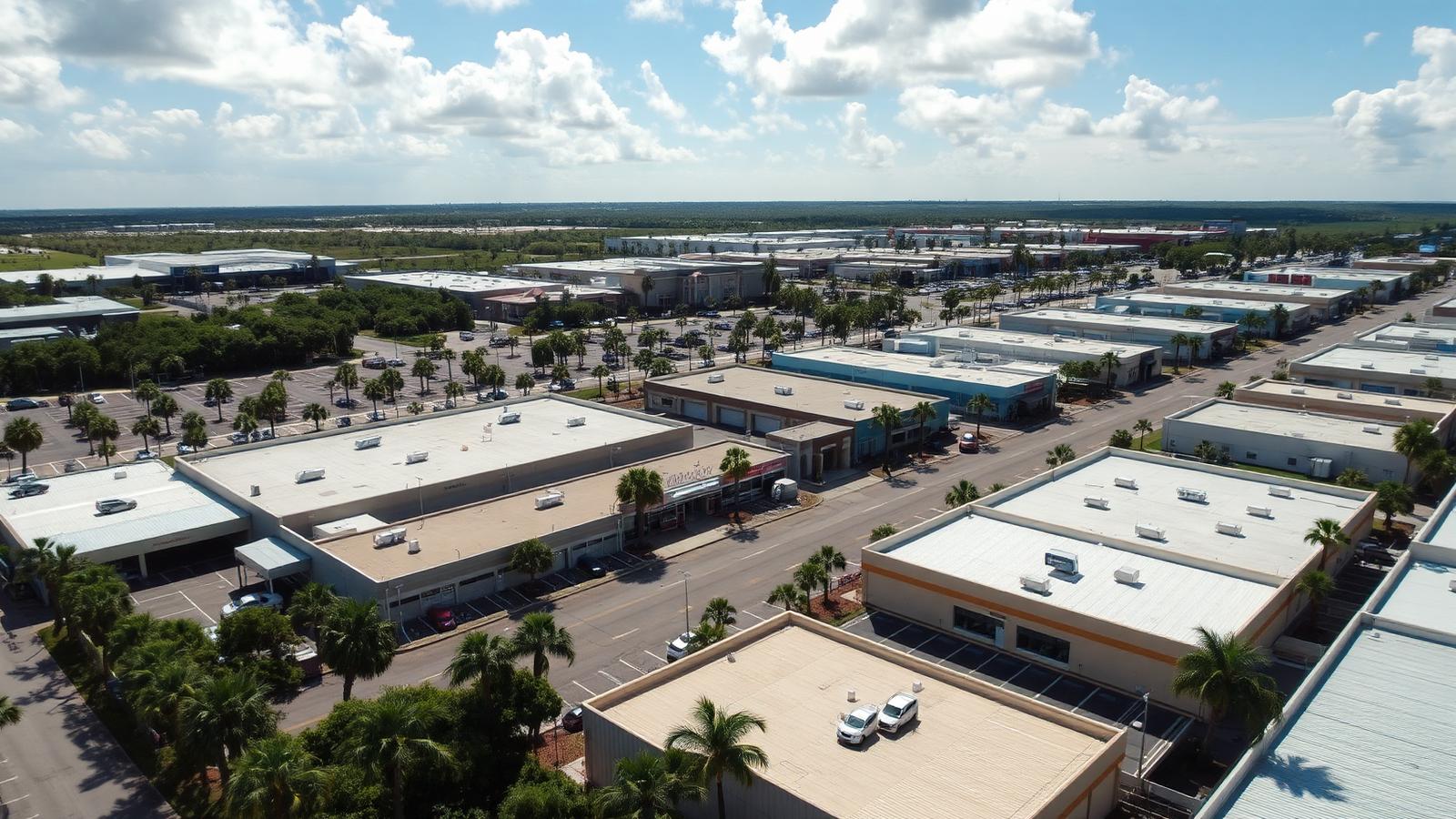
If you're a business owner in South Florida, you know the unique challenges your roof faces. Intense sun, torrential rain, and hurricane season demand a roofing system that can take a beating and keep performing. That's where SPF roofing comes in.
SPF stands for Spray Polyurethane Foam. It's not a new technology, but it's one that's gaining significant traction in commercial roofing for good reasons. When applied correctly, an SPF roofing system creates a seamless, durable, and highly insulative layer over your existing roof. Let's break down why this matters for your business.
What is SPF Roofing, Exactly?
An SPF roofing system involves two main components: the spray polyurethane foam itself, and a protective elastomeric topcoat, usually silicone.
- Spray Polyurethane Foam (SPF): This is applied as a liquid, typically in two passes, directly to your existing roof substrate. It expands almost immediately, conforming to every curve, vent, and penetration. This expansion creates a monolithic (seamless) layer of rigid, closed-cell foam. Because it's closed-cell, it's inherently waterproof and provides exceptional insulation.
- Protective Topcoat: Once the foam cures, a layer of silicone or acrylic elastomeric coating is applied. This coating protects the foam from UV degradation, foot traffic, and environmental wear. Silicone is particularly popular in South Florida due to its superior UV resistance and ability to withstand ponding water without degradation.
This two-part system works together to create a robust, long-lasting, and energy-efficient roof.
Why SPF is a Smart Choice for South Florida Commercial Roofs
1. Seamless and Leak-Proof
Traditional roofing systems, like TPO or modified bitumen, have seams. Every seam is a potential point of failure and a place for water to infiltrate. SPF, being a monolithic layer, eliminates these seams entirely. When properly installed, it creates a continuous, unbroken waterproof barrier across your entire roof surface, including around skylights, HVAC units, and parapet walls. This drastically reduces the risk of leaks.
2. Superior Insulation and Energy Savings
This is where SPF truly shines. SPF boasts one of the highest R-values per inch of any roofing material (typically R-6.5 to R-7 per inch). This means it provides exceptional thermal resistance. For businesses in South Florida, this translates directly into lower energy bills.
Think about it: your air conditioning system works overtime to keep your building cool. A well-insulated SPF roof reduces the amount of heat transfer from the scorching sun into your building. We've seen clients report significant reductions in their cooling costs, often enough to see a fast return on their roofing investment.
3. Lightweight and Durable
Despite its strength, SPF is surprisingly lightweight. This means it often can be applied directly over your existing roof, eliminating the need for costly and disruptive tear-offs. This saves on labor, disposal fees, and minimizes interruption to your business operations. Once cured and coated, it forms a durable surface that can withstand foot traffic and the elements.
4. Extends Roof Lifespan
Many SPF systems can be reapplied with a new protective silicone topcoat every 10-15 years, effectively renewing your roof's lifespan without needing a full replacement. This makes SPF a sustainable and long-term roofing solution.
5. Excellent Wind Uplift Resistance
Given South Florida's hurricane risk, wind uplift resistance is critical. Because SPF adheres directly to the substrate and forms a continuous layer, it has excellent resistance to wind uplift. This can be a major advantage when high winds hit.
The Role of Silicone in an SPF System
While the foam provides the insulation and seamless base, the silicone topcoat is its protective shield. For South Florida, silicone is often preferred over acrylics for several key reasons:
- UV Stability: Silicone is incredibly resistant to UV degradation. It won't chalk, crack, or become brittle under the intense South Florida sun, maintaining its reflective properties and protective qualities for years.
- Ponding Water Resistance: Flat or low-slope roofs often experience ponding water after heavy rains. Unlike some other coatings, silicone does not degrade when exposed to standing water for extended periods.
- Flexibility: Silicone remains flexible across a wide range of temperatures, accommodating the expansion and contraction of your roof without cracking.
Is SPF Right for Your South Florida Business?
SPF roofing isn't a one-size-fits-all solution, but it's a strong contender for many commercial properties, especially those looking for energy efficiency, leak prevention, and a long-term investment. The key to successful SPF installation lies in the experience and expertise of the roofing contractor.
Roof King has extensive experience installing and maintaining SPF roofing systems across South Florida. We understand the nuances of this technology and how to apply it effectively in our demanding climate.
Ready to explore if SPF roofing is the right choice to protect your commercial property and reduce your energy bills? Contact Roof King today for a free, no-obligation roof assessment. We'll inspect your current roof, discuss your needs, and provide an honest recommendation tailored to your business.
Free assessment
Free Commercial Roof Assessment
Licensed & insured Florida commercial roofing. Spray foam and silicone restoration across South Florida — no pressure, no cost.