The Core Science of SPF Roofing: Unmatched Insulation
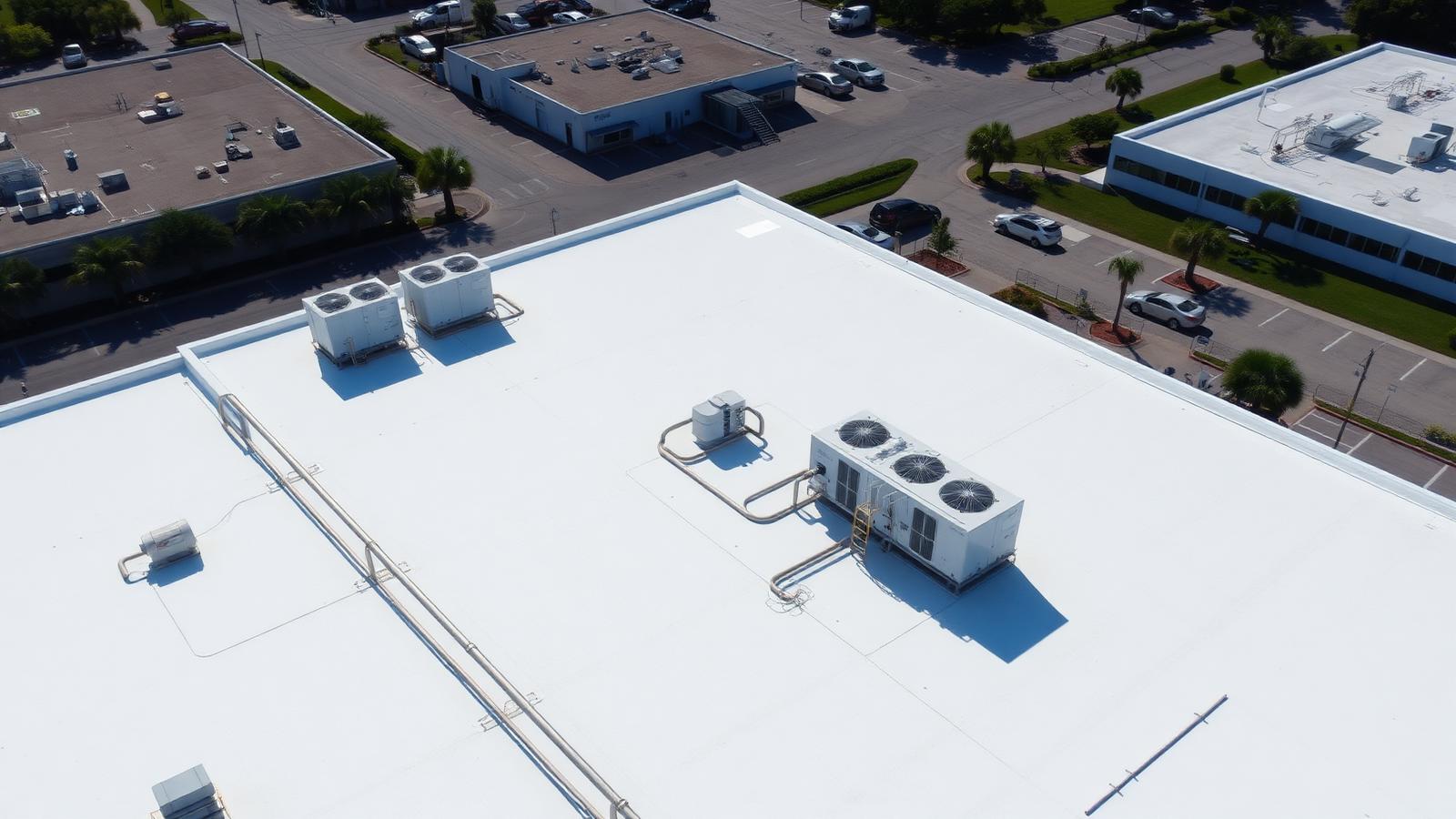
Commercial property owners in South Florida face unique challenges with heat gain and energy consumption. Spray Polyurethane Foam (SPF) roofing provides a highly effective solution due to its inherent material science, delivering superior thermal performance and energy savings. Unlike traditional roofing materials that primarily focus on waterproofing, SPF acts as a monolithic, self-flashing, and highly insulating barrier. Understanding the science behind its thermal properties reveals why it's a top choice for energy-efficient commercial roofs.
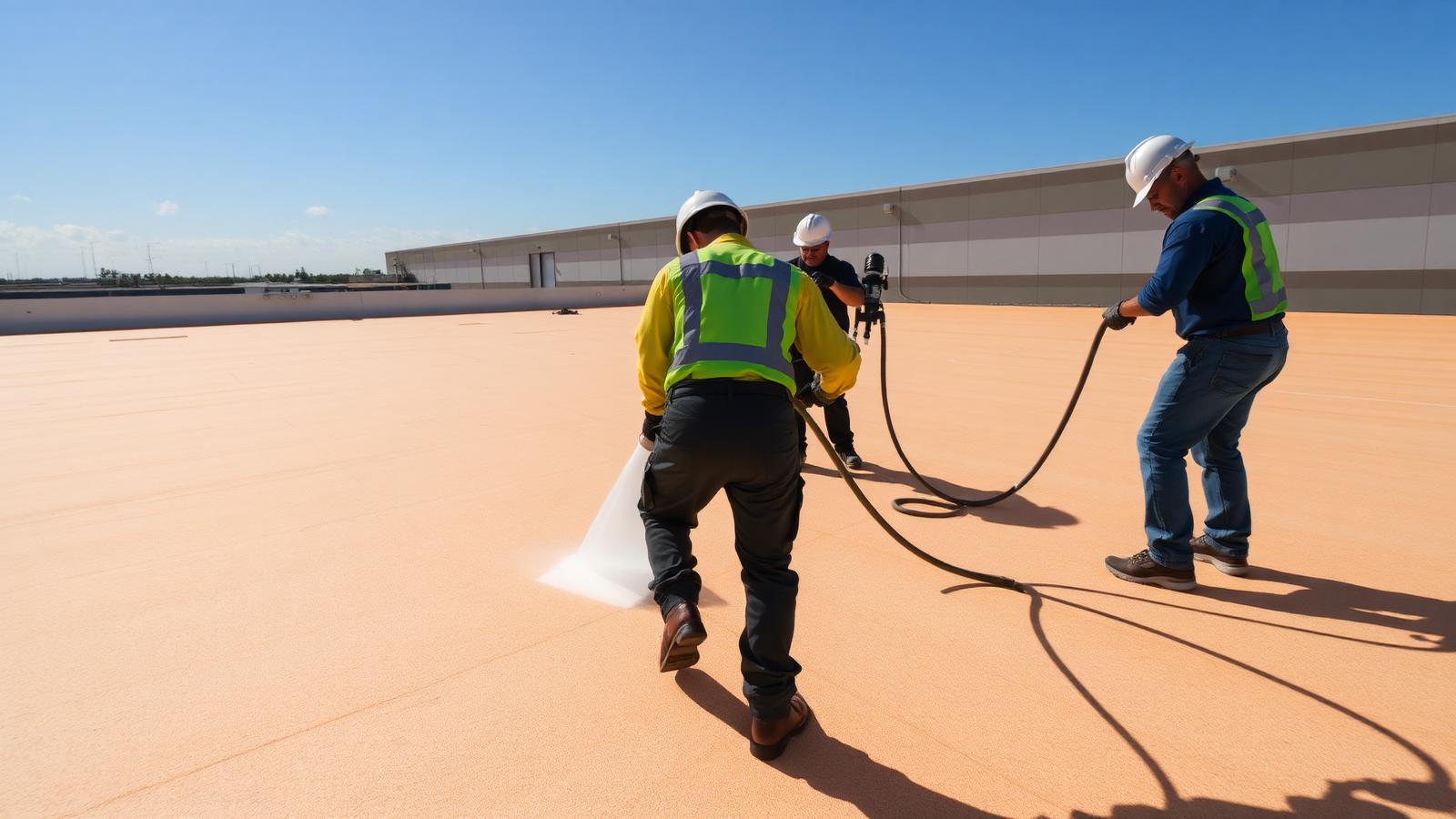
At its heart, SPF is a two-component liquid material—an isocyanate and a polyol blend—that, when mixed, reacts to form a rigid, closed-cell foam. This chemical reaction happens on-site, directly on the existing roof substrate. The key to its insulating power lies in its cellular structure and the gas trapped within those cells.
Closed-Cell Structure: The Secret to High R-Value
The most significant factor contributing to SPF's thermal performance is its closed-cell structure. When the liquid components react, they expand rapidly, creating millions of tiny, discrete cells. These cells encapsulate an insulating gas, often a hydrofluorocarbon (HFC) or similar blowing agent, which has a much lower thermal conductivity than air.
Thermal conductivity is a measure of a material's ability to transfer heat. Materials with low thermal conductivity are good insulators. The trapped gas within the closed cells significantly reduces heat transfer through conduction. Heat struggles to move through the numerous cell walls and the insulating gas, effectively slowing its passage from the hot exterior to the cooler interior of the building. This is the primary reason SPF boasts one of the highest R-values per inch of any commercially available insulation material. R-value is a measure of thermal resistance, and a higher R-value indicates better insulating capability.
Monolithic and Seamless Application: Eliminating Thermal Bridges
Beyond its cellular structure, the application method of SPF further enhances its thermal performance. SPF is sprayed onto the roof surface, creating a continuous, monolithic layer. This seamless application eliminates thermal bridges, which are pathways for heat to bypass insulation. Traditional insulation materials, often installed in boards or batts, inevitably have seams, gaps, and fasteners that can act as thermal bridges, allowing heat to penetrate the building envelope.
With SPF, there are no seams for heat to exploit. It conforms to irregular surfaces, fills cracks, and seals around penetrations like vents, skylights, and HVAC units, creating a truly airtight and thermally continuous barrier. This comprehensive coverage prevents air leakage, a major source of energy loss in buildings. Air leakage accounts for a significant portion of a building's heating and cooling costs, and SPF effectively mitigates this issue by creating an impermeable layer.
Adhesion and Stability: Long-Term Performance
The strong adhesion of SPF to various substrates—including metal, concrete, wood, and existing membranes—contributes to its long-term thermal stability. Once applied, SPF forms a durable, rigid layer that resists uplift and maintains its integrity. This means the insulating layer remains securely in place, preventing shifting or degradation that could compromise its thermal effectiveness over time. In South Florida's climate, where high winds and humidity are common, this stability is crucial for sustained performance.
The chemical bond created during application ensures that the insulation won't settle or compact, which can reduce the R-value of other insulation types. This inherent stability guarantees that the initial high R-value of the SPF system is maintained throughout its lifespan, providing consistent energy savings for decades.
The Role of Reflective Coatings: Enhancing SPF's Thermal Benefits
While SPF itself is a powerful insulator, its thermal performance is further optimized when paired with a protective topcoat, typically a silicone or acrylic elastomeric coating. These coatings serve multiple purposes, but their primary contribution to thermal performance is reflectivity.
Reflective coatings, especially those with high solar reflectivity and thermal emissivity, bounce a significant portion of the sun's infrared and ultraviolet rays away from the roof surface. This dramatically reduces the amount of solar heat absorbed by the roof. By preventing heat absorption in the first place, the SPF below has less work to do in resisting heat transfer. This synergistic effect significantly lowers the roof surface temperature, which in turn reduces the heat load on the building's HVAC system.
In South Florida, where intense solar radiation is a daily reality, a highly reflective surface can lower roof temperatures by 50-60 degrees Fahrenheit or more compared to a dark, non-reflective roof. This reduction in temperature directly translates to lower energy consumption for cooling and extended roof system lifespan by reducing thermal shock and UV degradation.
Why This Matters for Your Commercial Property
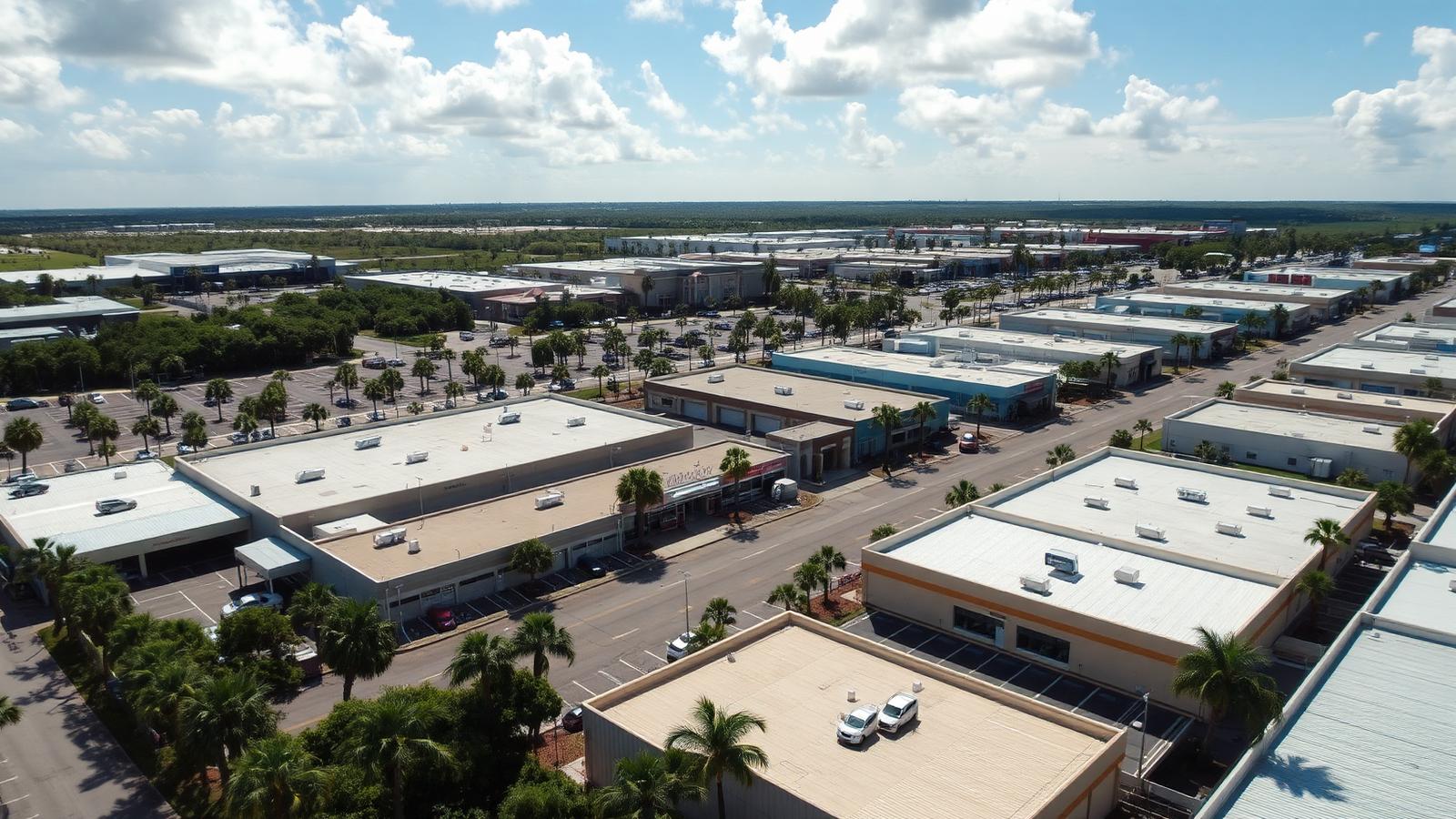
For a commercial property owner or manager in South Florida, the material science of SPF roofing translates directly into tangible benefits. The high R-value, seamless application, and durability of SPF, combined with the reflective properties of its topcoat, lead to substantial energy savings from reduced cooling costs. This system not only provides a robust, watertight barrier but also acts as a highly efficient thermal envelope, creating a more comfortable interior environment and reducing the strain on your HVAC equipment. Investing in an SPF roofing system is an investment in long-term energy efficiency and asset protection.
Ready to explore how advanced SPF roofing can transform your commercial property's energy performance? Contact Roof King today for a free, no-obligation roof assessment and learn how our expertise can benefit your business.
Related reading
Free assessment
Free Commercial Roof Assessment
Licensed & insured Florida commercial roofing. Spray foam and silicone restoration across South Florida — no pressure, no cost.