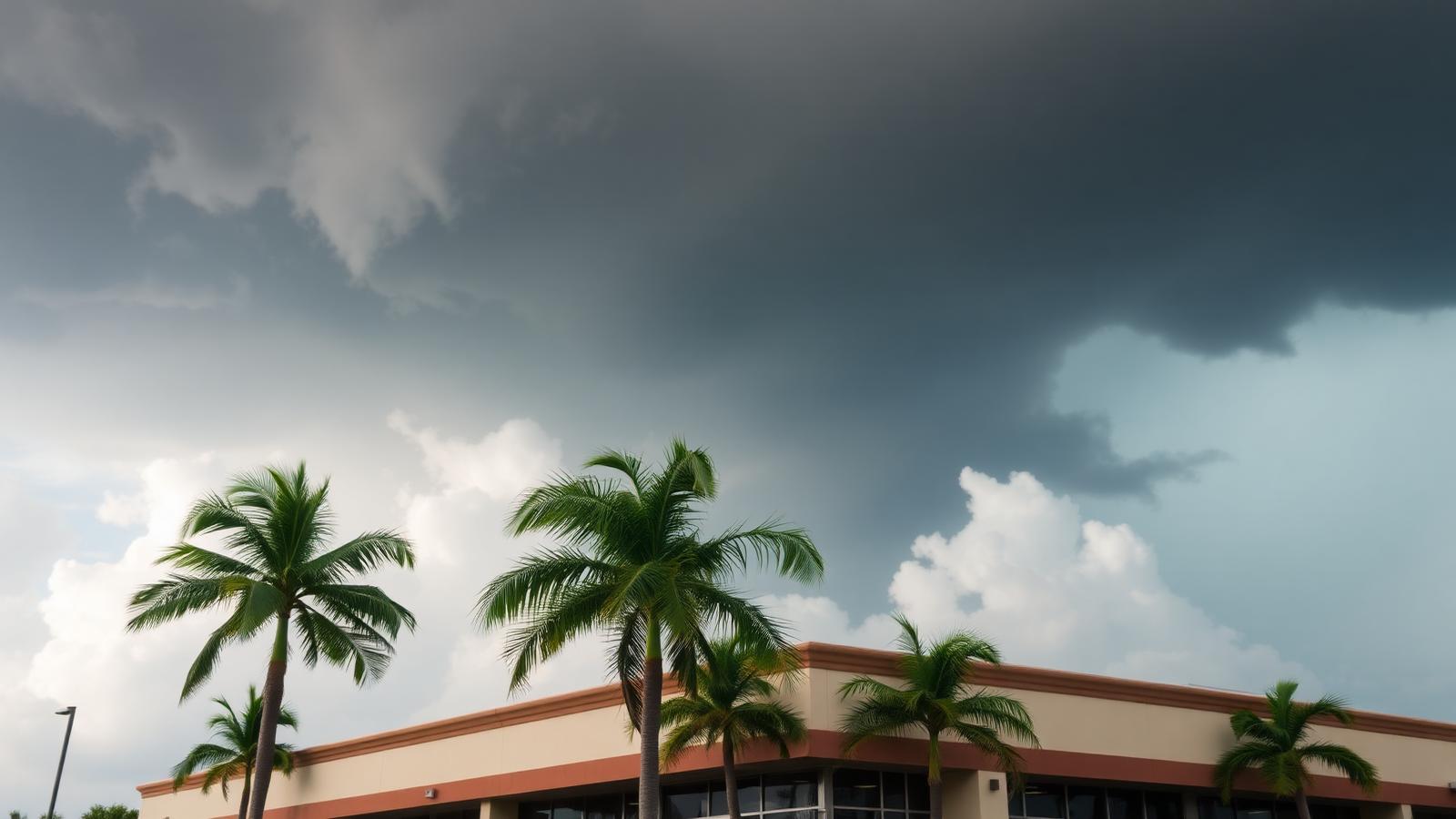
The Importance of Wind Uplift Resistance in South Florida
Wind uplift is a significant force acting on commercial roofs during high winds, especially tropical storms and hurricanes. It occurs when wind pressure beneath the roof becomes greater than the pressure above it, essentially trying to peel the roof off the building. The design and installation of a commercial roof must account for these forces, as inadequate resistance can lead to catastrophic roof failure, extensive water damage, business interruption, and costly repairs.
Florida's building codes are among the most stringent in the nation, reflecting the state's vulnerability to hurricanes. These codes dictate minimum performance standards for roofing materials and systems, including their ability to resist wind uplift forces. Recent updates often stem from lessons learned during past hurricane seasons, aiming to enhance overall structural integrity and reduce post-storm damage.
Understanding Florida Building Code Updates for Commercial Roofing
The Florida Building Code (FBC) is a dynamic document, with new editions and supplements released periodically. These updates frequently include revised provisions for commercial roofing systems. While specific code sections can be complex, the general trend is towards increased performance requirements for wind resistance. This means higher design pressures, more robust fastening patterns, and a greater emphasis on system-wide integrity rather than just individual components.
For commercial property owners, this translates to a need for vigilant oversight of roof maintenance, repair, and replacement projects. Any work performed on a commercial roof must comply with the FBC in effect at the time of permit application. This is not merely a bureaucratic hurdle; it is a fundamental safeguard against future storm damage and a prerequisite for obtaining insurance coverage.
Key areas often addressed in FBC updates related to wind uplift include:
- Enhanced Fastener Requirements: Stricter guidelines on the type, quantity, and spacing of fasteners for various roofing systems.
- Edge and Perimeter Details: Recognizing that roof edges are highly vulnerable to wind uplift, codes often include specific requirements for their reinforcement.
- Material Performance Standards: Higher expectations for the wind resistance ratings of roofing materials themselves, including insulation and cover boards.
- System Integration: A focus on how different components of the roof system work together to resist uplift, emphasizing the importance of a cohesive, well-engineered design.
How SPF and Silicone Roof Restoration Systems Address Wind Uplift
Spray Polyurethane Foam (SPF) and Silicone Roof Restoration systems offer distinct advantages in meeting and exceeding Florida's stringent wind uplift requirements. These systems, when properly applied, create a seamless, monolithic layer over the existing roof, eliminating many of the vulnerabilities found in traditional multi-component roofing systems.
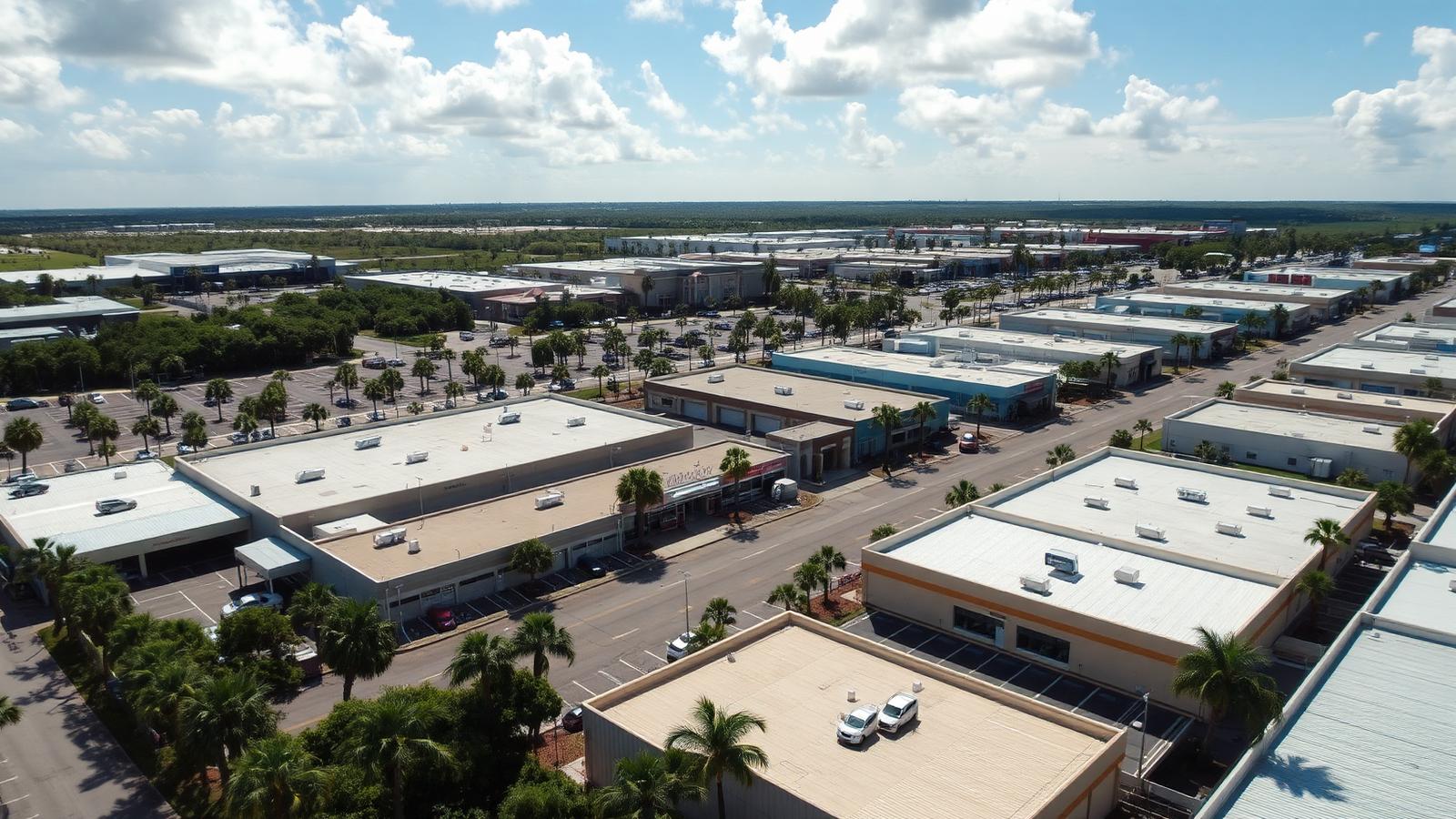
Spray Polyurethane Foam (SPF) Roofing:
SPF roofing systems are known for their exceptional adhesion to virtually any substrate. This strong bond is crucial for wind uplift resistance. Unlike mechanically fastened systems where individual fasteners can fail, an SPF roof acts as a single, fully adhered membrane across the entire roof deck. This continuous adhesion distributes wind uplift forces evenly, significantly reducing the likelihood of edge or field blow-offs. The foam's density and structural integrity also contribute to its ability to withstand extreme pressures.
Furthermore, SPF can encapsulate existing roof components, sealing off potential entry points for wind and water. This monolithic nature removes seams, which are often the weakest points in traditional roofing systems regarding wind uplift. When properly installed, SPF systems have demonstrated superior performance in hurricane-prone regions, often remaining intact where other roof types have failed.
Silicone Roof Restoration Systems:
Silicone roof coatings, particularly when applied as part of a restoration system over an existing roof, also provide excellent wind uplift resistance. While not offering the same structural rigidity as SPF, silicone coatings create a seamless, fully adhered waterproof membrane. This adhesion prevents wind from getting underneath the coating and causing delamination.
By sealing all seams, penetrations, and flashing details, silicone coatings eliminate common points of failure where wind can initiate uplift. The elasticity of silicone also allows it to withstand thermal expansion and contraction without cracking, maintaining its integrity even under fluctuating conditions. When combined with appropriate fabric reinforcement at critical areas, silicone systems significantly enhance the wind uplift resistance of an existing roof, extending its life and improving its code compliance.
The Role of Professional Installation and Engineering
Compliance with Florida's wind uplift requirements is not solely about selecting the right materials; it is equally about professional installation and engineering. A roofing system's performance against wind uplift depends heavily on its design and application.
Reputable commercial roofing contractors understand the nuances of the FBC and employ practices that ensure compliance. This includes proper substrate preparation, correct material application rates, appropriate fastening schedules (for SPF, this means ensuring proper adhesion to a suitable substrate), and meticulous detailing around edges, penetrations, and transitions. Engaging a contractor with a strong track record in South Florida and specific expertise in SPF and silicone systems is paramount.
Engineered solutions, sometimes involving wind uplift calculations by a licensed engineer, may be required for complex projects or in high-velocity hurricane zones (HVHZ). These calculations ensure that the proposed roofing system can withstand the specific design pressures applicable to your building's location and height.
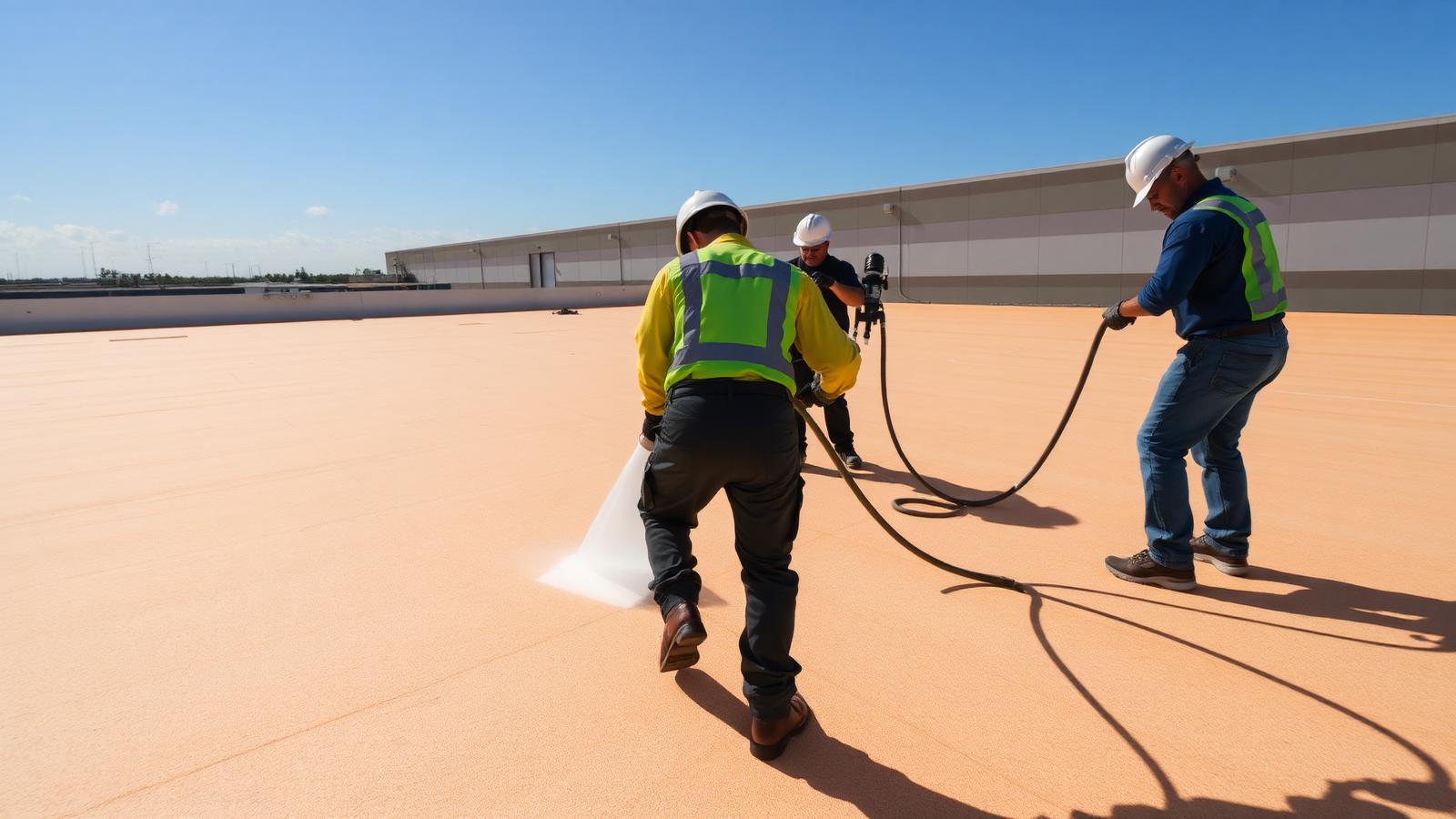
Mitigating Risk and Ensuring Longevity
For commercial property owners and managers, proactive measures are key to mitigating risk and ensuring the longevity of their roofing assets in the face of Florida's demanding weather conditions. Regular roof inspections, especially before hurricane season, can identify potential vulnerabilities before they become critical issues.
Addressing minor repairs promptly and considering a roof restoration system like SPF or silicone before a full tear-off can be a cost-effective strategy to enhance wind uplift resistance and extend the life of your roof. These restoration systems often come with long-term warranties that provide peace of mind, knowing your investment is protected.
It is also prudent to maintain thorough documentation of all roof work, including permits, material specifications, and warranty information. This documentation is invaluable for insurance claims and demonstrating code compliance.
Partnering with Experts for Code Compliance
Navigating Florida's building codes and ensuring your commercial roof meets or exceeds wind uplift requirements requires specialized knowledge. Partnering with an experienced commercial roofing company like Roof King, which has deep expertise in SPF and silicone systems and a thorough understanding of South Florida's regulatory landscape, is a strategic decision.
We can assess your current roof system, identify any areas of non-compliance or vulnerability, and recommend solutions that not only meet code but also provide superior, long-lasting protection against hurricane-force winds. Our goal is to help you maintain a resilient, energy-efficient, and compliant commercial roof.
Protect your commercial property against the severe weather challenges of South Florida. Contact Roof King today to schedule a free, no-obligation roof assessment. Our experts will evaluate your current roofing system and discuss how SPF or silicone restoration can enhance its wind uplift resistance and overall performance, ensuring peace of mind for years to come.
Related reading
Free assessment
Free Commercial Roof Assessment
Licensed & insured Florida commercial roofing. Spray foam and silicone restoration across South Florida — no pressure, no cost.