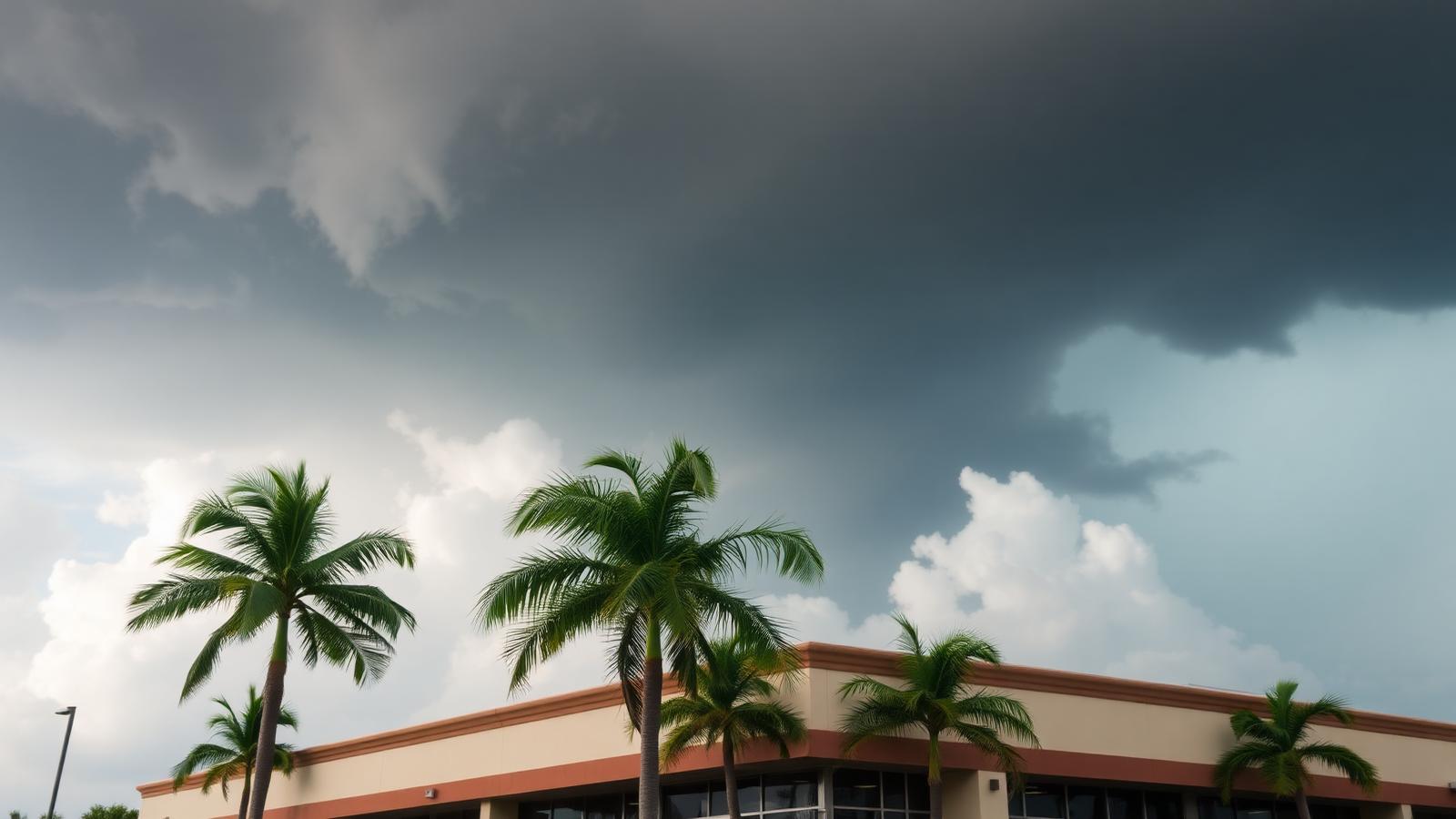
The commercial roofing industry in South Florida operates under some of the most stringent building codes in the nation. With hurricane season a perennial concern, these codes are not static; they evolve to incorporate lessons learned from past storms and advancements in roofing technology. Property owners and managers must stay informed about these critical updates to ensure their buildings remain compliant, resilient, and insurable.
Staying ahead of the curve on updated wind uplift requirements is crucial for protecting your commercial property and ensuring long-term roof performance in South Florida.
Understanding Wind Uplift and Its Impact on Commercial Roofs
Wind uplift is the force exerted by wind on a roof, attempting to lift it from the building structure. During high winds, especially those experienced during hurricanes, this force can be immense. If a roof is not adequately secured and designed to resist these forces, it can fail, leading to catastrophic damage, water intrusion, and significant business disruption. South Florida's unique geographical position makes it particularly vulnerable to these extreme weather events, necessitating robust roofing solutions.
The Florida Building Code (FBC) has always included provisions for wind uplift resistance, but recent amendments have refined these requirements, particularly for commercial structures. These changes often stem from post-storm analyses and research into roofing system performance under severe conditions. The goal is to enhance the overall resilience of commercial buildings, reducing the financial and operational impact of hurricane damage.
Key Changes in Wind Uplift Requirements for South Florida
While specific code sections can be highly technical, the general direction of recent FBC updates points towards increased stringency and a greater emphasis on system-wide performance. Key areas of focus include:
- Enhanced Fastening Schedules: Many updates call for more rigorous fastening patterns and types for mechanically attached roofing systems, particularly near roof perimeters and corners where uplift forces are highest.
- Adhesive Performance Standards: For adhered systems, there's an increased focus on the bonding strength of adhesives and their ability to withstand cyclical wind loading over time.
- Material Specific Requirements: Different roofing materials, from single-ply membranes to SPF and modified bitumen, often have updated performance criteria that must be met, including resistance to tearing, punctures, and detachment under high wind speeds.
- Zone Delineation Refinements: The FBC divides roofs into different wind zones (field, perimeter, corner), each with varying uplift pressure requirements. Recent changes may refine these zones or increase the required resistance within them, particularly for larger or taller buildings.
- Increased Scrutiny on Edge Details: Roof edges, coping, and flashing are critical weak points during high winds. New requirements often demand improved design and installation for these elements to prevent wind intrusion and subsequent roof system delamination.
These changes are not merely bureaucratic hurdles; they represent a commitment to building safer, more durable commercial properties in a high-wind zone. Property owners should consult with qualified roofing professionals to understand how these nuanced changes apply to their specific building type and location within South Florida.
How SPF and Silicone Roof Systems Meet New Wind Uplift Demands
Spray Polyurethane Foam (SPF) and silicone roof restoration systems are inherently well-suited to meet and often exceed stringent wind uplift requirements. Their unique properties offer significant advantages:
- Seamless Adhesion (SPF): SPF is spray-applied directly to the existing roof substrate, creating a monolithic, seamless layer that is fully adhered. This eliminates seams, which are common failure points for wind uplift in traditional membrane systems. The continuous bond distributes uplift forces evenly across the entire roof deck, significantly enhancing resistance.
- High Tensile Strength (SPF): Cured SPF has excellent tensile strength, meaning it can resist pulling forces without tearing or delaminating. This intrinsic strength contributes directly to its superior wind uplift performance.
- Encapsulation and Reinforcement: When SPF is applied, it encapsulates the entire roof surface, including penetrations and parapet walls. This creates a strong, continuous barrier that prevents wind from getting underneath the roofing system, a primary cause of uplift failure.
- Silicone's Protective Layer: A silicone coating applied over SPF adds another layer of protection. It is highly elastic and forms a durable, weather-tight seal that resists UV degradation and further enhances the system's ability to withstand environmental stressors, including wind-driven rain.
- Restoration Benefits: For existing roofs, a silicone roof restoration system can often be applied directly over the current membrane, provided the substrate is sound. This avoids costly tear-offs and provides a new, seamless, and highly wind-resistant surface that can bring an older roof up to modern performance standards.
By choosing SPF and silicone systems, commercial property owners in South Florida are not just repairing a roof; they are investing in a high-performance, code-compliant, and hurricane-resilient roofing solution.
Preparing Your Commercial Roof for Hurricane Season and Code Compliance
Proactive measures are key to ensuring your commercial roof is ready for whatever South Florida's weather brings. With updated wind uplift requirements, this preparation is more critical than ever.
- Professional Roof Assessment: The first step is to have a comprehensive assessment by a qualified commercial roofing contractor specializing in South Florida codes. They can identify vulnerabilities, assess the current condition of your roof, and determine if it meets the latest wind uplift standards.
- Understand Your Specific Building's Needs: Wind uplift requirements vary based on building height, location, and roof geometry. A professional assessment will take these factors into account to provide tailored recommendations.
- Consider Restoration or Replacement: If your roof is nearing the end of its life or shows signs of significant wear, consider a spray foam or silicone restoration. These options often provide superior wind uplift resistance compared to many traditional systems and can be more cost-effective than a full tear-off and replacement.
- Review Warranty and Maintenance: Ensure your roofing system has a robust warranty that covers wind damage and adhere to a regular maintenance schedule. Proper maintenance helps identify minor issues before they escalate into major problems during a storm.
- Documentation: Keep thorough records of all roof inspections, repairs, and installations. This documentation is crucial for insurance claims and demonstrating code compliance.
The dynamic nature of South Florida's building codes, particularly concerning wind uplift, demands continuous vigilance from commercial property owners and managers. Partnering with an experienced roofing contractor like Roof King ensures that your roof not only meets current regulations but also provides the highest level of protection against the elements.
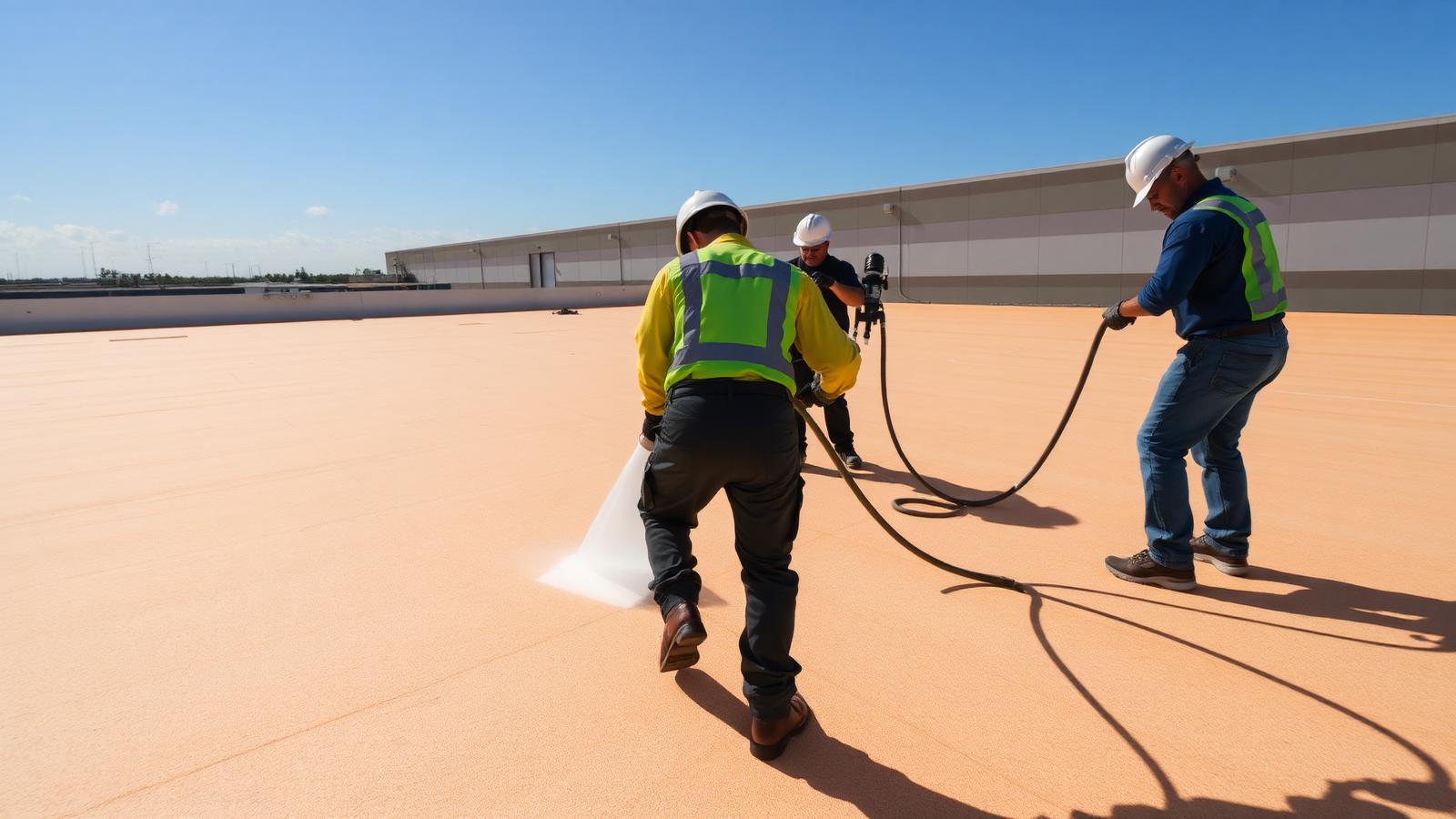
The Roof King Advantage: Expertise in South Florida's Codes
At Roof King, we specialize in commercial spray polyurethane foam (SPF) and silicone roof restoration systems, understanding the unique challenges and stringent requirements of South Florida's climate and building codes. Our team stays current with all FBC amendments related to wind uplift and structural integrity, ensuring every project we undertake is not only compliant but built to withstand the harshest conditions.
We pride ourselves on delivering solutions that offer superior wind resistance, energy efficiency, and long-term durability. Our expertise allows us to recommend and install roofing systems that provide peace of mind, knowing your commercial property is well-protected against hurricane-force winds and driving rain.
Don't wait for the next storm to discover vulnerabilities in your commercial roof. Take proactive steps to assess your roof's wind uplift resistance and ensure compliance with the latest South Florida building codes. Contact Roof King today to schedule a free, no-obligation roof assessment. Our experts will provide a detailed evaluation and recommend the best solutions to fortify your commercial property against the elements.
Related reading
Free assessment
Free Commercial Roof Assessment
Licensed & insured Florida commercial roofing. Spray foam and silicone restoration across South Florida — no pressure, no cost.