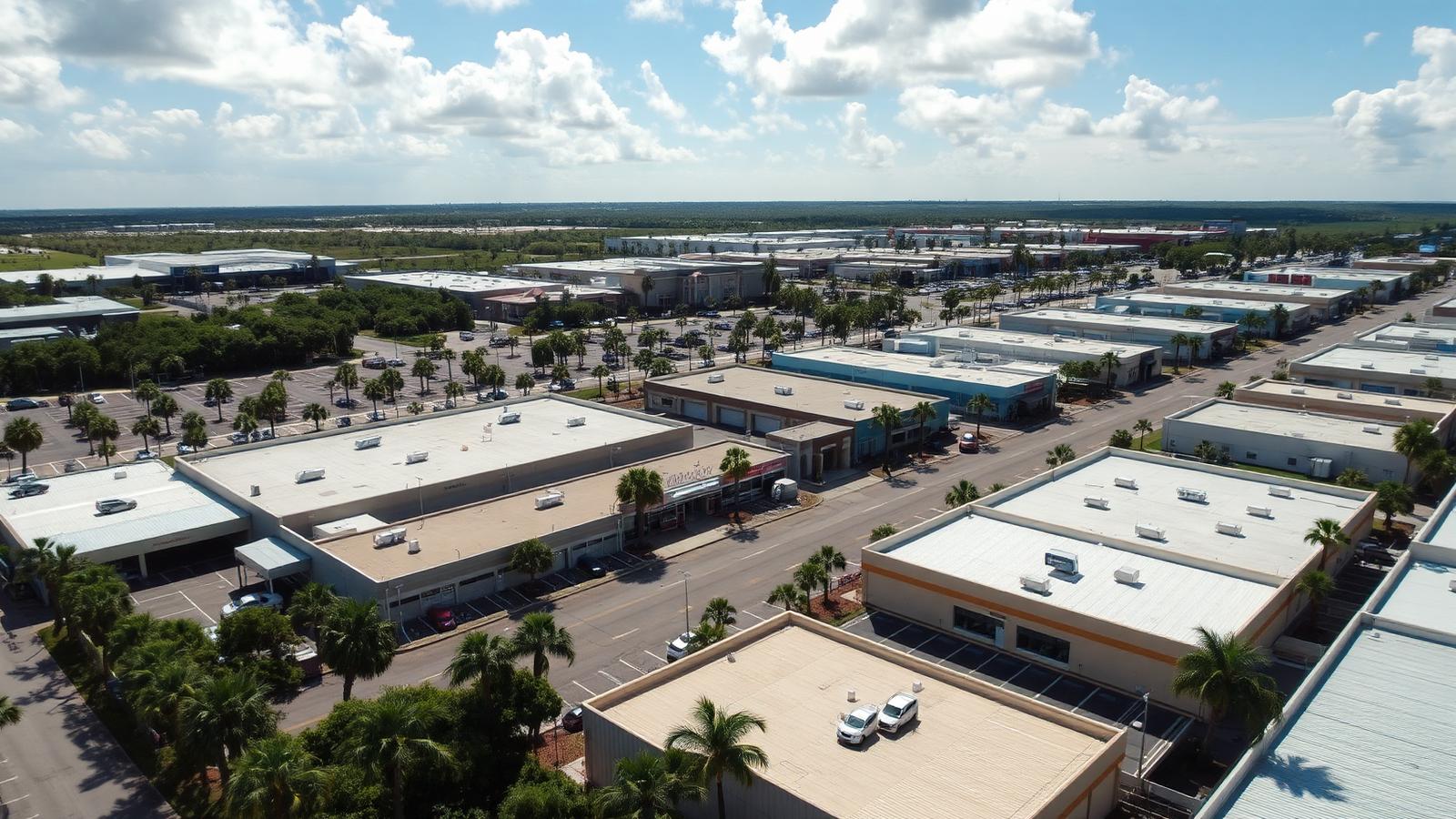
South Florida's unique climate, characterized by intense sun, heavy rainfall, and the persistent threat of hurricanes, drives a constant evolution in building codes. For commercial property owners and managers, staying informed about these changes, especially regarding roofing, is not just about compliance; it's about safeguarding significant investments and ensuring business continuity. The latest updates reflect a commitment to greater resilience against the severe weather events that define our region.
Understanding and implementing the latest South Florida commercial roofing codes is paramount for hurricane resilience and long-term property protection.
The Imperative of Evolving Roofing Codes in South Florida
Florida's building codes are among the most stringent in the nation, a direct response to the powerful hurricanes that frequently impact our coastline. These codes are not static; they are regularly reviewed and updated by bodies like the Florida Building Commission to incorporate lessons learned from past storms, advancements in material science, and improved engineering practices. For commercial roofing, this often translates to stricter requirements for wind uplift resistance, impact resistance, and water intrusion prevention. The goal is clear: to build roofs that can withstand the forces of a major hurricane, reducing damage, displacement, and the economic burden on communities.
Key Areas of Focus in Recent Code Updates
Recent and upcoming code cycles often emphasize several critical aspects relevant to commercial roofing in hurricane-prone areas. These include enhanced wind uplift design pressures, particularly at roof perimeters and corners where wind forces are highest. There's also a strong focus on the securement of roof insulation and membrane systems, ensuring they remain intact during high winds. Material performance standards are continually refined, favoring products and systems with proven durability under extreme conditions. Furthermore, codes often encourage sustainable practices, integrating energy efficiency and longer lifespans into the design process, which can align well with restoration systems like SPF and silicone.
How Code Changes Impact Commercial Roof Systems
For property owners, code changes can influence everything from initial roof design to repair and replacement strategies. When undertaking a re-roofing project, you must adhere to the current code, which might necessitate a different system or installation method than what was originally on the building. For repairs, even minor ones, local jurisdictions may require bringing the entire affected section up to code, particularly if the damage is extensive or if a certain percentage of the roof area is being replaced. This can sometimes make a full restoration or replacement a more cost-effective and compliant long-term solution than piecemeal repairs.
The Role of SPF and Silicone in Meeting Modern Code Requirements
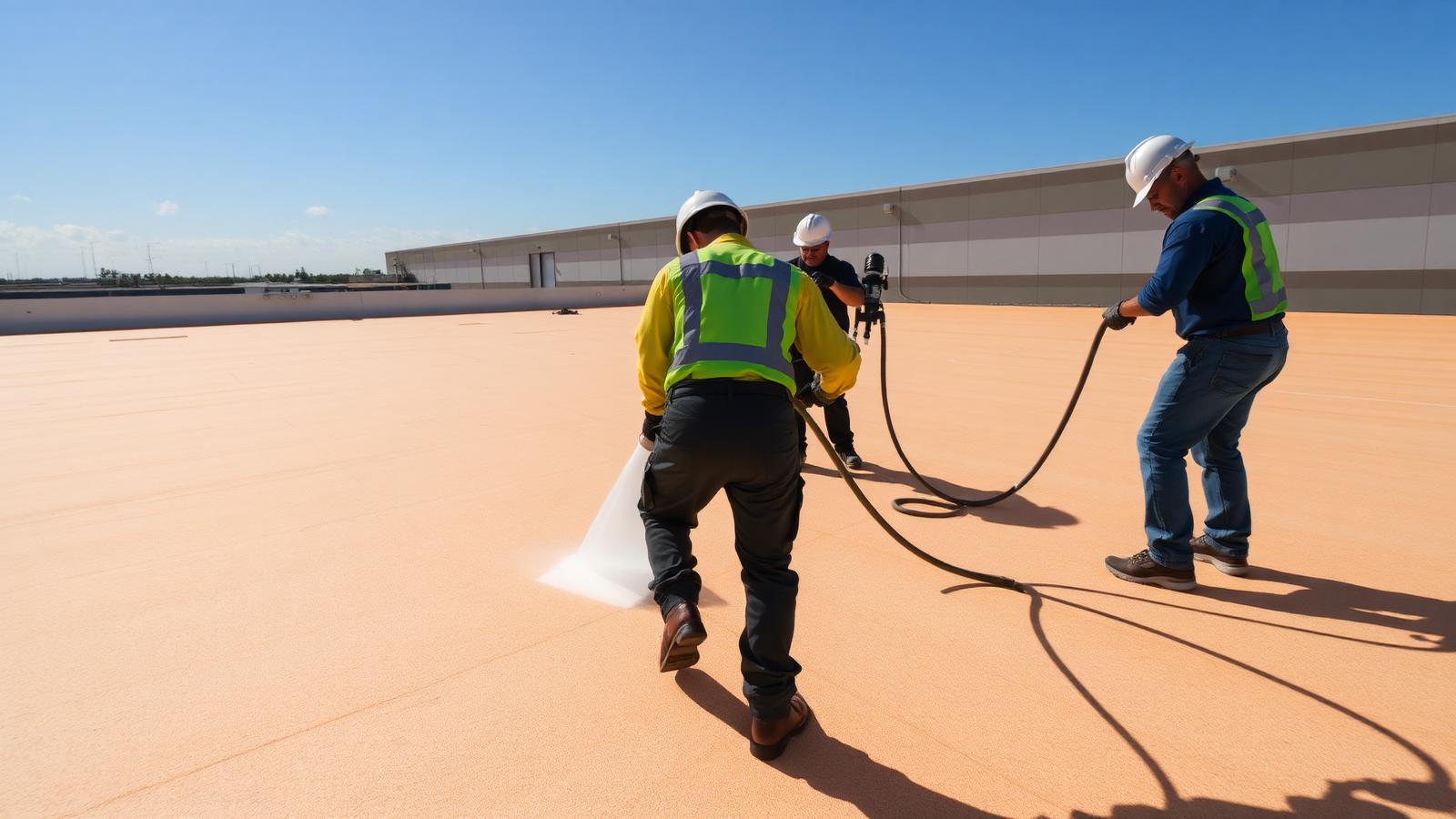
Spray Polyurethane Foam (SPF) and silicone roof restoration systems are increasingly recognized for their ability to meet and often exceed stringent South Florida building codes. SPF, when applied correctly, forms a seamless, monolithic layer that adheres directly to the existing substrate. This eliminates fasteners and seams, which are common points of failure in high winds. Its incredible adhesion provides superior wind uplift resistance. Silicone coatings, applied over SPF or directly over various existing roof types, add another layer of seamless, waterproof protection. Both systems contribute to excellent insulation values, which also aligns with energy efficiency components of modern codes.
Their seamless nature is a significant advantage in hurricane zones. There are no seams to peel back or lift, greatly reducing the risk of water intrusion and catastrophic failure during extreme weather events. The durability and long-term performance of these systems make them a robust choice for property owners looking to invest in hurricane-resistant roofing.
Future-Proofing Your Commercial Roof Investment
Investing in a commercial roof system that not only meets but surpasses current code requirements is a strategic decision for South Florida property owners. While initial costs might be a consideration, the long-term benefits of enhanced hurricane resilience, reduced insurance claims, minimized business disruption, and extended roof lifespan far outweigh them. Proactive measures, such as regular roof assessments and timely upgrades, can help prevent a small issue from becoming a major code-compliance challenge during a re-roofing project. A well-maintained and code-compliant roof is a critical asset in protecting your entire property.
Partnering with Experts for Code-Compliant Roofing Solutions
Staying abreast of every nuance in the Florida Building Code can be overwhelming for property owners. This is where partnering with an experienced, local commercial roofing contractor becomes invaluable. Experts like Roof King understand the specific challenges and regulatory landscape of South Florida. We specialize in SPF and silicone roof restoration systems that are engineered to meet the highest standards for wind uplift, waterproofing, and durability. Our team is familiar with the latest code updates and the local permitting processes, ensuring your project is compliant from start to finish.
We provide solutions that protect your investment, enhance your building's energy efficiency, and offer peace of mind, especially as hurricane season approaches. Don't wait for a storm to expose vulnerabilities in your roofing system. Proactive planning and code-compliant solutions are key to long-term success.
Are you concerned about your commercial roof's compliance with current South Florida building codes or its readiness for hurricane season? Contact Roof King today to request a free, no-obligation roof assessment. Our experts will evaluate your existing system and provide tailored recommendations to ensure your property is protected.
Related reading
Free assessment
Free Commercial Roof Assessment
Licensed & insured Florida commercial roofing. Spray foam and silicone restoration across South Florida — no pressure, no cost.