The Science of Wind Uplift on Commercial Roofs
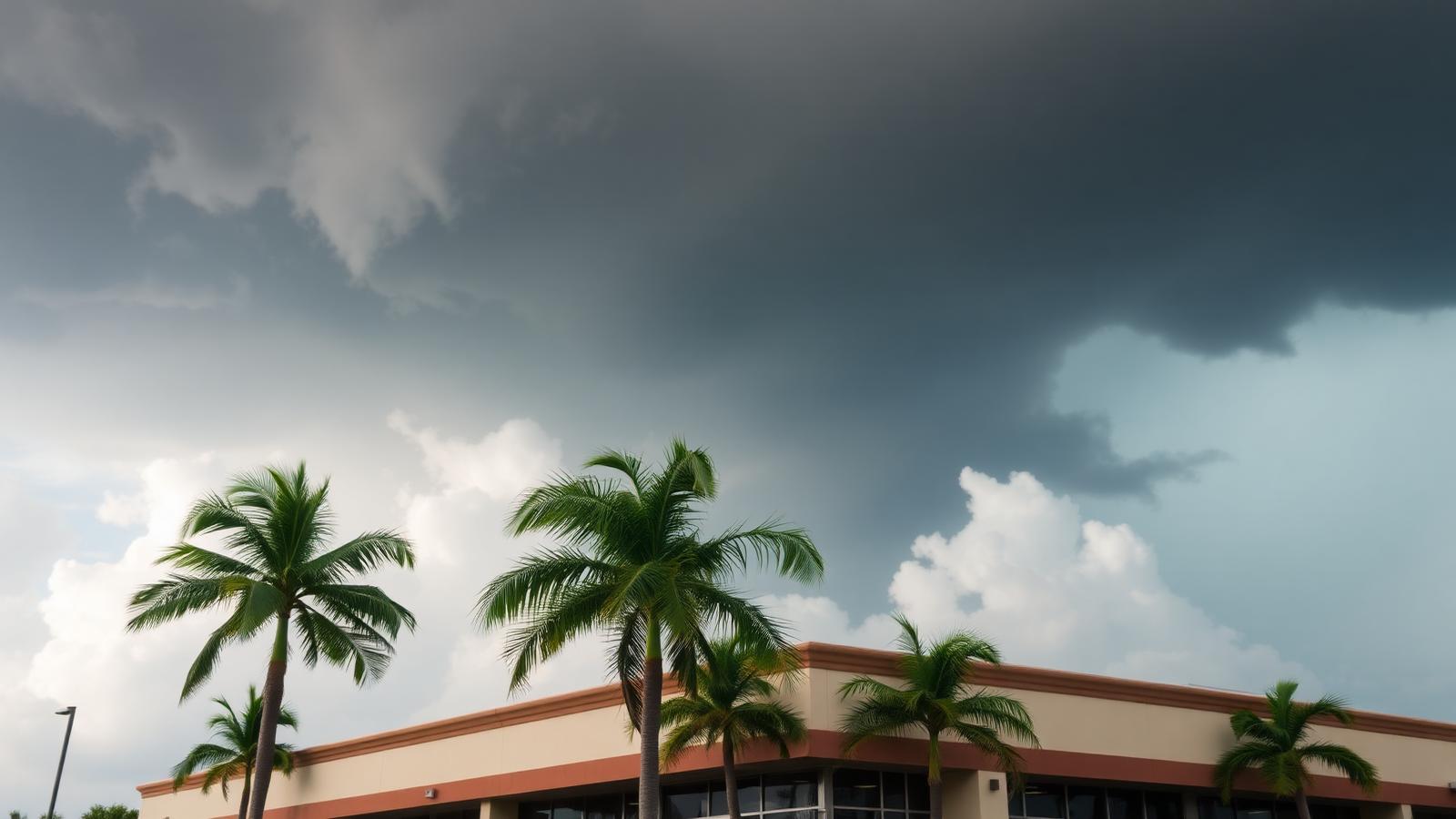
Wind uplift occurs when strong winds create a pressure differential between the air flowing over a roof and the air trapped underneath. This pressure difference can exert immense force, attempting to lift the roof system from its structure. Flat or low-slope commercial roofs are particularly susceptible to this phenomenon, especially at corners and edges where wind forces are concentrated. The older a roof, or if it was installed under less stringent codes, the more vulnerable it may be to these forces.
Building codes specify minimum wind uplift resistance values, often expressed in pounds per square foot (psf), which a roofing system must be able to withstand. These values are determined by factors such as:
- Building Height: Taller buildings experience greater wind forces.
- Building Location: Proximity to coastlines or open terrain increases exposure.
- Building Occupancy Category: Essential facilities (hospitals, emergency services) often have higher requirements.
- Roof Zone: Corners, edges, and perimeters of a roof typically require higher resistance than the field areas.
Modern roofing systems are engineered to meet these specific uplift pressures. For existing buildings, assessing your current roof's uplift resistance against new code requirements is a critical first step.
How SPF and Silicone Systems Address Wind Uplift
Spray Polyurethane Foam (SPF) and silicone roof restoration systems offer significant advantages in meeting and exceeding wind uplift requirements for commercial properties in South Florida. Their inherent properties contribute directly to enhanced resistance:
Seamless Adhesion and Monolithic Barrier
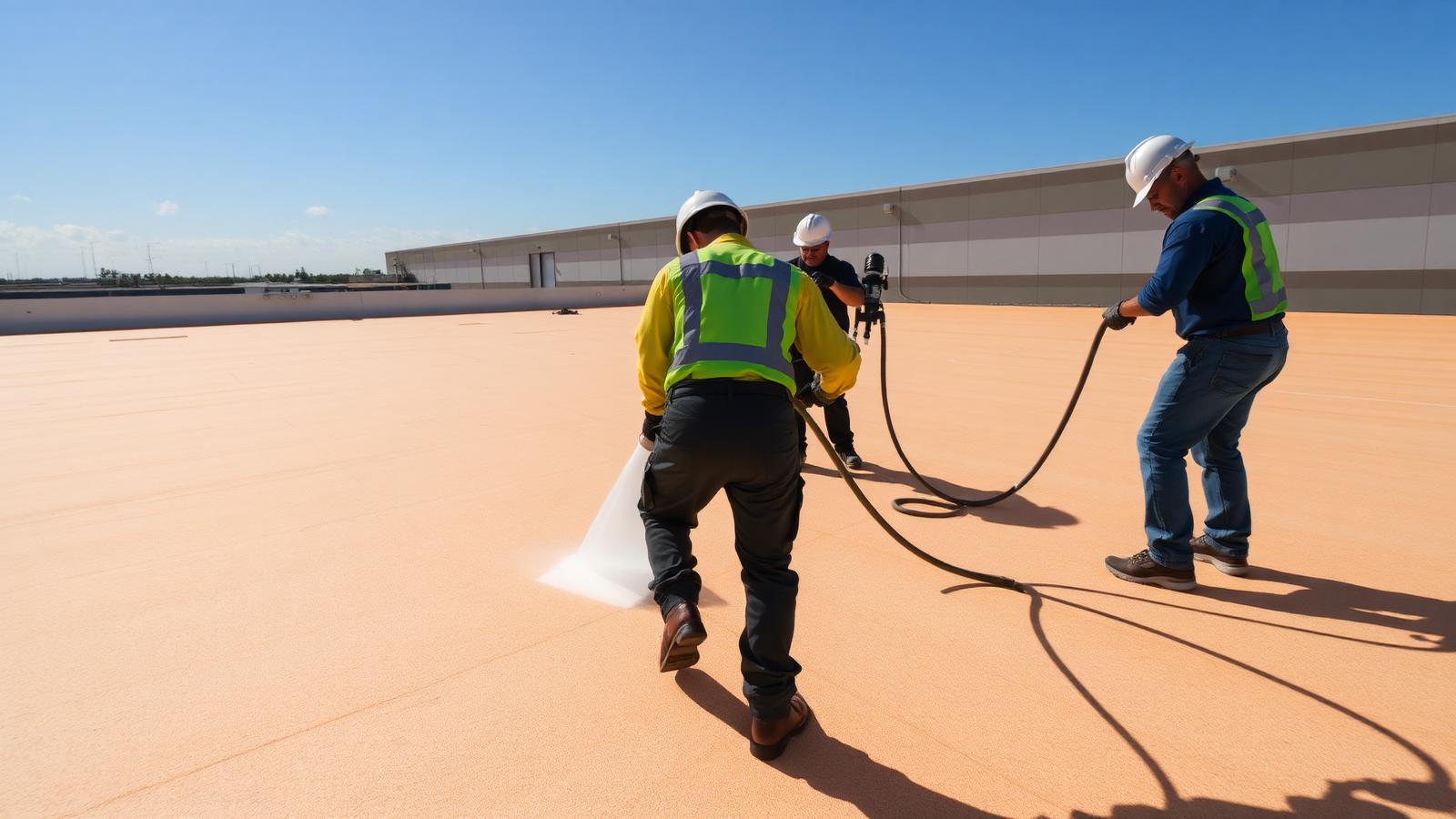
SPF roofing is spray-applied directly to the existing roof substrate, forming a seamless, monolithic layer. This strong adhesion eliminates the weak points often found in mechanically fastened or seamed roofing systems where wind can penetrate and initiate uplift. The foam effectively bonds the entire roof surface to the deck, distributing uplift forces evenly.
Silicone roof coatings, while typically applied over an existing roof membrane, also create a seamless, waterproof, and highly adherent layer. When applied correctly over a well-prepared substrate, silicone can significantly improve the wind uplift resistance of the underlying system by providing an additional layer of protection and minimizing points of entry for wind.
Durability and Flexibility
Both SPF and silicone systems are known for their durability and flexibility. They can withstand the constant expansion and contraction caused by South Florida's intense heat cycles without cracking or delaminating. This flexibility ensures that the roof system maintains its integrity and adhesion even under extreme wind loads and structural movement.
Navigating Code Compliance for Existing Buildings
For commercial buildings with existing roofs, meeting new wind uplift requirements often presents a challenge. A full tear-off and replacement can be disruptive and expensive. This is where roof restoration systems shine. In many cases, applying an SPF or silicone system can bring an existing roof up to current code standards for wind uplift without the need for a complete removal.
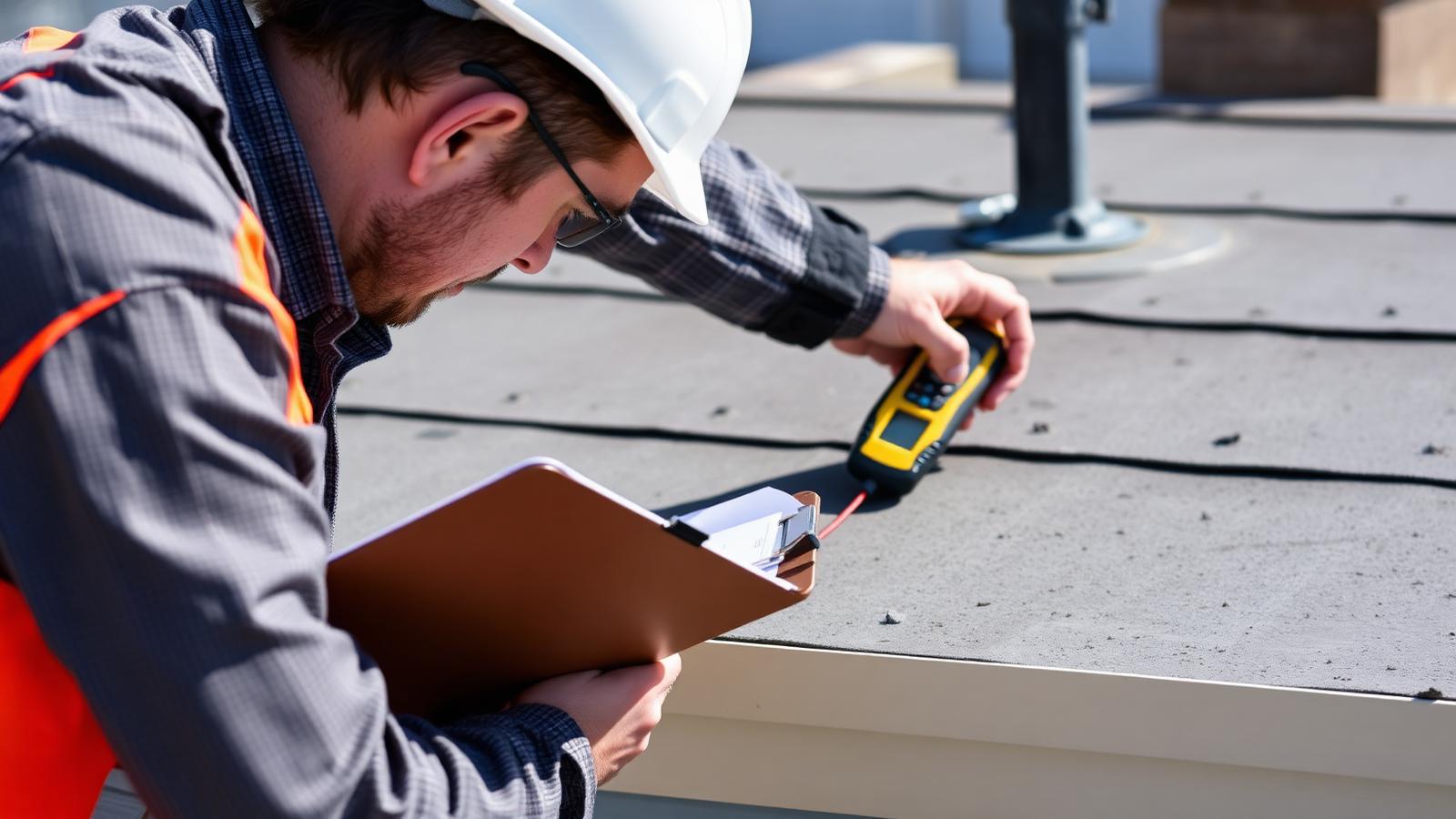
When considering a restoration, a thorough roof assessment is crucial. This assessment should identify:
- The existing roof's condition and structural integrity.
- Any areas of damage or weakness that need repair.
- The current roof's estimated wind uplift resistance.
- The specific wind uplift requirements for your building's location and characteristics under the latest Florida Building Code.
Based on this assessment, a tailored SPF or silicone restoration plan can be developed to ensure compliance. This might involve additional fastening of the existing substrate before coating, or specific application techniques to maximize adhesion and uplift resistance.
The Role of Professional Installation and Testing
Meeting stringent wind uplift requirements demands expert installation. The performance of SPF and silicone systems is highly dependent on proper surface preparation, correct material application, and adherence to manufacturer specifications. Experienced roofing contractors understand the nuances of these systems and the local building codes.
Furthermore, some projects may require third-party testing to verify wind uplift resistance. This can include:
- Uplift Testing: Involves applying controlled suction to a small section of the roof to measure its resistance.
- Adhesion Testing: Ensures the SPF or silicone is properly bonded to the substrate.
Reputable commercial roofing companies will be familiar with these testing protocols and can help facilitate them to ensure your roof meets all necessary certifications. Investing in professional installation and, where necessary, testing, provides peace of mind and documented compliance.
Insurance Implications and Long-Term Benefits
Meeting or exceeding current wind uplift requirements can have positive implications for your commercial property insurance. Insurers are increasingly looking for evidence of robust building envelopes, especially in hurricane-prone regions like South Florida. A roof system designed and installed to withstand higher wind loads may qualify for lower premiums or more favorable policy terms.
Beyond insurance, the long-term benefits include:
- Reduced Risk of Damage: A compliant roof is less likely to suffer catastrophic failure during a hurricane.
- Extended Roof Lifespan: A well-adhered, durable system protects the underlying structure.
- Fewer Repairs: Stronger resistance to wind means less wear and tear from everyday storms and gusty conditions.
- Increased Property Value: A resilient roof is an asset, enhancing the overall value of your commercial property.
For commercial property owners and managers in South Florida, staying ahead of evolving wind uplift requirements is not optional. It’s a strategic decision that protects assets, ensures business continuity, and optimizes operational costs. Evaluate your current roofing system against the latest codes and consider the advanced protection offered by SPF and silicone restoration. Our team specializes in helping South Florida businesses navigate these complex requirements. Request a free roof assessment today to understand your building's specific needs and ensure your roof is ready for whatever the weather brings.
Free assessment
Free Commercial Roof Assessment
Licensed & insured Florida commercial roofing. Spray foam and silicone restoration across South Florida — no pressure, no cost.