Commercial property owners and managers in South Florida face unique challenges: intense heat, frequent heavy rain, high humidity, and the constant threat of hurricanes. When it comes to roofing, a system must not only withstand these elements but also contribute to the building's overall energy efficiency and longevity. This is where spray polyurethane foam (SPF) roofing stands out, thanks to its sophisticated material science.
The core advantage of SPF roofing lies in its ability to create a monolithic, self-flashing, and highly insulating layer directly on the existing roof substrate.
What is Spray Polyurethane Foam (SPF)?
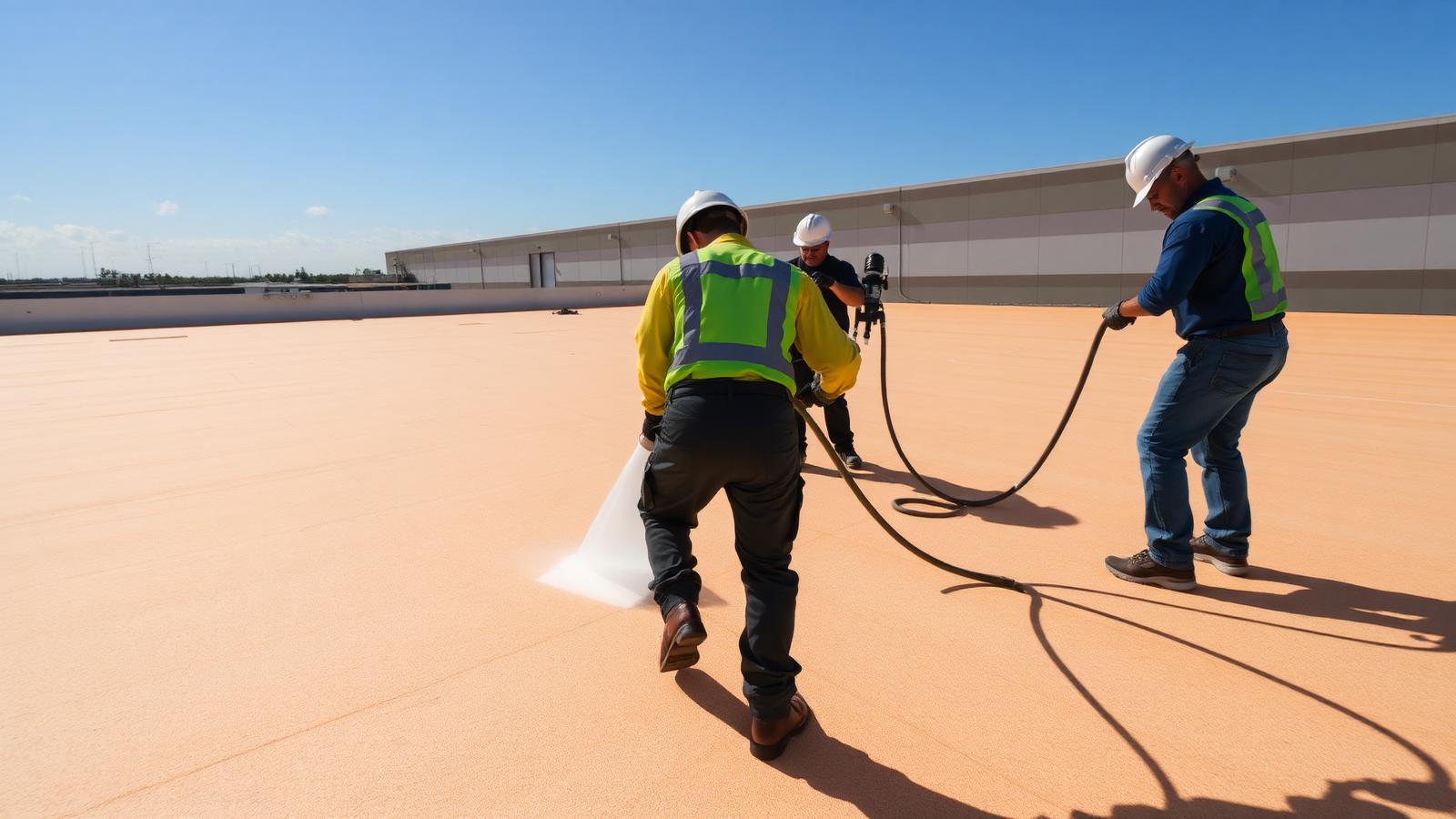
SPF is not merely a coating; it's a fully adhered roofing and insulation system. It's formed by mixing two liquid components, an isocyanate (A-side) and a polyol blend (B-side), at the spray gun nozzle. This reaction creates an expanding foam that adheres to the substrate, cures rapidly, and forms a durable, seamless layer. The 'polyurethane' part refers to the polymer structure, which is characterized by urethane linkages, giving it strength and flexibility. The 'foam' aspect comes from the blowing agents in the B-side that cause the mixture to expand and create a closed-cell structure.
The Closed-Cell Structure: A Material Science Marvel
The most critical material science characteristic of SPF for roofing applications is its closed-cell structure. As the foam expands, tiny, discrete cells form, trapping gas within. These cells are sealed off from each other, preventing water from penetrating the foam and minimizing air movement through the material. This is crucial for several reasons:
- Superior Thermal Insulation: The trapped gas within the closed cells is a poor conductor of heat. This gives SPF an exceptionally high R-value (a measure of thermal resistance) per inch compared to most other insulation materials. For South Florida buildings, this means significantly reduced heat transfer from the scorching sun into the building interior, leading to lower air conditioning loads and substantial energy savings.
- Water Resistance: Because the cells are closed, SPF is inherently resistant to water absorption. This is vital in a climate with heavy rainfall and high humidity. Unlike open-cell foams, which can act like a sponge, closed-cell SPF sheds water, protecting the underlying structure from leaks and moisture damage.
- Structural Stability: The dense, rigid nature of closed-cell foam contributes to its structural integrity. It can withstand foot traffic and minor impacts without compromising its insulating or waterproofing properties.
Adhesion and Seamlessness: Eliminating Vulnerabilities
One of the most significant material science advantages of SPF is its exceptional adhesion. When properly applied, SPF bonds tenaciously to almost any clean, dry substrate, including concrete, metal, modified bitumen, and existing single-ply membranes. This strong bond eliminates the need for mechanical fasteners, which can create thermal bridges and potential leak points.
Furthermore, SPF is applied as a liquid, conforming to the roof's contours, flashing, and penetrations. As it cures, it forms a truly monolithic, seamless membrane. Traditional roofing systems rely on seams, which are often the first points of failure due to thermal expansion and contraction, UV degradation, or poor installation. The absence of seams in an SPF system drastically reduces the potential for leaks, offering superior waterproofing performance over the roof's entire surface.
Reflectivity and UV Protection: The Role of Topcoats
While the SPF foam itself provides insulation and waterproofing, it's typically protected by a topcoat, usually a silicone or acrylic elastomeric coating. This topcoat is not just an aesthetic finish; it's an integral part of the system's performance, particularly in South Florida.
- UV Resistance: Polyurethane foam, while durable, can degrade under prolonged exposure to ultraviolet (UV) radiation from the sun. The elastomeric topcoat acts as a sacrificial layer, shielding the foam from UV rays. Silicone coatings, in particular, are known for their excellent UV stability and resistance to chalking and degradation over time.
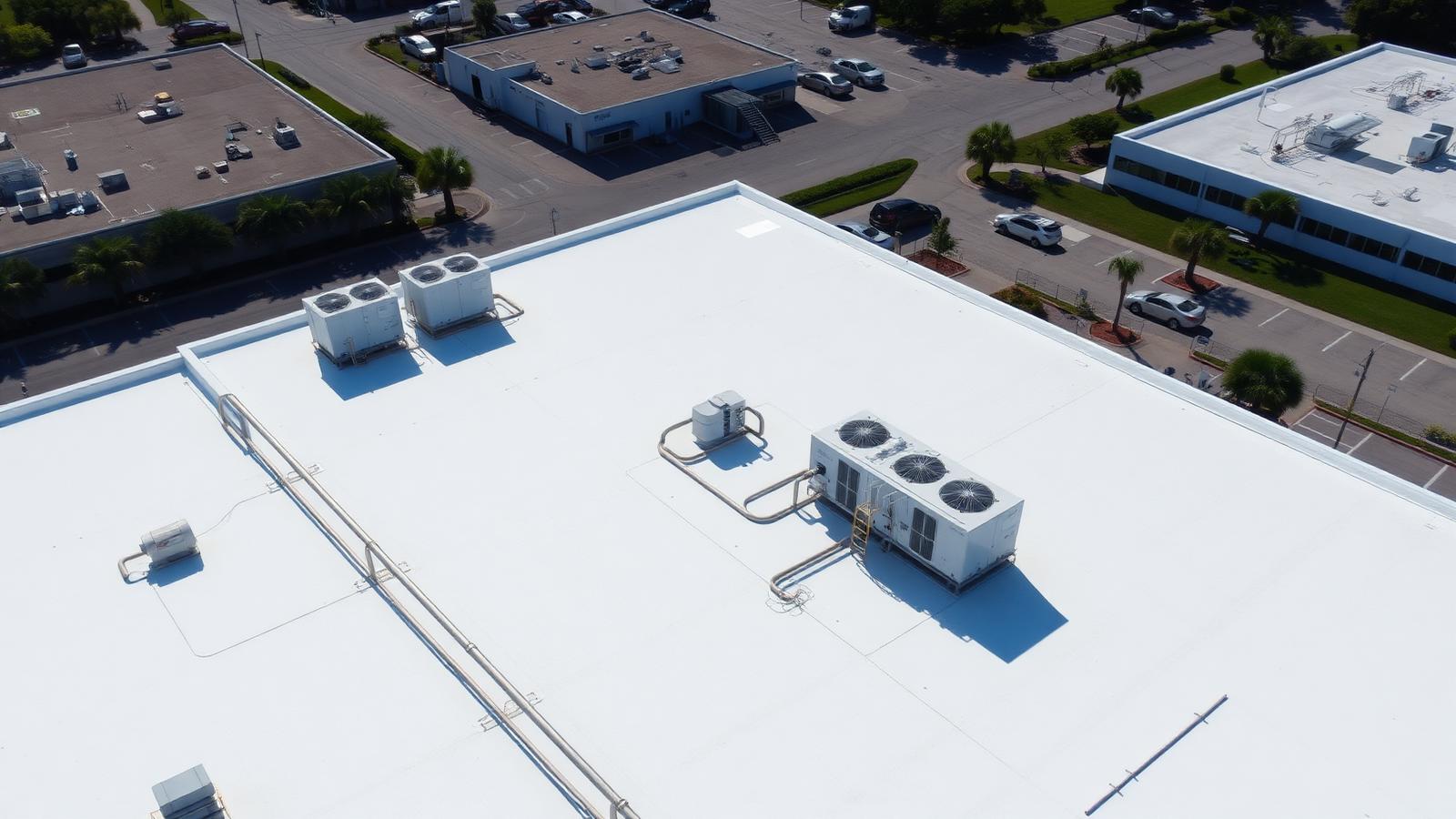
- Reflectivity (Cool Roof Properties): High-quality elastomeric topcoats are formulated with reflective pigments, often titanium dioxide, which have a high solar reflectance index (SRI). This means they reflect a significant portion of the sun's infrared and UV radiation, rather than absorbing it as darker roofs do. By reflecting sunlight, these 'cool roofs' keep the roof surface temperature much lower, further reducing the heat load on the building and contributing to energy savings. The science here involves the coatings' ability to reflect short-wave radiation and efficiently emit long-wave radiation, keeping the surface cooler.
Durability and Longevity in a Challenging Climate
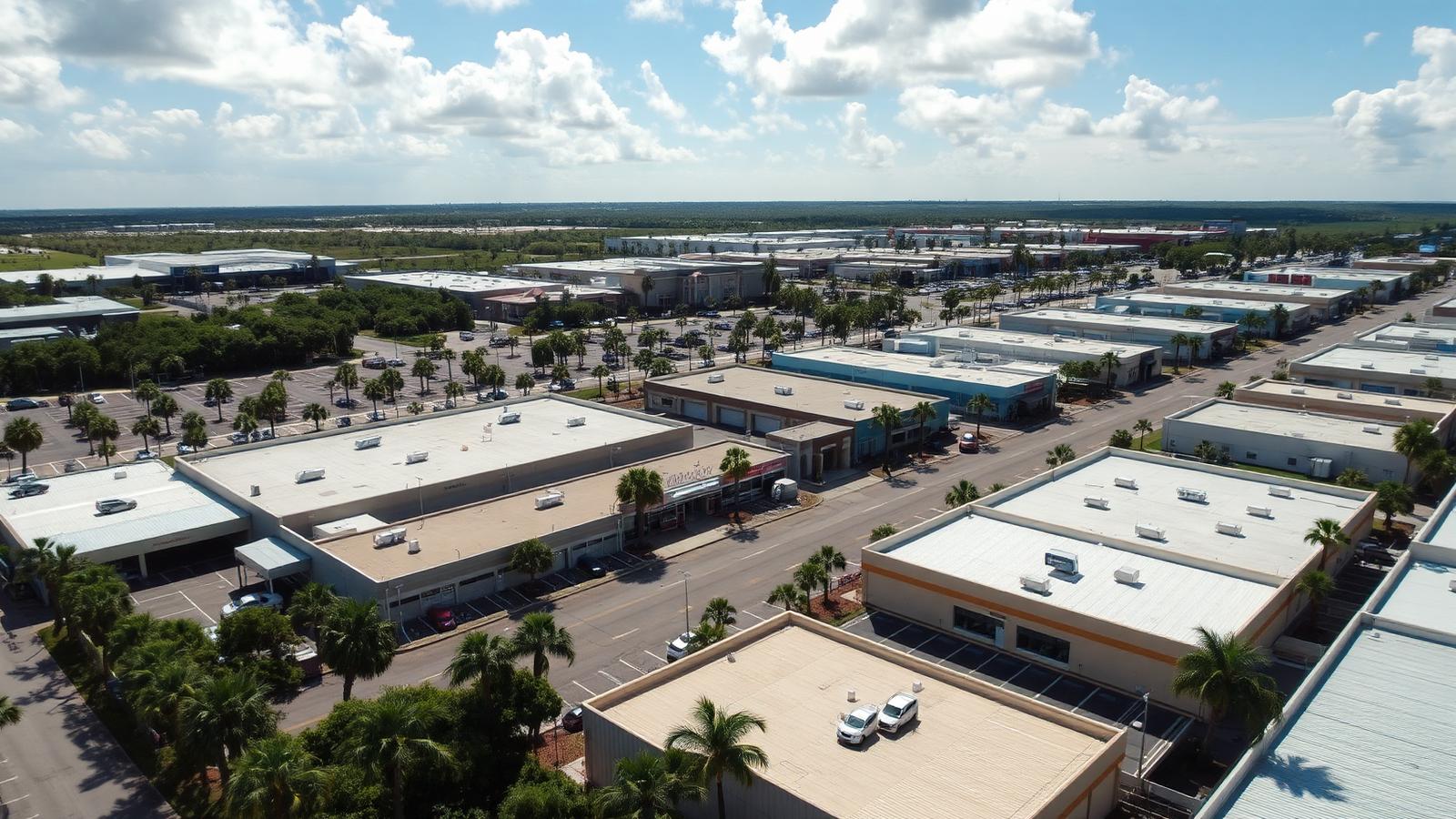
The combined material science properties of SPF—closed-cell insulation, seamless application, superior adhesion, and protective, reflective topcoats—contribute to its remarkable durability and longevity, especially in South Florida's harsh environment.
- Hurricane Resistance: The monolithic, fully adhered nature of SPF makes it highly resistant to wind uplift, a critical factor during hurricanes. Without seams or mechanical fasteners to fail, the entire roof system acts as one integrated unit, often outperforming other systems in high-wind events.
- Thermal Shock Resistance: The flexibility and elasticity of the foam and its topcoat allow the system to expand and contract with temperature fluctuations without cracking or delaminating, providing long-term performance under extreme heat cycles.
- Repairability and Renewability: Unlike many other roofing systems that require complete tear-off, an SPF roof can be repaired by simply cutting out damaged sections, re-spraying foam, and applying a new topcoat. When the original topcoat reaches the end of its service life (typically 15-20 years), a new layer of silicone or acrylic coating can be applied directly over the existing, cleaned SPF, effectively renewing the roof's warranty and extending its life indefinitely without significant waste.
Environmental Benefits Rooted in Science
Beyond performance, SPF offers environmental advantages. Its high insulation value directly translates to reduced energy consumption and lower carbon emissions from HVAC systems. The ability to install SPF over existing roofs often eliminates the need for costly and wasteful tear-offs, reducing landfill waste. Its long lifespan and renewability further underscore its sustainable profile.
In conclusion, the material science behind spray polyurethane foam roofing makes it an exceptionally well-suited solution for commercial properties in South Florida. Its closed-cell structure provides superior insulation and water resistance, while its seamless application and strong adhesion offer unparalleled waterproofing and wind uplift resistance. Combined with reflective, UV-stable topcoats, SPF systems deliver energy efficiency, leak protection, and long-term durability that are hard to match. For a roof that can truly stand up to South Florida's climate challenges, understanding the science of SPF is key to making an informed decision.
Considering an SPF roofing system for your commercial property? Understanding its benefits is the first step. The next is to see how it can be specifically applied to your building. Request a free roof assessment from Roof King to evaluate your current roof and discuss how an SPF system can benefit your operations.
Related reading
Free assessment
Free Commercial Roof Assessment
Licensed & insured Florida commercial roofing. Spray foam and silicone restoration across South Florida — no pressure, no cost.