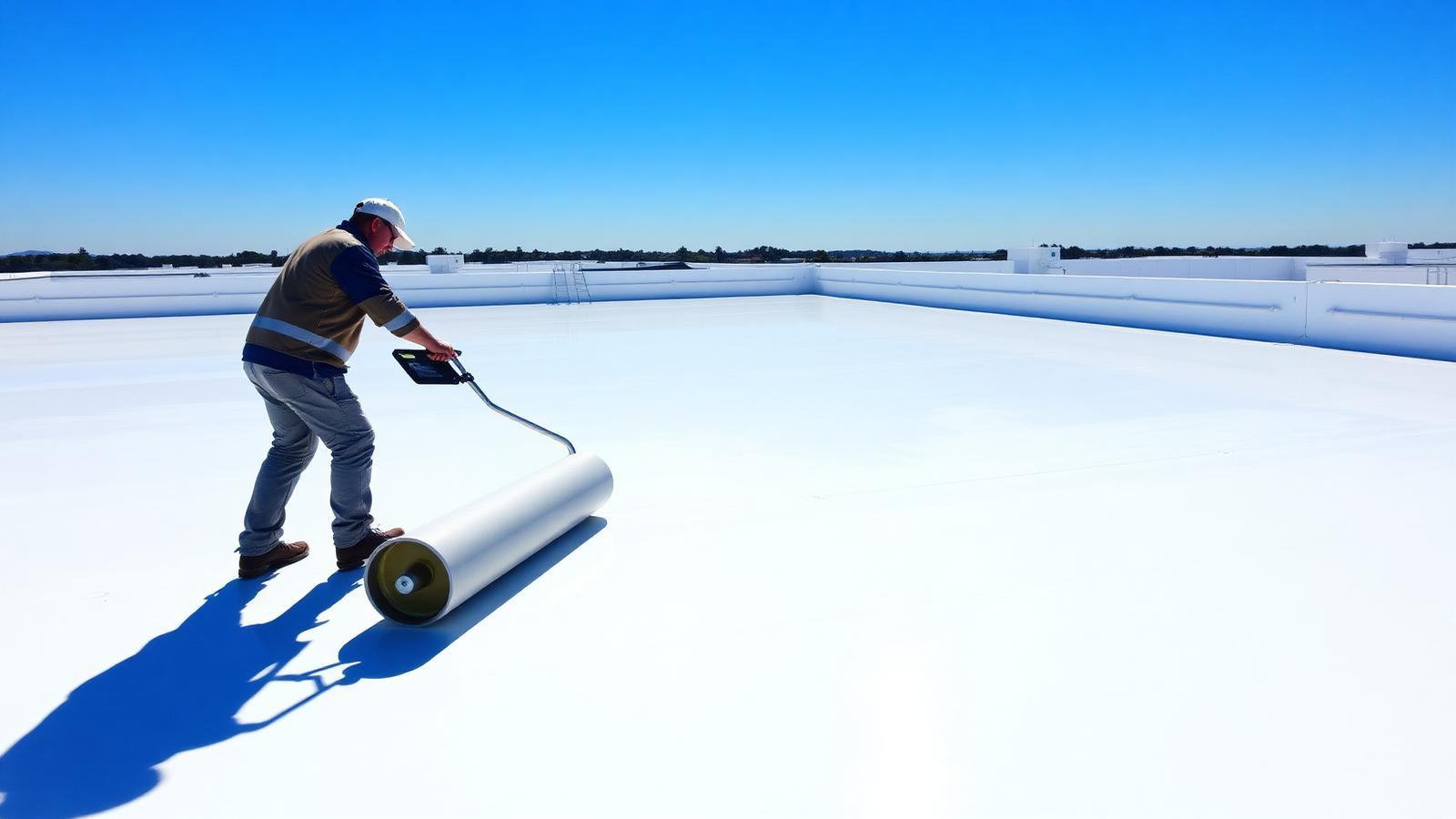
Commercial property owners and managers in South Florida face a dynamic regulatory landscape, particularly concerning building codes. With the region's unique climate and hurricane exposure, these codes are not static; they evolve to incorporate the latest in building science and resilience. For 2026, several key areas of the Florida Building Code (FBC) are seeing updates that directly impact commercial roofing projects, from new construction to major renovations and roof restorations.
Staying informed about the latest South Florida commercial roof code updates is essential for ensuring your property's compliance, longevity, and insurability.
Understanding the Florida Building Code and Its Evolution
The Florida Building Code is one of the most robust and frequently updated statewide codes in the United States, primarily due to the state's vulnerability to hurricanes. It is designed to safeguard public health, safety, and general welfare through structural integrity, energy efficiency, and wind resistance. Commercial roofing systems, being the primary protective barrier against the elements, are always a focal point of these code revisions.
Historically, each cycle of FBC updates has brought increasingly stringent requirements for wind uplift resistance, material durability, and installation practices. These changes are not arbitrary; they are driven by post-hurricane assessments, advancements in roofing technology, and a continuous effort to minimize property damage and loss. For commercial properties, compliance is not just about avoiding fines; it's about protecting significant investments and ensuring business continuity.
Key Areas of Commercial Roof Code Updates for 2026
While specific final language is always subject to public review and legislative processes, trends suggest updates focusing on enhanced wind resistance, material performance, and energy efficiency. For commercial roofing, this typically translates to:
- Increased Wind Uplift Requirements: Expect continued emphasis on stronger fastening patterns, improved adhesive technologies, and potentially higher design pressures for various roof zones. This is particularly relevant for low-slope commercial roofs common in South Florida.
- Material Performance Standards: Codes may introduce updated testing protocols for roofing materials, ensuring they meet minimum durability and weatherization standards under extreme conditions. This could impact the specifications for SPF and silicone coatings, requiring products with proven performance in high-wind and UV-intensive environments.
- Energy Efficiency Mandates: The FBC often integrates updates from ASHRAE standards, pushing for better thermal performance. Cool roof technologies, like reflective silicone coatings, which are already popular, may see further incentivization or stricter application requirements to reduce energy consumption.
- Permitting and Inspection Intensification: With increased complexity in code requirements, local jurisdictions may implement more detailed permitting processes and more rigorous inspection protocols to ensure compliance throughout the project lifecycle.
Impact on Commercial Spray Polyurethane Foam (SPF) Roofing Systems
Spray Polyurethane Foam (SPF) roofing systems are highly valued in South Florida for their seamless, monolithic nature, excellent insulation properties, and inherent wind resistance. These characteristics align well with the FBC's goals for resilience and energy efficiency. The anticipated code updates for 2026 are likely to reinforce the benefits of SPF while demanding strict adherence to application standards.
- Enhanced Adhesion and Substrate Preparation: The code's focus on wind uplift will emphasize the critical importance of proper substrate preparation and the adhesion of SPF to the existing roof deck or substrate. Applicators must demonstrate strict adherence to manufacturer specifications and best practices to achieve the required bond strength.
- Minimum Thickness and Density: While SPF's insulating properties are well-known, codes may specify minimum thickness or density requirements to meet both thermal performance and structural integrity standards, especially in high-wind zones.
- Protective Coatings: The FBC already recognizes the need for protective coatings over SPF. Updates may refine requirements for the type, thickness, and UV stability of elastomeric coatings, such as silicone, to ensure long-term performance and weather resistance.
SPF roofing, when installed correctly by certified professionals, inherently meets and often exceeds many of the FBC's stringent requirements. Its seamless nature eliminates many common points of failure found in traditional membrane systems, making it a robust choice for hurricane-prone regions.
Implications for Silicone Roof Restoration Projects
Silicone roof restoration systems offer a cost-effective and sustainable solution for extending the life of existing commercial roofs. They are particularly attractive in South Florida due to their reflectivity (cool roof properties) and ability to withstand extreme weather. The 2026 code updates will likely reinforce best practices for these systems.
- Substrate Compatibility and Preparation: Code revisions will continue to emphasize thorough assessment and preparation of the existing roof substrate before applying a silicone coating. This includes repairing all deficiencies, ensuring proper adhesion, and addressing moisture issues. Improper preparation is a leading cause of coating failure.
- Material Specifications: The FBC may update standards for silicone coating materials themselves, focusing on their elongation, tensile strength, and UV resistance to ensure they can withstand South Florida's intense sun and dynamic weather conditions over their service life.
- Warranty and Manufacturer Requirements: Expect codes to emphasize the importance of manufacturer-approved application procedures and potentially require longer-term warranties to ensure the quality and longevity of restored roof systems.
- Cool Roof Compliance: Silicone's high reflectivity contributes significantly to energy efficiency. The code may further integrate and refine requirements for solar reflectance and thermal emittance for roof surfaces, making silicone coatings an even more critical component of compliant building envelopes.
Silicone roof restoration is an excellent option for commercial buildings looking to comply with energy efficiency mandates and extend roof life without a full tear-off, provided the underlying roof structure is sound and all code requirements for restoration are met.
The Importance of Professional Expertise and Permitting
Navigating the nuances of the Florida Building Code requires specialized knowledge. Attempting to undertake commercial roofing projects without a thorough understanding of the current code, or without proper permitting, can lead to significant issues, including stop-work orders, fines, and the potential for unsafe or non-compliant installations.
- Engaging Licensed Contractors: Always work with a licensed and insured commercial roofing contractor who is intimately familiar with the latest FBC updates and local amendments. They can guide you through the complexities of material selection, design specifications, and installation practices.
- Proper Permitting: Every commercial roofing project, whether a new installation, a re-roof, or a major restoration, requires a permit. This process ensures that plans meet code requirements and that installations are inspected at various stages. Skipping this step is a direct path to non-compliance and potential legal issues.
- Design and Engineering: For larger or more complex commercial roofs, engineering reviews and stamped drawings may be required to demonstrate compliance with wind uplift and structural integrity standards. A reputable contractor will facilitate this process.
Preparing Your Commercial Property for 2026 Code Changes
Proactive planning is key to minimizing disruption and cost when code changes come into effect. Here’s how commercial property owners and managers can prepare:
- Review Your Current Roof's Condition: Understand the age, condition, and current code compliance of your existing roof. An assessment can identify potential vulnerabilities that new codes might address.
- Consult with Experts: Engage with experienced commercial roofing professionals who specialize in SPF and silicone systems and stay current with FBC updates. They can provide insights specific to your property.
- Budget for Compliance: Factor in potential costs associated with meeting new code requirements when planning future roof maintenance, repair, or replacement projects. Investing in compliant, resilient roofing is an investment in your property's long-term value.
- Consider Sustainable Solutions: SPF and silicone roof systems often exceed basic code requirements for energy efficiency and durability, offering long-term benefits that align with evolving sustainability goals.
Staying ahead of South Florida's commercial roof code updates for 2026 is not just about compliance; it's about safeguarding your assets, enhancing energy efficiency, and ensuring the long-term resilience of your commercial property against the region's demanding climate.
The landscape of commercial roofing in South Florida is constantly evolving, driven by the need for greater resilience and efficiency. The anticipated 2026 Florida Building Code updates will further refine requirements for wind resistance, material performance, and sustainable practices. For commercial property owners and managers, partnering with knowledgeable and experienced roofing professionals like Roof King is crucial. We specialize in advanced SPF and silicone roof restoration systems that are designed to meet and exceed the most stringent code requirements. Don't wait for a problem to arise; ensure your commercial roof is ready for the future. Contact Roof King today to schedule a free, no-obligation roof assessment and discuss how the upcoming code changes may impact your property. We serve all of South Florida, from Pompano Beach and beyond.
Related reading
Free assessment
Free Commercial Roof Assessment
Licensed & insured Florida commercial roofing. Spray foam and silicone restoration across South Florida — no pressure, no cost.