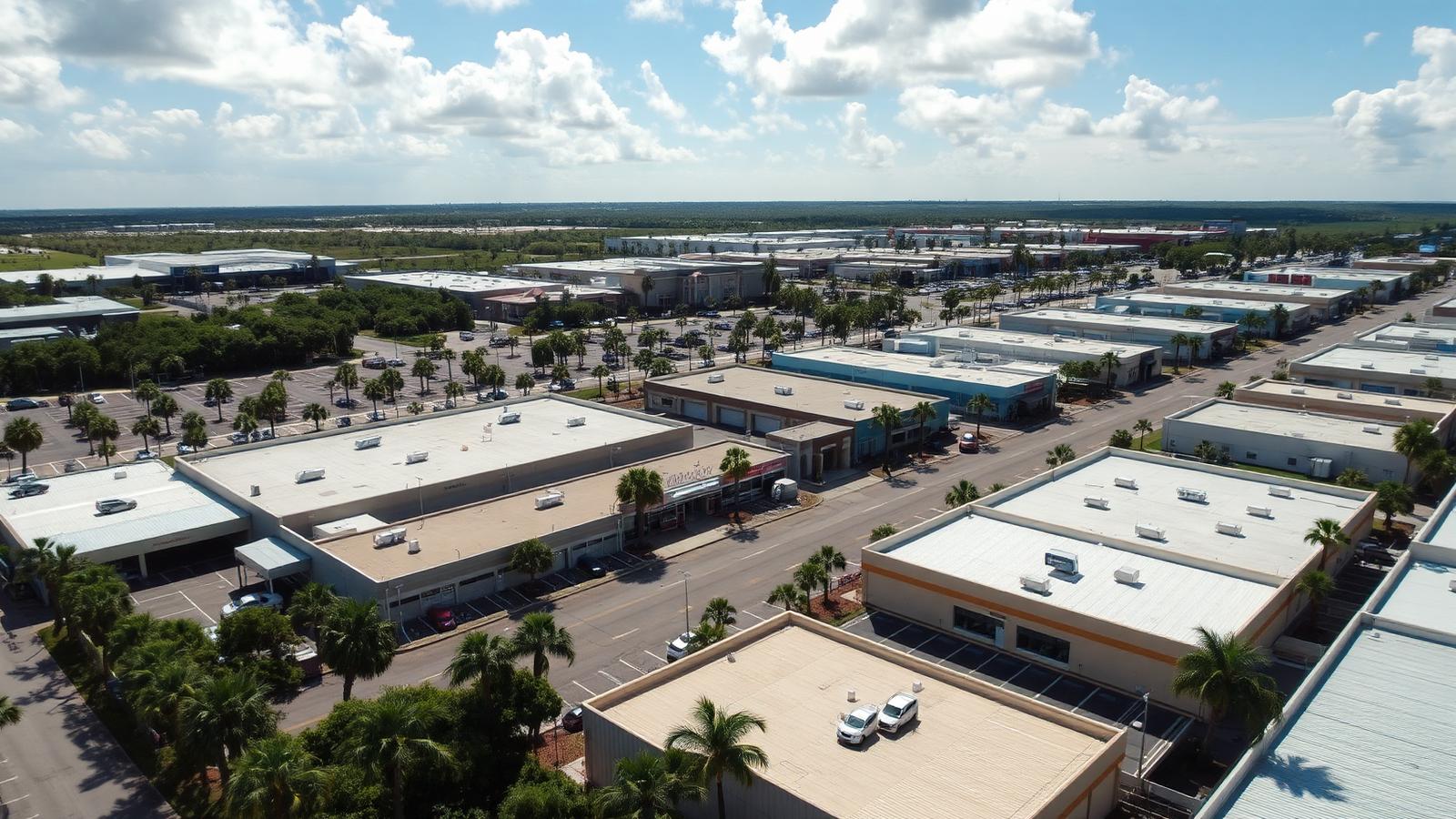
South Florida's climate is notoriously harsh on commercial flat roofs. High humidity, intense UV radiation, heavy rainfall, and the constant threat of tropical storms and hurricanes create a demanding environment that can significantly shorten a roof's lifespan if not properly managed. For property managers, understanding these unique challenges and implementing proactive strategies is crucial for protecting assets, minimizing operational disruptions, and controlling costs.
Proactive maintenance and timely restoration are paramount for commercial flat roofs in South Florida to withstand the region's severe weather and prolong their service life.
Understanding South Florida's Impact on Flat Roofs
The specific environmental factors in South Florida accelerate roof degradation in ways not typically seen in other regions. It's not just about rain; it's the combination of elements.
- Intense UV Radiation: The year-round sun in South Florida bombards roof membranes, leading to material breakdown, cracking, and chalking over time. This UV exposure can degrade traditional asphalt-based roofs and even some single-ply membranes.
- High Humidity and Heat: Constant high temperatures and humidity create an ideal environment for mold, mildew, and algae growth, which can trap moisture and compromise roof integrity. Heat also causes materials to expand and contract repeatedly, stressing seams and flashing.
- Heavy Rainfall and Standing Water: While flat roofs are designed to drain, South Florida's torrential downpours can overwhelm drainage systems, leading to ponding water. This standing water accelerates deterioration, promotes vegetation growth, and can find even the smallest entry points to cause leaks.
- Tropical Storms and Hurricanes: Wind uplift, flying debris, and extreme pressure changes during hurricanes can cause catastrophic damage, tearing off membranes, dislodging flashing, and compromising the entire roof system. Proper adherence and robust perimeter fastening are critical.
These factors collectively mean that a 'set it and forget it' approach to commercial roofing in South Florida is not viable. Regular, informed attention is required.
The Importance of Regular Roof Inspections
For South Florida property managers, a consistent inspection schedule is your first line of defense. These inspections should go beyond a casual glance.
What to Look For During Inspections
- Ponding Water: Any areas where water stands for more than 48 hours after rain indicate drainage issues or structural sagging that needs addressing.
- Cracks, Blisters, and Alligatoring: These are signs of membrane degradation due to UV exposure and thermal cycling. Cracks can be entry points for water.
- Seam Separation and Flashing Issues: The edges and penetrations (vents, HVAC units) are common failure points. Look for gaps, tears, or loose flashing where water can infiltrate.
- Vegetation Growth: Moss, algae, or even small plants growing on the roof indicate trapped moisture and organic material buildup that can damage the membrane.
- Debris Accumulation: Leaves, branches, and trash can clog drains and trap moisture, leading to premature wear and tear.
- HVAC and Other Equipment Damage: Ensure service technicians don't inadvertently damage the roof membrane during maintenance. Check for dropped tools or foot traffic damage.
Recommended Inspection Frequency
Ideally, commercial flat roofs in South Florida should be inspected at least twice a year (spring and fall) and immediately following any significant weather event, such as a tropical storm or hurricane. More frequent checks may be necessary for older roofs or properties with heavy rooftop equipment.
Proactive Maintenance Strategies
Beyond inspections, a proactive maintenance plan can extend roof life significantly and defer costly replacements.
Gutter and Drain Maintenance
Keeping gutters, scuppers, and drains clear of debris is paramount. Clogged drains are the primary cause of ponding water, which, as mentioned, is detrimental to flat roofs. Regular cleaning, especially before and after the rainy season, prevents water buildup and ensures efficient drainage.
Minor Repair and Seam Management
Addressing small issues before they escalate is a cost-saving measure. Minor cracks, small blisters, or early seam separations can often be repaired with appropriate patching materials or sealants. Ignoring these leads to water infiltration, which can cause extensive damage to insulation and the building's interior structure.
Vegetation and Debris Removal
Regularly remove any accumulated leaves, branches, dirt, or other debris. This not only prevents drainage issues but also reduces the growth of organic matter that can degrade the roof surface. Take care not to damage the roof membrane during cleaning.
When to Consider Roof Restoration
Eventually, even with meticulous maintenance, a roof will show signs of significant wear. However, outright replacement is not always the first or best option, especially for commercial flat roofs.
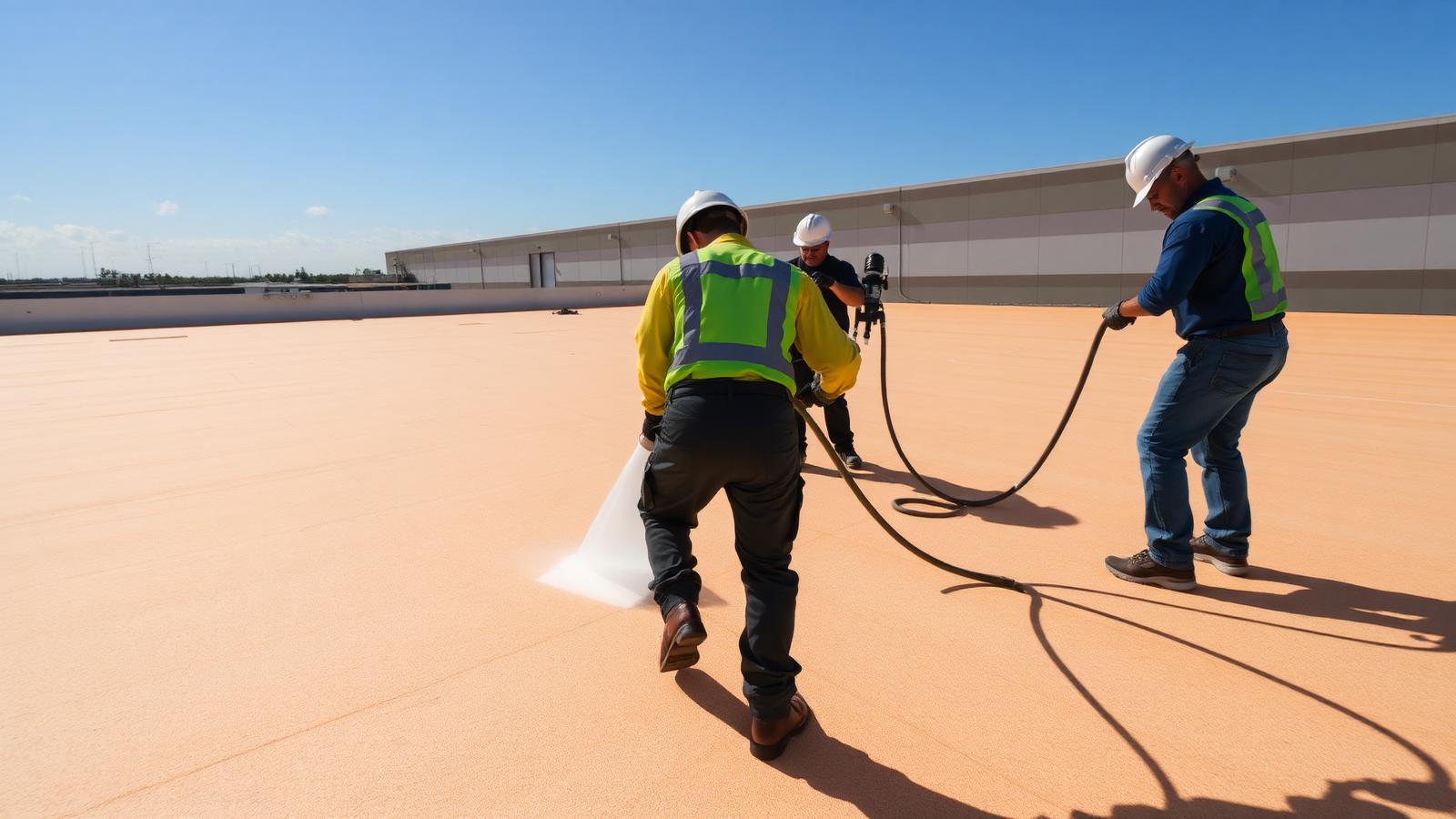
The Benefits of Spray Polyurethane Foam (SPF) and Silicone Roof Restoration
Roof restoration, particularly using SPF and silicone coatings, offers compelling advantages for commercial flat roofs in South Florida.
- Cost-Effective: Restoration is typically 30-50% less expensive than a full roof replacement, saving significant capital.
- Seamless and Watertight: SPF and silicone coatings create a monolithic, seamless barrier over the existing roof, eliminating the most common points of failure (seams and penetrations).
- Energy Efficiency: Both SPF and silicone are highly reflective and insulating. This significantly reduces heat absorption, lowering cooling costs for your building. SPF, in particular, offers excellent R-value, further enhancing insulation.
- Extended Lifespan: A properly applied restoration system can add 10-20 years or more to a roof's life, delaying the need for a complete tear-off.
- Minimal Disruption: Restoration projects are generally less disruptive to business operations than tear-off replacements, as they don't involve heavy demolition or extended periods of open roof exposure.
- Sustainable: Restoration diverts old roofing material from landfills, contributing to environmental sustainability.
Identifying the Right Time for Restoration
Restoration is ideal for roofs that are structurally sound but show signs of surface wear, minor leaks, or aging membranes. If the roof deck is severely compromised or there's widespread water saturation of the insulation, a full replacement might be necessary. A professional roof assessment can accurately determine the best course of action.
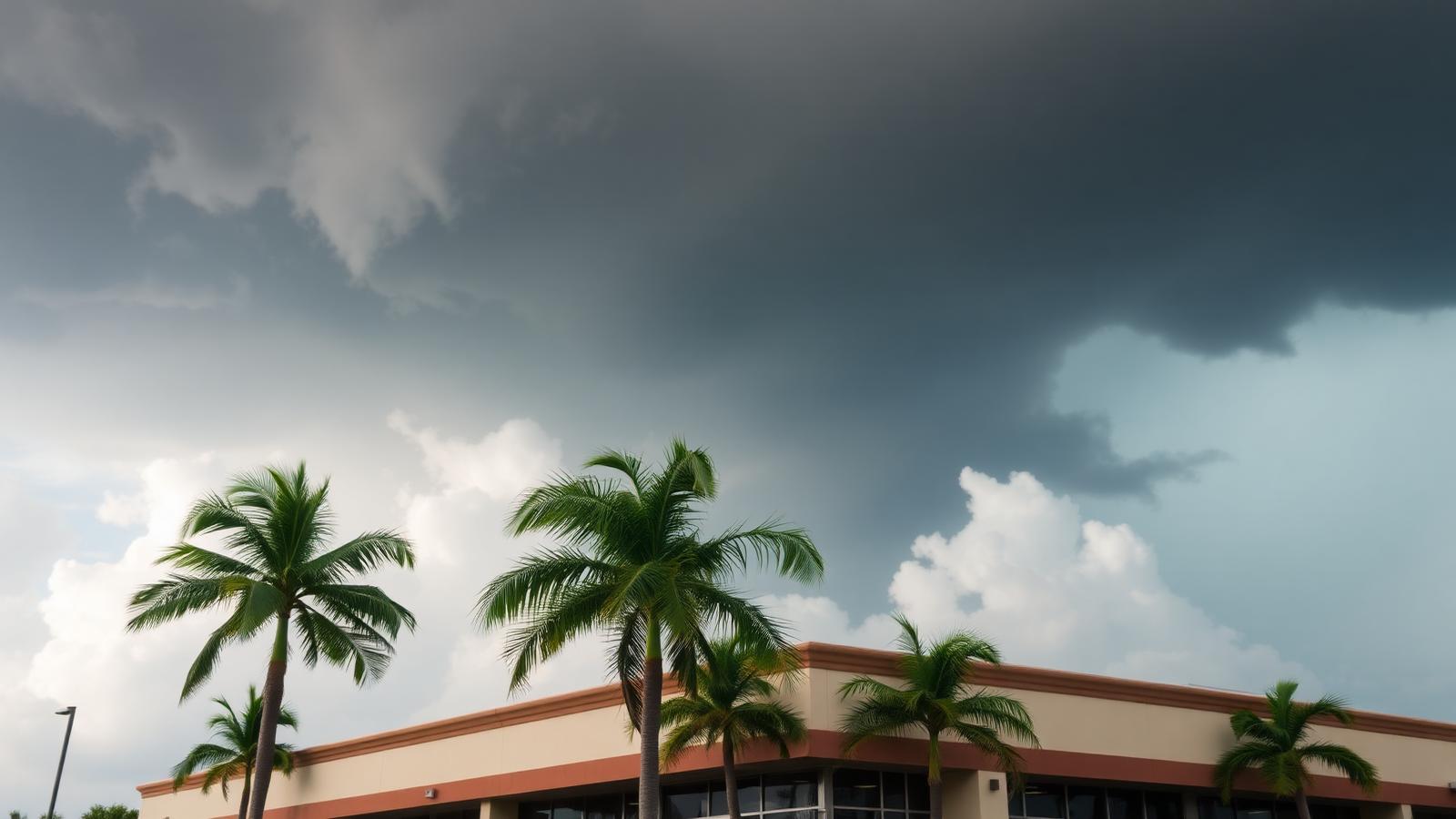
Hurricane Preparedness for Commercial Flat Roofs
South Florida property managers must integrate hurricane preparedness into their roof management strategy.
- Pre-Season Inspections: Conduct a thorough roof inspection before hurricane season (June 1st). Address any loose flashing, compromised seams, or clogged drains.
- Secure Rooftop Equipment: Ensure all HVAC units, solar panels, and other rooftop equipment are securely fastened to the roof deck to prevent them from becoming projectiles.
- Clear Debris: Remove any loose debris from the roof surface and surrounding areas that could become airborne during high winds.
- Review Emergency Plans: Have a clear plan for post-storm assessment and emergency repairs. Know who to call and have contracts in place if possible.
- Document Condition: Take photos or videos of the roof's condition before a storm. This can be invaluable for insurance claims if damage occurs.
Choosing the Right Roofing Partner
Selecting a reputable and experienced commercial roofing contractor is critical, especially in South Florida. Look for companies with:
- Local Experience: They should understand South Florida's unique climate and building codes.
- Proven Track Record: Ask for references and case studies of similar projects.
- Expertise in Restoration: Ensure they specialize in SPF and silicone restoration if that's your preferred solution.
- Comprehensive Warranties: Understand the warranty terms for both materials and workmanship.
- Safety Standards: Verify their commitment to safety on job sites.
Effective management of commercial flat roofs in South Florida requires a proactive, informed, and strategic approach. By prioritizing regular inspections, implementing consistent maintenance, and considering advanced restoration options like SPF and silicone, property managers can protect their investments, enhance energy efficiency, and ensure business continuity for years to come.
Is your commercial flat roof showing signs of wear or struggling with South Florida's climate? Don't wait for a small issue to become a major problem. Contact Roof King today to request a free, no-obligation roof assessment and discover how we can help extend the life of your commercial property's roof.
Related reading
Free assessment
Free Commercial Roof Assessment
Licensed & insured Florida commercial roofing. Spray foam and silicone restoration across South Florida — no pressure, no cost.