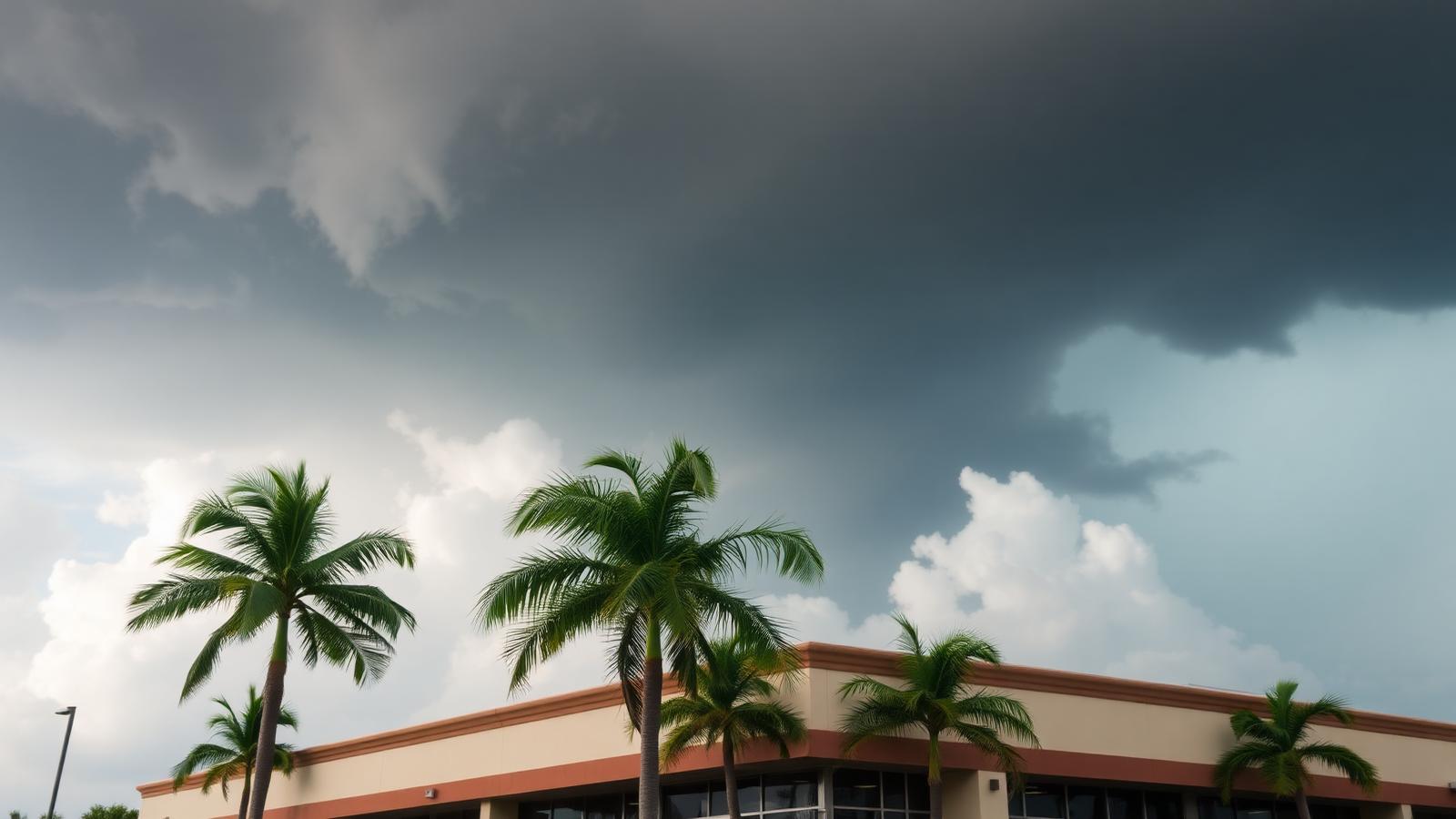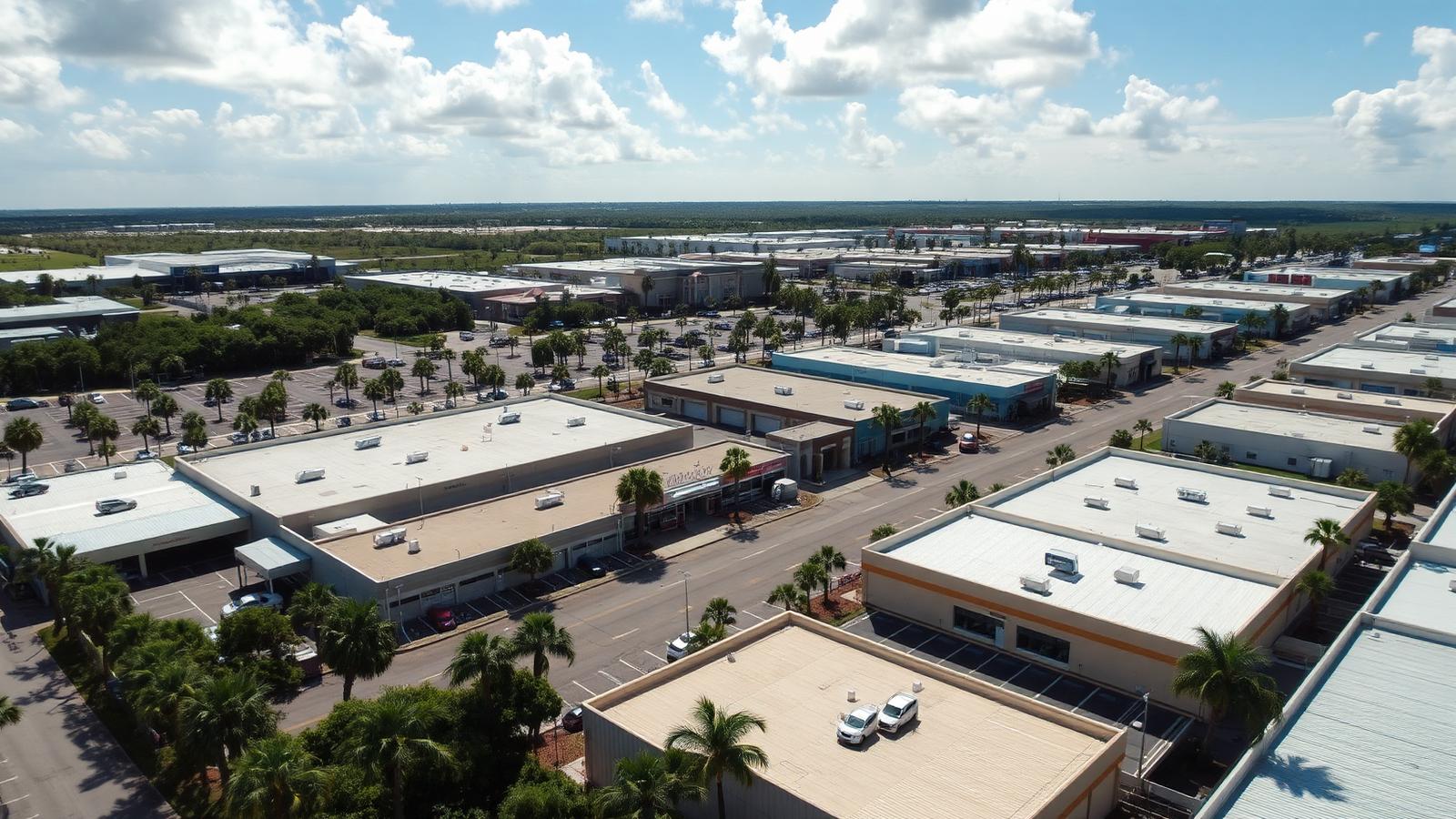
Commercial flat roofs in South Florida face a unique combination of environmental stressors that demand a specialized approach to management and maintenance. The relentless sun, oppressive humidity, and the ever-present threat of tropical storms and hurricanes can severely impact roof integrity and accelerate material degradation. For property managers, understanding these challenges and implementing proactive strategies is not just about extending roof life, but about protecting the entire building and its occupants.
Effective flat roof management in South Florida prioritizes diligent inspection, prompt repairs, and strategic material selection to combat the region's harsh environmental conditions.
The Triple Threat: Heat, Humidity, and Hurricanes
South Florida's climate is a significant factor in commercial roof performance. High ambient temperatures, direct solar radiation, and UV exposure cause materials to expand and contract, leading to stress, cracking, and eventual failure. Constant humidity promotes mold, mildew, and algae growth, which can compromise roof membranes and drainage systems. Most critically, hurricane season brings powerful winds, torrential rain, and flying debris, posing an existential threat to roof systems not built or maintained to withstand such forces.
Proactive Inspections: Your First Line of Defense
Regular, thorough inspections are the cornerstone of effective flat roof management. These should go beyond casual visual checks. A professional inspection should be conducted at least twice a year – ideally in late spring before hurricane season and again in late fall after the season concludes. Additionally, conduct an inspection after any significant weather event, such as a severe thunderstorm or tropical depression.
What to look for during inspections:
- Ponding Water: Areas where water stands for more than 48 hours indicate drainage issues or structural sagging. This is a breeding ground for algae and can accelerate membrane deterioration.
- Cracks, Blisters, and Punctures: These are common signs of material fatigue or damage from foot traffic, equipment, or debris.
- Loose Flashing and Seams: These are critical points of failure, especially during high winds. Ensure all flashing around penetrations, parapet walls, and edges is securely fastened and sealed.
- Drainage Systems: Clear scuppers, gutters, and downspouts of debris. Clogged drains can quickly lead to ponding and water intrusion.
- Vegetation Growth: Weeds, moss, and algae can compromise membrane integrity and trap moisture.
- HVAC Units and Other Penetrations: Check the condition of sealants around all roof-mounted equipment. Vibrations and movement can cause these seals to break down over time.
Documentation is key. Keep detailed records of all inspections, including dates, findings, and any repairs made. This history helps track roof performance and informs future maintenance decisions.
Strategic Maintenance and Timely Repairs
Addressing minor issues promptly prevents them from escalating into costly major problems. A small crack can become a significant leak during a heavy downpour, and a loose seam can peel back in hurricane-force winds. Develop a robust maintenance schedule that includes regular cleaning, debris removal, and sealant checks.
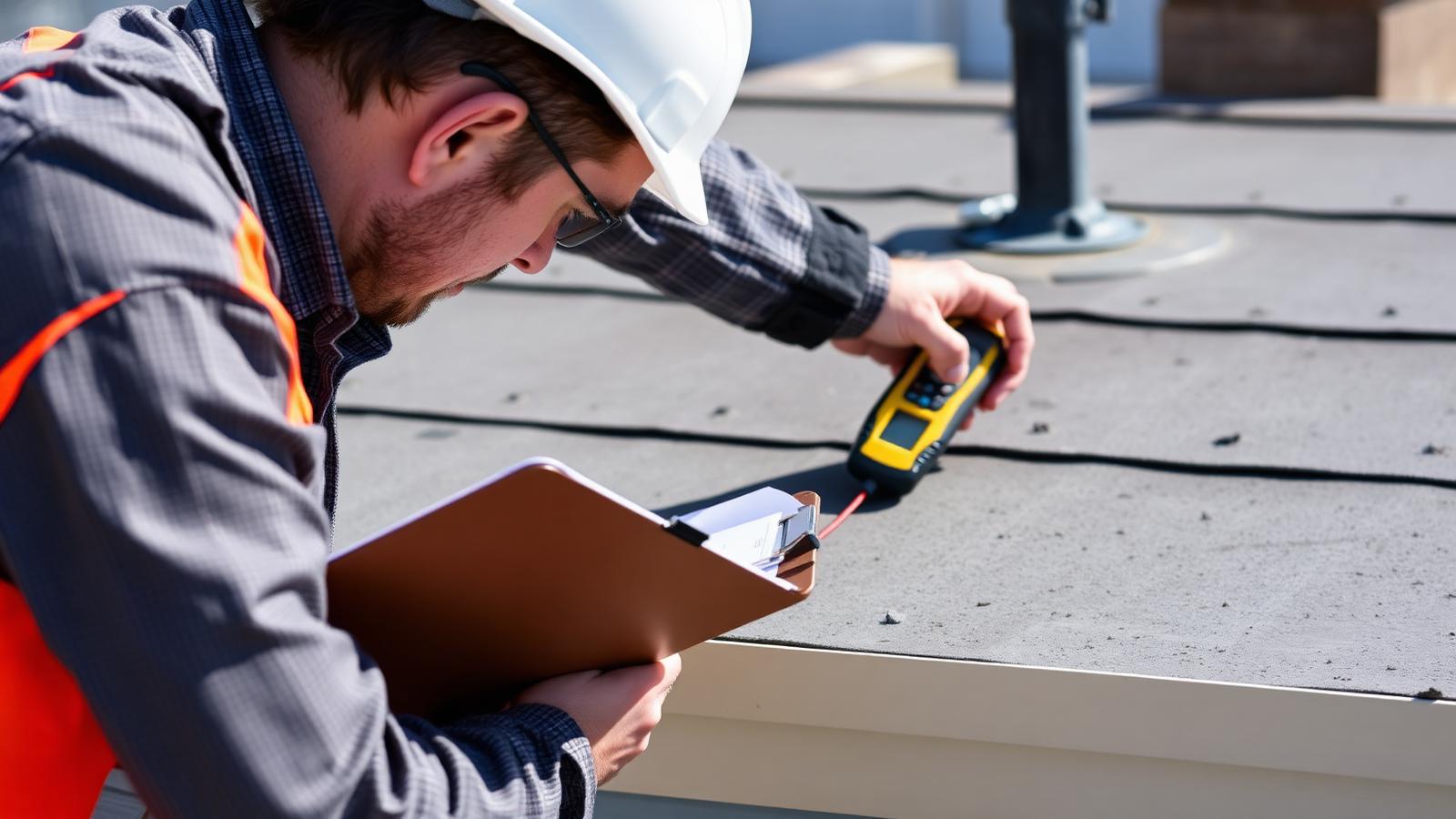
Key maintenance practices:
- Cleaning: Remove leaves, branches, dirt, and other debris that can clog drains or trap moisture. Pressure washing should be done with caution and only by experienced professionals to avoid damaging the roof membrane.
- Vegetation Control: Promptly remove any plant growth on the roof surface or in drainage areas.
- Sealant Reapplication: Periodically check and reapply sealants around all penetrations and edge details. UV exposure in South Florida quickly degrades sealants.
- Minor Patching: Address small cracks or punctures with appropriate patching materials as soon as they are identified. Ensure the patch is compatible with the existing roof system.
For more significant repairs, always engage a qualified commercial roofing contractor. Attempting complex repairs without proper expertise can void warranties or lead to further damage.
The Role of Roof Coatings and Restoration Systems
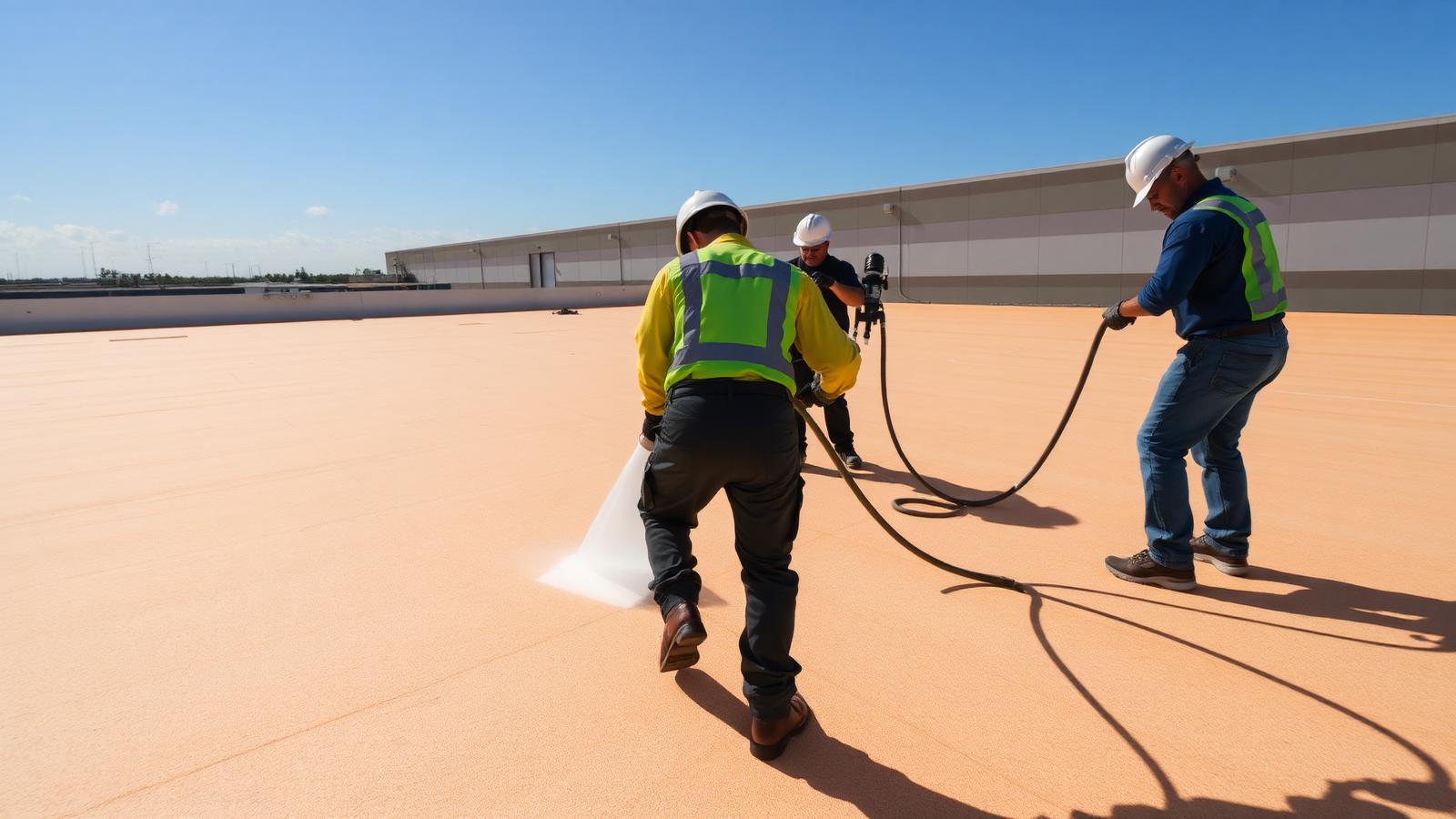
Given South Florida's climate, conventional roof replacement can be a disruptive and expensive undertaking. Many property managers are turning to advanced roof restoration systems, like spray polyurethane foam (SPF) and silicone coatings, as highly effective alternatives.
Spray Polyurethane Foam (SPF) Roofing:
SPF systems create a seamless, monolithic layer that insulates and waterproofs the roof. It adheres directly to the existing roof substrate, eliminating seams that are common points of failure. SPF offers excellent thermal insulation, which can significantly reduce cooling costs in South Florida's hot climate. It also provides a durable, self-flashing surface that can withstand hail and high winds when properly applied and coated with an elastomeric topcoat.
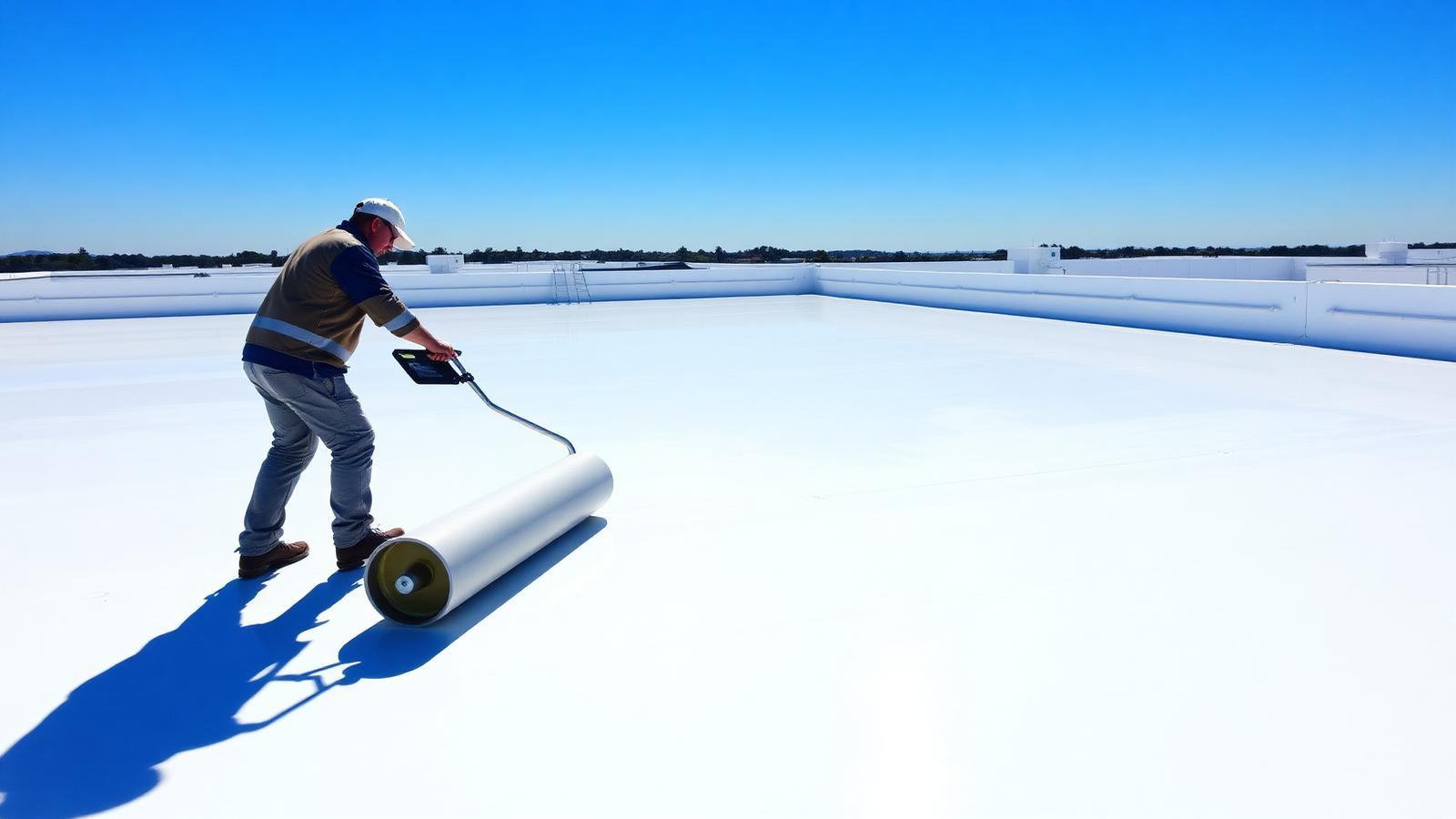
Silicone Roof Coatings:
Silicone coatings are highly reflective, reducing roof surface temperatures and contributing to energy savings. They are extremely durable, UV-stable, and resistant to ponding water, making them ideal for flat roofs in humid environments. Silicone coatings can often be applied directly over existing roof membranes, extending their lifespan without the need for a costly tear-off. This reduces landfill waste and minimizes disruption to building operations.
Both SPF and silicone systems offer significant advantages for South Florida properties by enhancing waterproofing, improving energy efficiency, and providing a robust barrier against the elements. They are often more cost-effective than full roof replacement and come with extended warranties.
Preparing for Hurricane Season
Hurricane preparedness is not an annual task; it is an ongoing mindset for South Florida property managers. A robust roof system is critical for protecting the entire building during a storm. If your roof is nearing the end of its life, consider restoration or replacement well before hurricane season begins.
Pre-hurricane season checklist:
- Inspect and Repair: Conduct a thorough inspection and complete all necessary repairs, especially to flashing, seams, and drains. Ensure everything is watertight and securely fastened.
- Clear Debris: Remove any loose items from the roof that could become projectiles in high winds, such as old equipment, tools, or unsecured satellite dishes.
- Trim Overhanging Branches: If trees overhang the building, ensure branches are trimmed to prevent them from falling onto the roof during a storm.
- Review Warranties and Insurance: Understand what your roof warranty covers and ensure your property insurance is up to date and adequately covers hurricane damage.
- Professional Assessment: Consider having a professional roofer conduct a pre-hurricane season assessment to identify any vulnerabilities.
During and immediately after a storm, avoid accessing the roof until it is safe to do so. After the storm passes, perform a preliminary visual inspection from the ground. If any damage is visible or suspected, contact a professional roofing contractor for a detailed assessment and emergency repairs.
Long-Term Planning and Budgeting
Effective flat roof management involves more than just reactive repairs. Develop a long-term capital expenditure plan that accounts for roof restoration or replacement cycles. Understanding the expected lifespan of your current roof system and the benefits of restorative options like SPF and silicone can help you budget proactively and avoid unexpected major expenses.
Consider the total cost of ownership, which includes maintenance, repairs, and energy savings. Investing in high-performance roof systems can yield significant returns over time through reduced utility bills, fewer disruptions, and extended asset life.
Managing commercial flat roofs in South Florida requires a strategic, informed approach. By prioritizing regular inspections, prompt maintenance, and considering advanced restoration technologies, property managers can significantly extend the life of their roofs, protect their assets, and ensure the safety and comfort of their building occupants.
Is your commercial flat roof ready for South Florida's challenging climate? Don't wait for a problem to arise. Contact Roof King today to request a free, no-obligation roof assessment and discover how our SPF and silicone restoration solutions can protect your investment.
Free assessment
Free Commercial Roof Assessment
Licensed & insured Florida commercial roofing. Spray foam and silicone restoration across South Florida — no pressure, no cost.