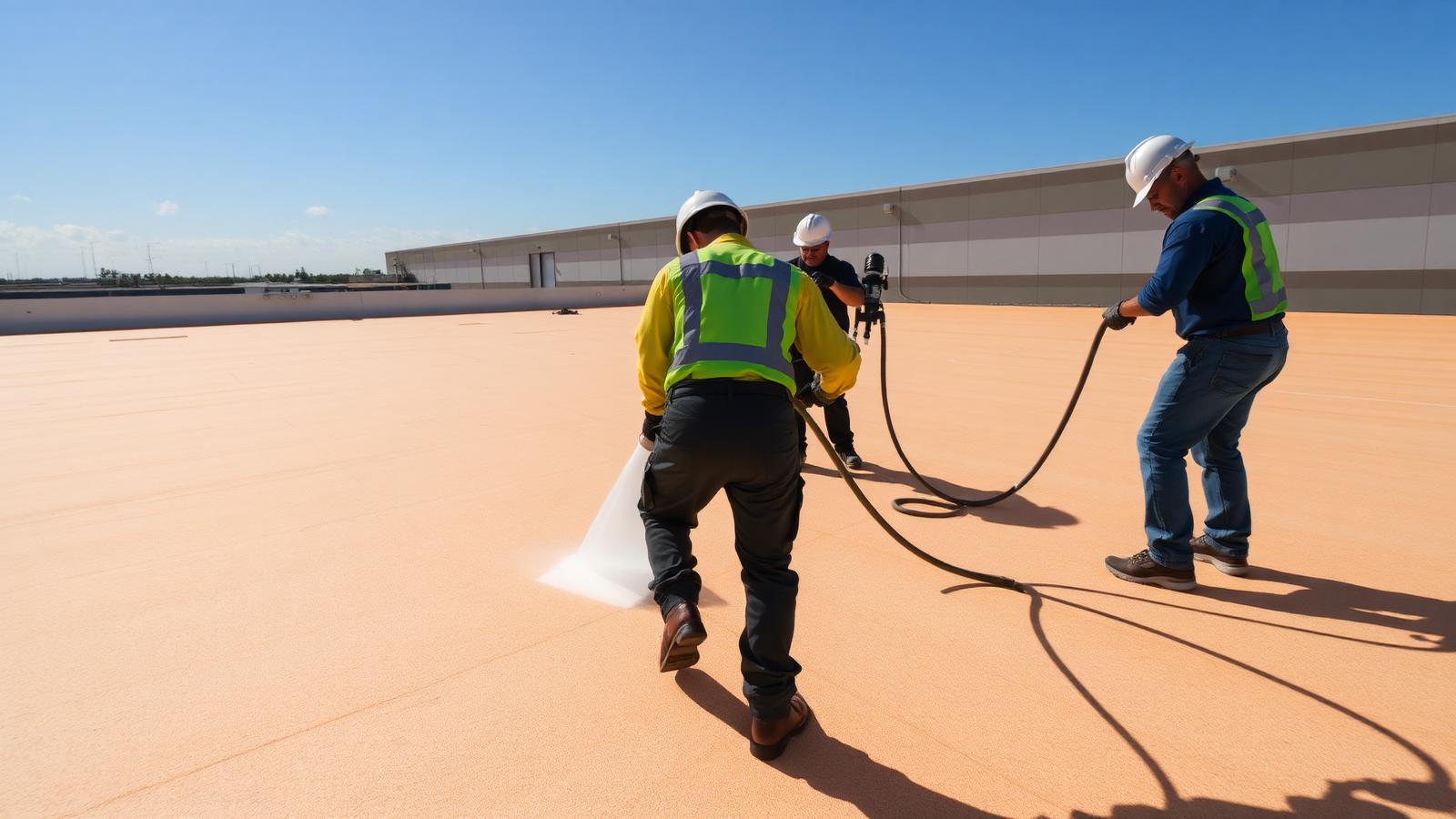
For commercial property owners in South Florida, managing energy costs and maintaining comfortable interior temperatures are constant challenges. The intense sun and heat place significant strain on HVAC systems and roof membranes alike. This is where the science of cool roofs, specifically their reflectivity, offers a powerful solution.
Cool roofs utilize advanced material science to reflect a high percentage of sunlight and re-emit absorbed heat, significantly lowering surface temperatures and reducing the heat load on your building.
Understanding Solar Reflectance and Thermal Emittance
At the core of cool roof technology are two critical material properties: solar reflectance and thermal emittance. Solar reflectance, often expressed as a percentage or a decimal between 0 and 1, measures how much solar radiation (sunlight) a surface reflects. A perfect mirror would have a solar reflectance of 1.0, reflecting all sunlight, while a black asphalt surface might have a solar reflectance as low as 0.05, absorbing most of it. Higher solar reflectance means less heat absorption.
Thermal emittance, also expressed between 0 and 1, measures how efficiently a surface radiates (emits) absorbed heat. Even highly reflective surfaces absorb some solar energy. High thermal emittance means the roof material quickly releases any absorbed heat back into the atmosphere, rather than transferring it into the building below. A perfect emitter would have a thermal emittance of 1.0. Together, these properties determine a roof's ability to stay cool.
The Solar Reflectance Index (SRI)
To provide a comprehensive measure, the Solar Reflectance Index (SRI) combines both solar reflectance and thermal emittance into a single value. SRI is a standardized metric that quantifies a surface's ability to reject solar heat, relative to standard black (SRI 0) and standard white (SRI 100) surfaces. A higher SRI value indicates a cooler roof. For example, a roof with an SRI of 80 is significantly cooler than one with an SRI of 20 under the same conditions. This index is crucial for building codes and green building certifications like LEED, guiding the selection of appropriate cool roofing materials.
How Material Composition Achieves High Reflectivity
The ability of a roofing material to achieve high solar reflectance and thermal emittance is deeply rooted in its chemical composition and surface characteristics. For example, the white or light-colored pigments used in cool roof coatings, such as titanium dioxide (TiO2), are highly effective at scattering and reflecting the full spectrum of sunlight, including visible light, ultraviolet (UV) radiation, and infrared (IR) radiation. These pigments are engineered at a microscopic level to optimize light scattering.
Beyond just color, the binder resins in these coatings, often acrylics or silicones, are formulated to be UV-stable and resistant to degradation. This ensures that the reflective properties are maintained over time, even under the intense South Florida sun. The surface texture also plays a role; smoother, cleaner surfaces tend to reflect more effectively than rough, dirty ones, which is why regular maintenance is important for cool roofs.
Silicone Coatings: A Prime Example of Reflective Technology
Silicone roof coatings are an excellent example of materials engineered for superior reflectivity and thermal emittance, particularly in the challenging South Florida climate. These coatings are typically white, leveraging highly reflective pigments like titanium dioxide. The inherent chemical structure of silicone polymers contributes to their durability and performance. Silicone is naturally inorganic, making it highly resistant to UV degradation, chalking, and oxidation, which are common issues for other coating types that can reduce reflectivity over time.
Furthermore, silicone's low water absorption properties prevent moisture from compromising its reflective surface, a critical advantage in humid environments. Its flexibility allows it to withstand thermal expansion and contraction without cracking, maintaining a seamless, highly reflective membrane. This combination of inherent material properties and engineered pigments makes silicone a top choice for achieving and maintaining high SRI values.
Spray Polyurethane Foam (SPF) and Reflectivity
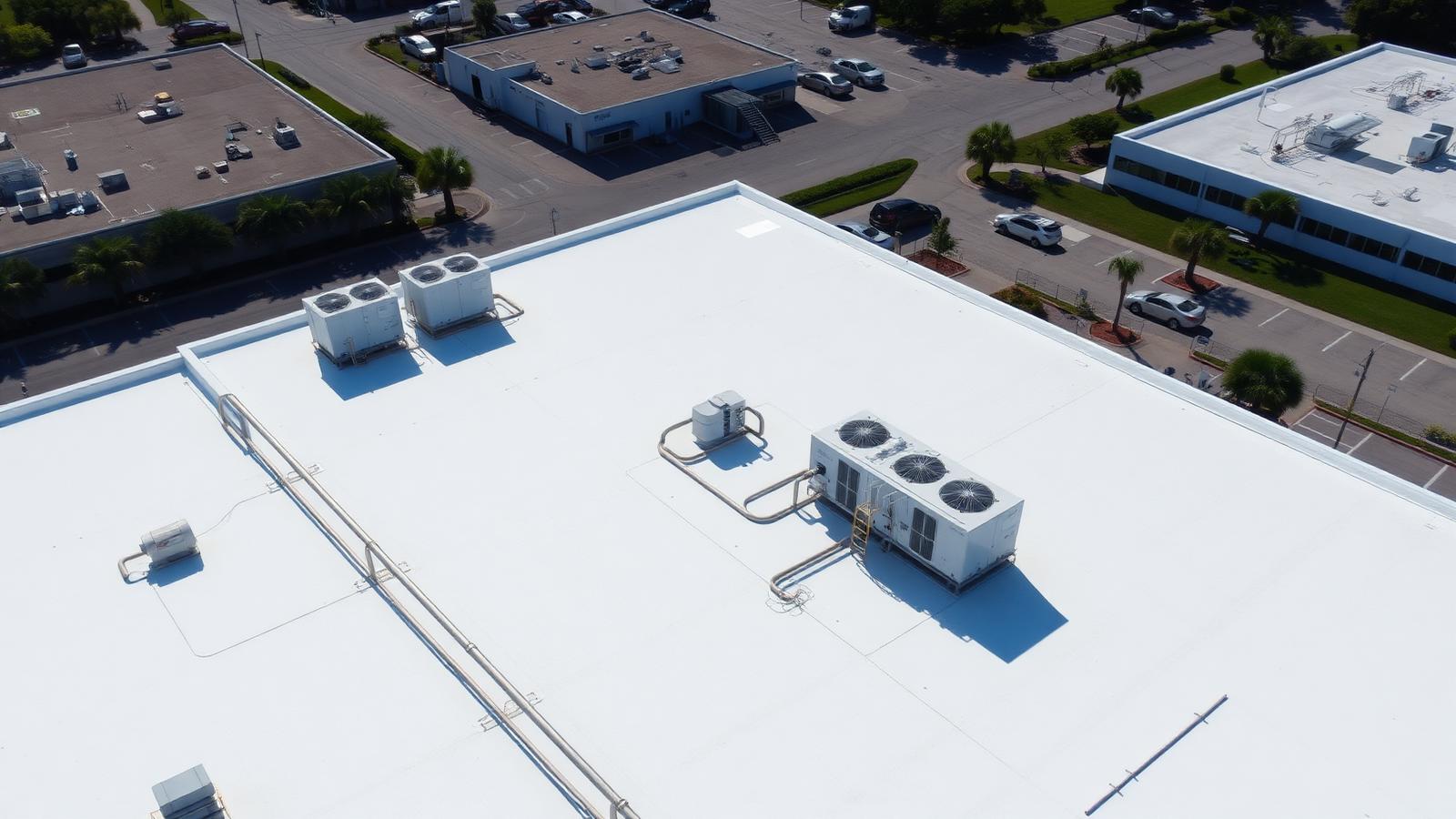
While Spray Polyurethane Foam (SPF) itself is not inherently reflective, it is an integral part of a cool roof system when paired with a highly reflective coating, typically silicone or acrylic. The SPF layer provides exceptional insulation, creating a thermal barrier that prevents heat transfer into the building. Once the SPF is applied and cured, it is then covered with a protective, reflective coating. This two-part system combines the best of both worlds: superior insulation from the SPF and high reflectivity from the topcoat.
The reflective coating applied over SPF is specifically chosen for its high solar reflectance and thermal emittance. This combination ensures that most of the sun's energy is reflected away, and any minimal heat absorbed by the coating is quickly re-emitted, preventing it from reaching the insulating SPF layer or the building interior. This synergy makes SPF systems with reflective coatings one of the most effective cool roof solutions available, particularly for energy efficiency in hot climates.
The Benefits for South Florida Commercial Buildings
The scientific principles behind cool roofs translate into tangible benefits for commercial properties in South Florida. The primary advantage is significant energy savings. By reflecting a large portion of solar radiation, cool roofs reduce the demand on air conditioning systems, leading to lower electricity bills. This is especially impactful during peak summer months when temperatures and energy costs soar.
Beyond energy savings, cool roofs contribute to greater occupant comfort by maintaining more stable indoor temperatures. They also extend the lifespan of the roof membrane itself. By keeping the roof surface cooler, cool roofs reduce thermal shock and UV degradation, which are major contributors to roof aging and deterioration. This means fewer repairs and a longer service life for your roofing investment.
Additionally, cool roofs help mitigate the urban heat island effect, where densely built areas become significantly warmer than surrounding rural areas. By reflecting solar energy, cool roofs reduce ambient air temperatures in their immediate vicinity, contributing to a cooler, more sustainable urban environment.
Ensuring Performance: Testing and Standards
To ensure that cool roof materials perform as advertised, rigorous testing and standards are in place. Organizations like the Cool Roof Rating Council (CRRC) provide independent, third-party ratings for the solar reflectance and thermal emittance of roofing products. These ratings are crucial for designers, building owners, and code officials to verify product performance.
When selecting a cool roof system, it is important to look for products with CRRC-rated values. These ratings provide confidence that the material will meet the desired performance criteria for energy efficiency and heat rejection. Regular cleaning and maintenance are also important to preserve the reflective properties of the roof over its lifespan, as dirt and biological growth can reduce reflectivity.
Making informed decisions about your commercial roof in South Florida requires understanding the science behind cool roof technology. By leveraging materials with high solar reflectance and thermal emittance, you can achieve significant energy savings, extend roof life, and contribute to a more sustainable building. To explore how a cool roof system can benefit your property, we invite you to request a free, no-obligation roof assessment from Roof King today.
Free assessment
Free Commercial Roof Assessment
Licensed & insured Florida commercial roofing. Spray foam and silicone restoration across South Florida — no pressure, no cost.