14 Cents vs. 25 Cents: The Roof Maintenance Math Every South Florida Property Manager Should Run Before Peak Season
Here's a number most property managers never see until it's too late: the difference between a commercial roof that lasts 21 years and one that lasts 13 is about 14 cents per square foot per year. That's not a sales figure — it comes from a 15-year study by Firestone Building Products and ProLogis tracking real industrial roofs. Proactively maintained roofs cost an average of $0.14 per square foot annually and lasted 21 years. Reactively maintained roofs — the "call somebody when it leaks" plan — cost $0.25 per square foot annually and lasted 13 years.
Read that again. The neglected roof costs more per year and dies eight years sooner.
We're now in mid-August. NOAA's updated outlook (issued August 7) still calls for a below-normal hurricane season — a 75% chance, thanks to a strengthening El Niño shearing storms apart. But the climatological peak of the Atlantic season is September 10, and South Florida's rainy season runs through October regardless of what the tropics do. If your portfolio's roofs haven't been inspected since spring, the next eight weeks are exactly when deferred maintenance turns into interior damage claims.
The math, scaled to a real South Florida building
Take a typical 40,000-square-foot flat roof on a warehouse in Pompano Beach or an office building in Fort Lauderdale.
Reactive plan: $0.25/SF × 40,000 SF = roughly $10,000 a year in patchwork repairs, emergency calls, and interior damage — and a roof that needs full replacement around year 13.
Proactive plan: $0.14/SF × 40,000 SF = roughly $5,600 a year in scheduled inspections, drain clearing, seam checks, and small repairs caught early — and a roof that runs to year 21.
Over the life of the roof, the proactive building spends less each year and pushes a six-figure replacement eight years further into the future. For a condo association working under Florida's SIRS reserve requirements, or a PM answering to an owner's budget committee, that's the difference between a line item and a special assessment.
A maintained roof lives 21 years. A neglected one lives 13. The difference isn't luck — it's 14 cents a square foot.
Why South Florida roofs punish neglect faster
The Firestone/ProLogis numbers are national averages. South Florida is harder on roofs than almost anywhere in the country, which means the gap here is wider, not narrower.
UV load. Broward and Miami-Dade roofs absorb intense ultraviolet exposure nearly year-round. UV degrades exposed asphalt, embrittles old single-ply membranes, and bakes out plasticizers. Small surface cracks that would take three years to open up in Ohio open up in one here.
Rain volume. South Florida's wet season routinely delivers the majority of the year's rain between May and October. A clogged drain or a ponding low spot that sits dry all winter becomes a standing pond by August — and ponding water is the single most common thing our inspectors flag on flat roofs across the region.
Wind cycling. Even in a quiet season, summer thunderstorms deliver 40–60 mph gusts that work at loose edge metal and lifted seams. Every cycle loosens them a little more, so the roof that "did fine" in July can peel at the perimeter in a September storm.
After 30+ years and more than 10 million square feet of commercial roofing installed across South Florida, we can tell you the pattern is remarkably consistent: almost every emergency call we take traces back to something small that a routine inspection would have caught months earlier.
What Crown Care actually covers
Crown Care is our maintenance program for commercial roofs — built for property managers who own the outcome but don't have time to walk roofs themselves.
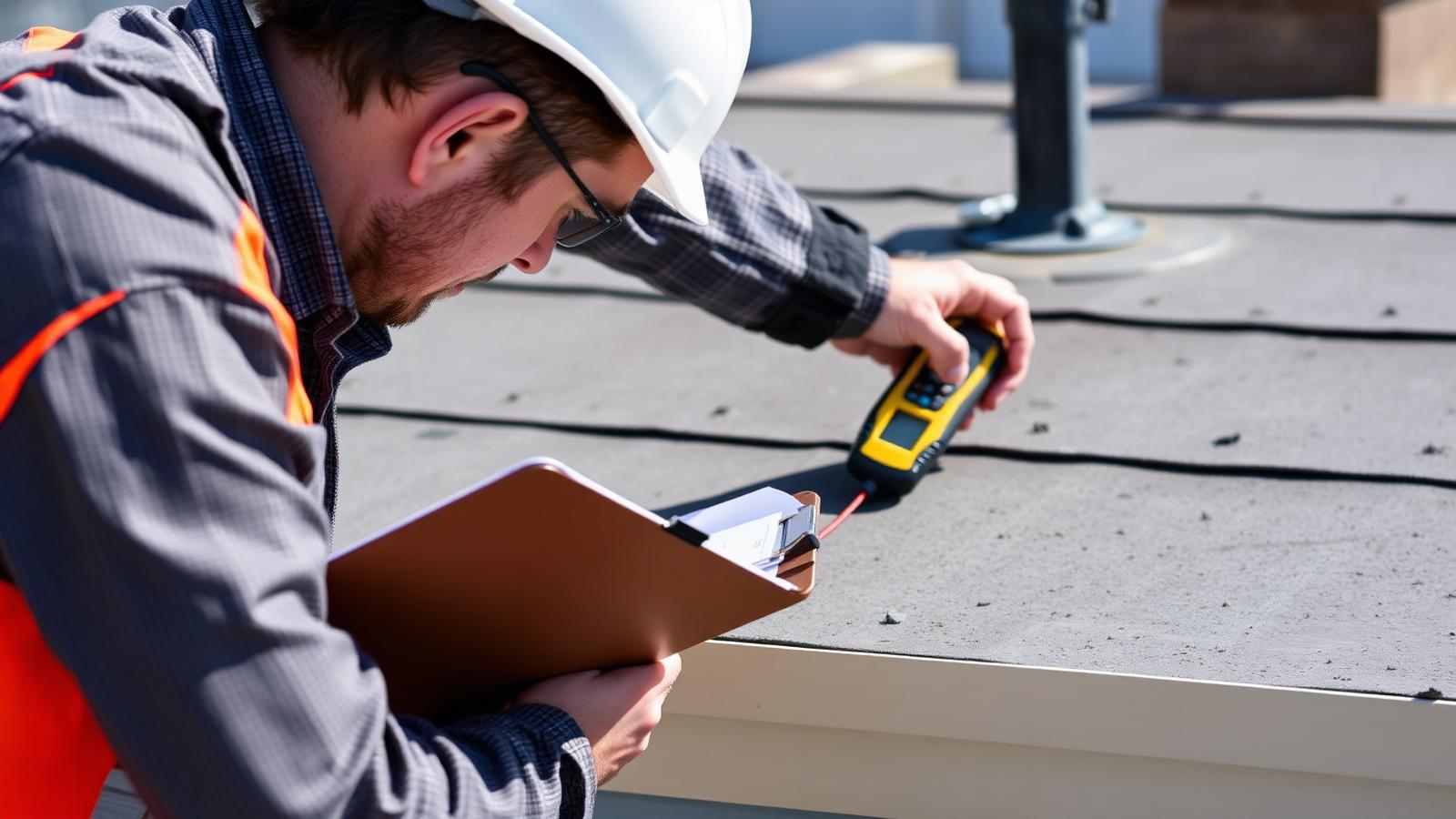
Scheduled inspections by the same crews who install and restore roofs for a living — many of ours have been with us 20+ years. They know what a failing seam looks like before it leaks.
Drain, scupper, and gutter clearing — the cheapest insurance in roofing. Most rainy-season interior damage we see starts with blocked drainage, not membrane failure.
Minor repairs handled on the spot — sealed penetrations, re-secured edge metal, patched blisters — before they graduate into tenant complaints.
Written condition reports with photos after every visit. That documentation matters twice: it supports insurance claims if a storm does hit, and it gives boards and owners a paper trail showing the asset was professionally maintained.
A known partner when the weather turns. Crown Care buildings aren't strangers to us. If a storm damages your roof, we already have your roof's history, dimensions, and condition on file — which shortens emergency response when it matters most.
Maintenance also protects the restoration option
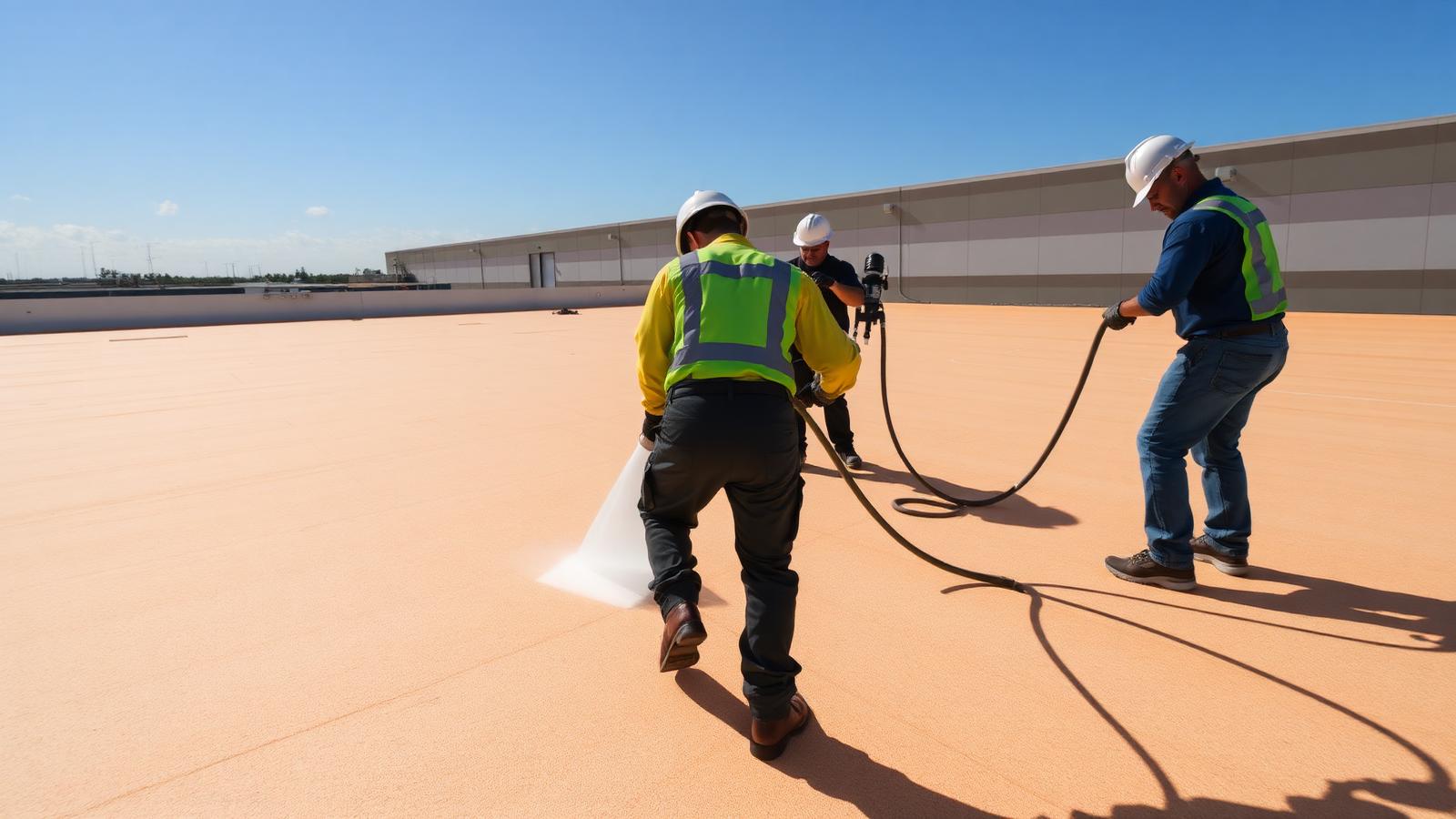
One more thing that doesn't show up in the national studies: maintenance keeps your restoration window open. Our Moisture Rule is simple — if less than 15% of a roof's insulation is wet, we can restore it with spray foam or silicone coating for about a third of replacement cost, with no tear-off and no tenant disruption. Above 50% wet, replacement is the honest answer. Neglect is what moves roofs from the first category into the second. Every season a small leak goes unfound, saturation spreads — and at some point, the restoration conversation becomes a replacement conversation at several times the cost.
A below-normal forecast is not a zero forecast
NOAA's outlook still leaves room for 7–13 named storms and up to 2 major hurricanes, and two named storms have already formed. El Niño seasons suppress storm counts, not the damage potential of the one storm that finds you. The right way to read a quiet forecast isn't "skip the roof this year." It's "this is the cheapest, calmest window I'll get to make sure the roof is ready" — before the September peak, and before every roofer's phone rings at once.
FAQ
How often should a commercial roof in South Florida be inspected? Twice a year at minimum — once before wet season (spring) and once after (late fall) — plus after any named storm or severe wind event. Roofs over 15 years old, or roofs with a history of ponding, benefit from quarterly visits.
Does a maintenance program affect my roof warranty? Often, yes. Many manufacturer warranties require documented periodic maintenance, and a claim can be challenged if there's no record the roof was ever inspected. Crown Care's written reports create exactly that record.
My roof already leaks. Is it too late for maintenance? Not necessarily — but the first step is a proper assessment, including moisture readings. If the wet area is limited, repair plus maintenance can stabilize the roof for years. If moisture is widespread, we'll tell you honestly that maintenance money is better put toward restoration or replacement.
The peak of hurricane season is four weeks away, and the rainy season doesn't care about forecasts. If you manage commercial property in Broward, Miami-Dade, or Palm Beach and can't remember the last time your roof was professionally walked, start with a free roof assessment from ROOF KING — 30+ years in South Florida, 10M+ square feet installed, same core crew for 20+ years. We'll tell you what your roof needs, and just as importantly, what it doesn't. Call 954-782-3002. Strength from above.
Sources
Related reading
Free assessment
Free Commercial Roof Assessment
Licensed & insured Florida commercial roofing. Spray foam and silicone restoration across South Florida — no pressure, no cost.