The Fine Print That Eats Roof Warranties: What Your Commercial Roof Coverage Actually Says
Ask a South Florida property manager what warranty their roof carries, and you'll usually hear a number: "twenty years." Ask what that warranty actually covers — who pays for labor, what voids it, whether a hurricane claim goes through it — and the room gets quiet. That's a problem, because the gap between what owners think their warranty covers and what the document actually says is where six-figure surprises live. After 30+ years and 10 million square feet of commercial roofing across Broward, Miami-Dade, and Palm Beach, we've read a lot of warranty documents on behalf of building owners. Here's what they really say.
The Four Warranty Types — and Why "20 Years" Tells You Almost Nothing
Commercial roof warranties come in four basic flavors, and the difference between them is the difference between a covered repair and a bill.
Material-only warranties cover manufacturing defects in the membrane itself — and nothing else. If the membrane fails, the manufacturer sends you replacement material. Labor, tear-off, disposal? Yours. Since labor typically runs 50–70% of a repair's cost, a "15-year warranty" that's material-only leaves you exposed on the majority of the bill.
System warranties cover materials and labor, but often with a dollar cap on the manufacturer's liability. Read for the cap. A $50,000 limit on a 60,000-square-foot roof isn't the safety net it sounds like.
NDL (No Dollar Limit) warranties are the premium tier: full materials and labor with no payout cap, typically in 15- to 30-year terms. The catch is they require installation by a manufacturer-certified contractor and usually a manufacturer inspection at completion — and the longer terms are priced in. A 25-year NDL can add 15–20% to project cost.
Contractor workmanship warranties back the installation labor itself, usually for 2–5 years. Here's the part nobody puts in the brochure: this warranty is only as good as the company behind it. If your installer disappears in year three — and in South Florida's storm-chaser market, plenty do — that paper is worthless. A contractor that's been in business 30+ years with the same core crew for 20 is, functionally, part of the warranty.
The Clauses That Quietly Void Coverage
Most commercial roof warranties don't die in a storm. They die in the fine print, years before anyone makes a claim. The common killers:
- Ponding water. Many warranties exclude or void coverage where water stands more than 48 hours after rainfall. On South Florida flat roofs in rainy season, that clause is doing heavy lifting — and most owners have never checked their roof 48 hours after a June downpour.
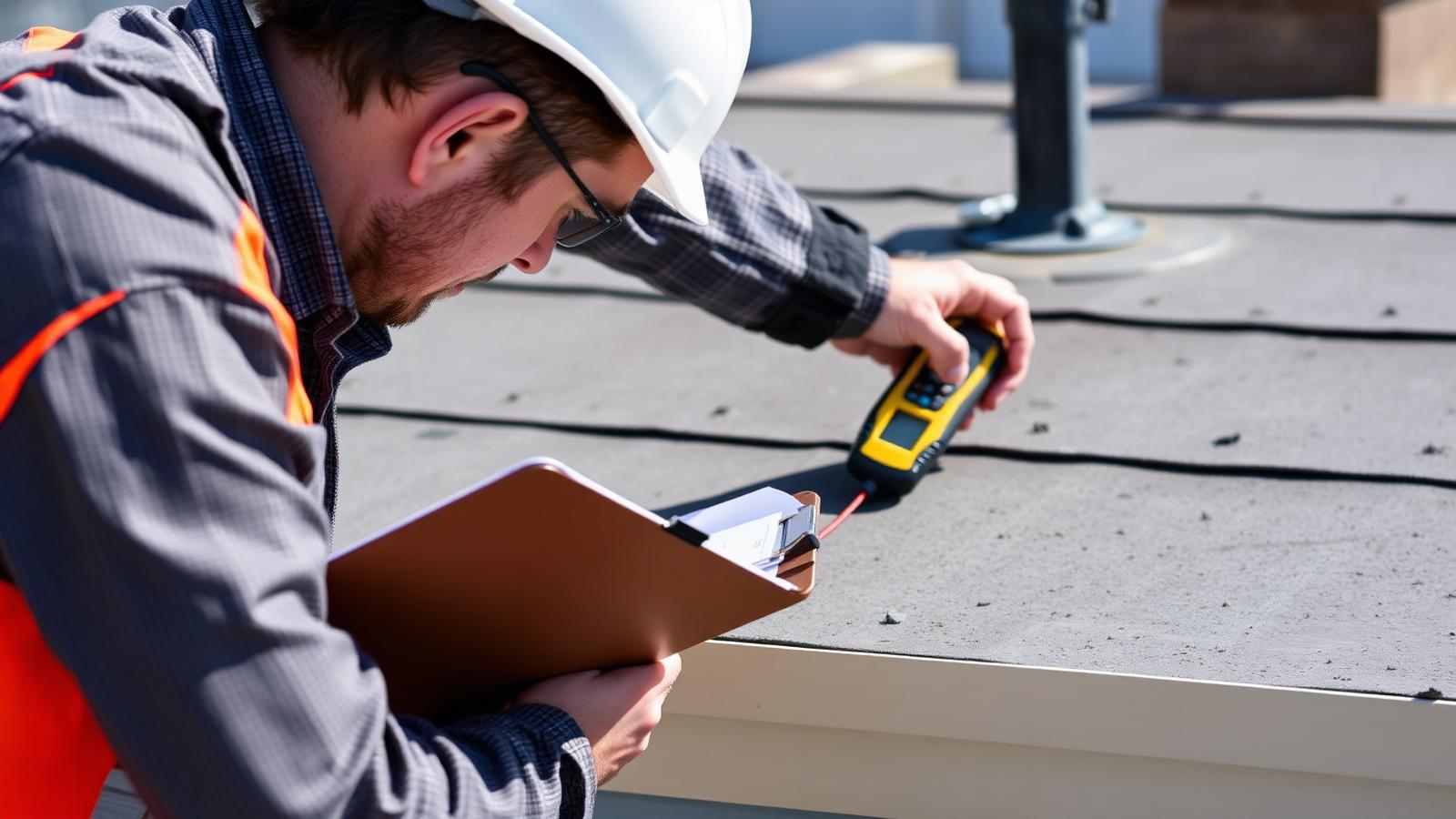
- Undocumented maintenance. Warranties commonly require twice-yearly inspections with written reports and photos. Doing the inspections isn't enough; you have to prove them. No file, no claim.
- Unauthorized rooftop work. The HVAC sub who screwed a new condensate line through the membrane, the satellite installer, the solar crew — any trade that penetrates the roof without manufacturer-approved detailing can void the whole warranty, not just that spot.
- Unauthorized repairs. Patch a leak with the cheapest handyman available and you may have just traded a $600 repair for a voided 20-year warranty.
- Late reporting. Some warranties require damage be reported within 30 days. Leaks discovered "when the tenant finally complained" can fall outside the window.
A roof warranty is not a product you buy once. It's a discipline you maintain for twenty years.
This is exactly why we built our Crown Care maintenance program the way we did: scheduled inspections, documented in writing with photos, by a crew that knows what the warranty language requires. It keeps the roof healthy — and it keeps the paper trail that makes the warranty enforceable.
Hurricane Damage Is Not a Warranty Claim
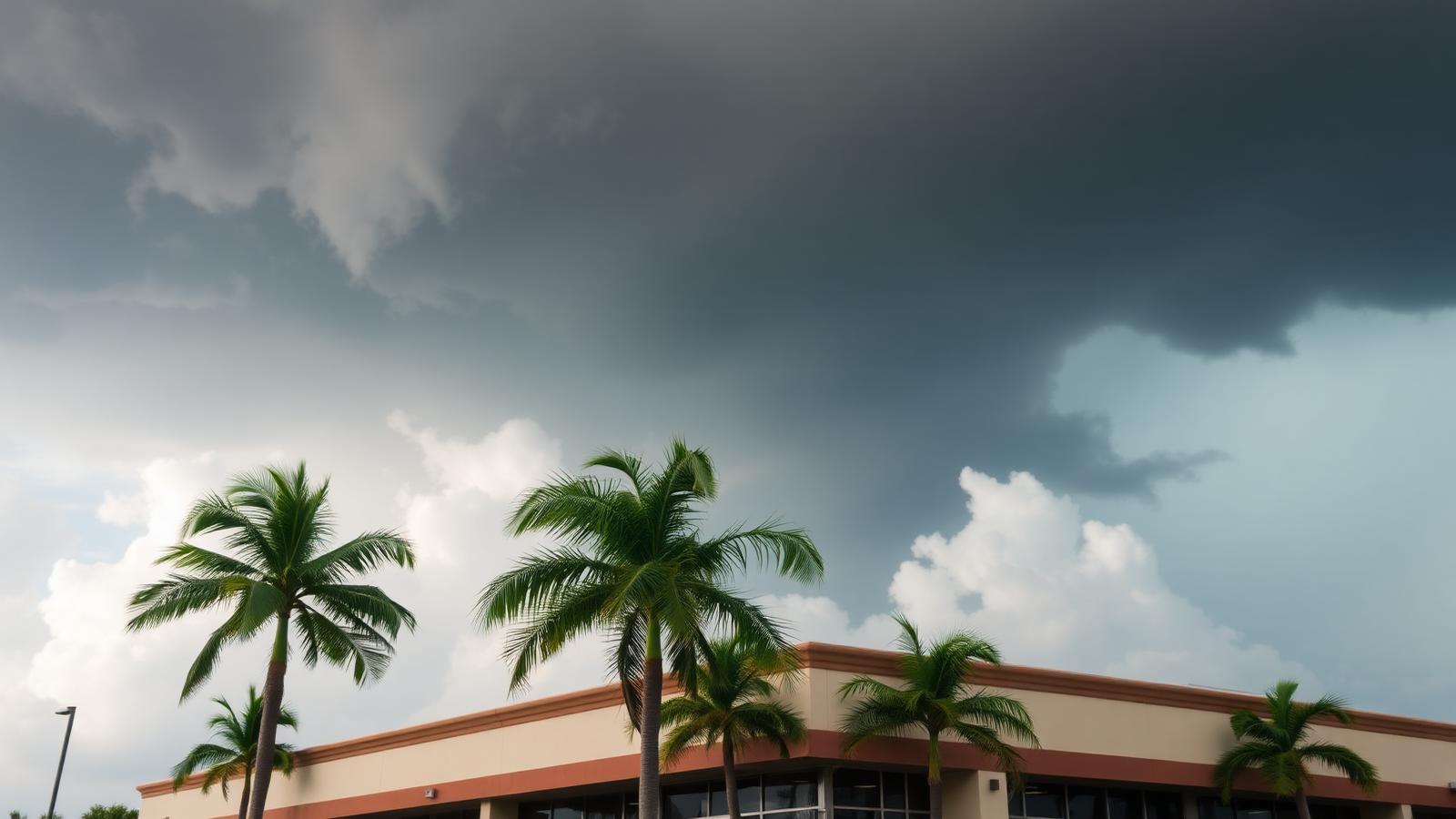
The single most common misconception we hear in South Florida: "the roof's under warranty, so the storm damage is covered." It isn't. Virtually every commercial roof warranty excludes acts of God — wind, hail, named storms. Storm damage is an insurance claim, and your warranty and your policy are two different documents doing two different jobs.
Where they intersect is condition and documentation. A roof with current inspection reports, sealed penetrations, and no chronic ponding is a roof your insurer has a hard time calling "pre-existing deterioration" after a storm. That's also where inspections, roof certifications, and engineer letters earn their keep — they're evidence, dated before the storm, of what shape your roof was actually in. We provide all three, and after a storm our crews and seven fully-rigged spray trucks are doing emergency response across Broward, Miami-Dade, and Palm Beach.
The Restoration Warranty: Coverage That Renews Instead of Expiring
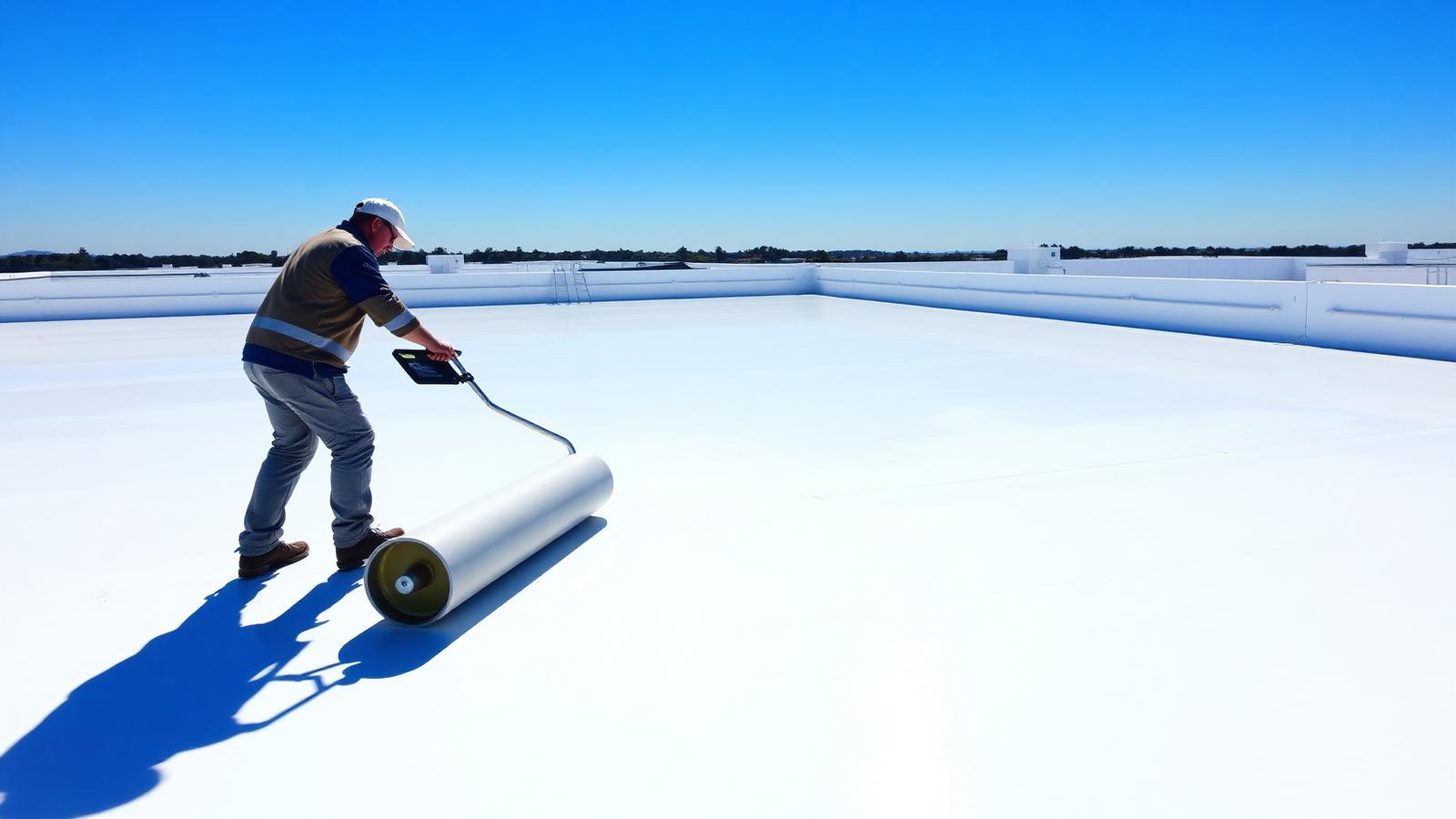
Here's the warranty story most owners have never been told. Traditional roof warranties run one direction: they start strong, tick down, and expire — and then you're staring at a tear-off. Silicone restoration warranties work differently. Coating manufacturers offer warranties in 10-, 15-, and 20-year terms tied to the measured thickness of the silicone, and when the term ends, the roof can typically be inspected, cleaned, and recoated — renewing the warranty for another term without tear-off, without landfill fees, without shutting down your tenants.
That changes the math on the restore-vs-replace decision. A replacement buys you one warranty cycle at full price. A restoration — at roughly a third of the cost — buys you a warranty cycle plus a renewable path for the cycles after it. The honest caveat, as always, is our Moisture Rule: restoration only makes sense on a roof that qualifies. Under 15% wet insulation, we restore. Over 50%, we'll tell you to replace — and we'd rather tell you that on day one than hide it behind a warranty brochure.
Five Questions to Ask Before You Sign Anything
Before your next roofing contract — ours included — get answers in writing: Is this warranty material-only, system, or NDL? Is there a dollar cap? What are the maintenance and documentation requirements, and who's performing them? What voids it — specifically ponding, penetrations, and third-party repairs? And is the warranty renewable at the end of the term, or does it just end? Ten minutes of questions now beats a denied claim in year twelve.
FAQ
Does a commercial roof warranty transfer when a building sells? Often yes, but usually with conditions — a transfer fee, a required inspection, and a deadline (commonly 30–60 days after closing). Some restoration warranties transfer more flexibly. If you're buying a building in South Florida, verify the transfer before closing, not after the first leak.
Will a silicone coating void my existing roof warranty? If your original membrane warranty is still active, coating over it without the manufacturer's sign-off can affect it — which is one reason restoration usually enters the picture as the original warranty is aging out. We review your existing coverage as part of a free assessment before recommending anything.
Who actually honors the warranty — the manufacturer or the contractor? Both, for different things. The manufacturer stands behind the material (and labor, on system/NDL terms); the contractor stands behind the workmanship. That's why the durability of the contractor matters: ROOF KING has been installing in South Florida for 30+ years with the same core crew for more than 20, so the company behind our workmanship warranty is still here to answer the phone.
Want to know what your current warranty actually covers — and whether your roof would pass its own fine print today? We'll walk the roof, pull core samples if needed, review your warranty language, and give you a straight answer, including "your roof is fine." Schedule your free roof assessment or call us at 954-782-3002. Strength from above.
Sources
Related reading
Free assessment
Free Commercial Roof Assessment
Licensed & insured Florida commercial roofing. Spray foam and silicone restoration across South Florida — no pressure, no cost.