Restore or Replace? The Moisture Rule That Decides What Your Commercial Roof Actually Needs
If you manage commercial property in Broward, Miami-Dade, or Palm Beach County, you will eventually sit across from a roofer who tells you your flat roof "needs to come off." Sometimes that's true. Often it isn't. The difference between a roof that must be replaced and a roof that can be restored isn't an opinion — it's a measurement. And in 2026, with full replacement running $4 to $15 per square foot before you even talk about tear-off and disposal, getting that measurement right is one of the highest-leverage decisions a property manager can make.
Here's how the decision actually works — the same framework we've used across 10 million square feet of South Florida roofing over 30+ years.
The Decision Is a Measurement, Not a Sales Pitch
Every aging flat roof in South Florida tells the same story on the surface: chalking membrane, ponding stains, patched seams, a few blisters. Surface condition is what most owners see, and it's what most replacement quotes are sold on. But surface condition is the wrong variable.
The variable that matters is what's happening under the membrane — specifically, how much of the insulation and substrate is holding water. A roof with a tired-looking membrane but dry insulation underneath is a restoration candidate. A roof with a decent-looking membrane over saturated insulation is a tear-off waiting to happen, no matter how it looks from the parking lot.
Wet insulation doesn't announce itself. It just quietly cancels your restoration option a little more every month.
That's why the first question we answer on any assessment isn't "how old is this roof?" It's "how wet is this roof?"
The Moisture Rule: Under 15%, Restore. Over 50%, Replace.
At ROOF KING we run every prospective project through a simple threshold we call the Moisture Rule:
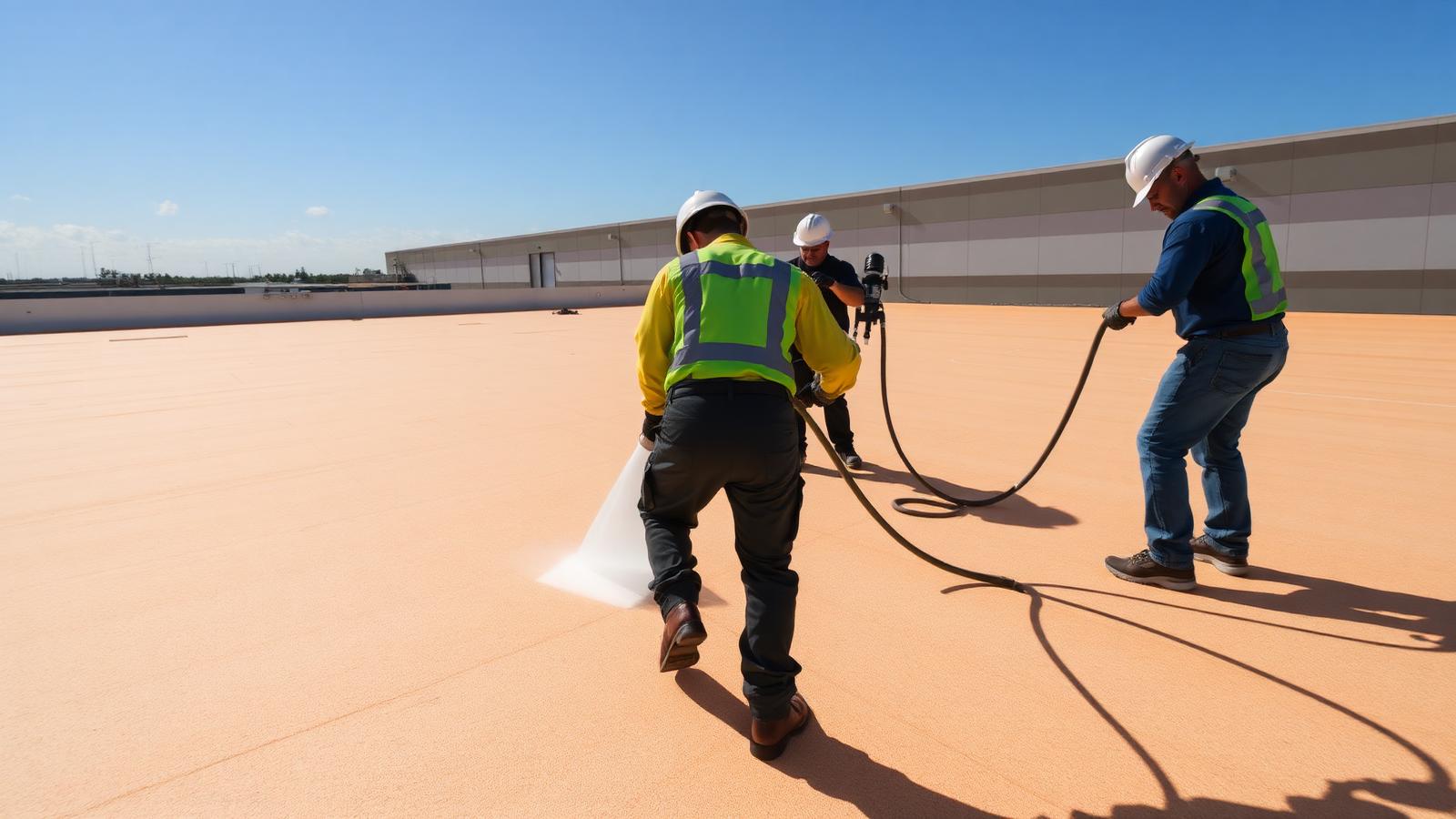
- Less than 15% of the roof area wet: Restore. We cut out and replace the isolated wet sections, then apply a spray polyurethane foam (SPF) or silicone restoration system over the entire roof. You get a renewed, monolithic, warrantied surface without a tear-off.
- More than 50% wet: Replace. Coating over widespread saturated insulation traps moisture, destroys adhesion, and wastes your money. We'll tell you that plainly and walk away from the coating job, because a restoration that fails in three years costs us more in reputation than it ever earns.
- Between 15% and 50%: It's a judgment call driven by budget, remaining service goals, and where the moisture sits. Sometimes a larger targeted tear-out plus restoration still beats replacement economics; sometimes it doesn't. We show you the math both ways.
This rule is why roughly a third of the roofs we inspect get told something no one expects from a roofing contractor: you don't need us yet — or you need less from us than you feared. Honest disqualification is the whole point. A moisture threshold you publish in advance keeps everybody honest, including us.
How We Actually Find the Water: Infrared and Core Samples
You can't apply the Moisture Rule by eyeballing a roof. Two tools do the real work.
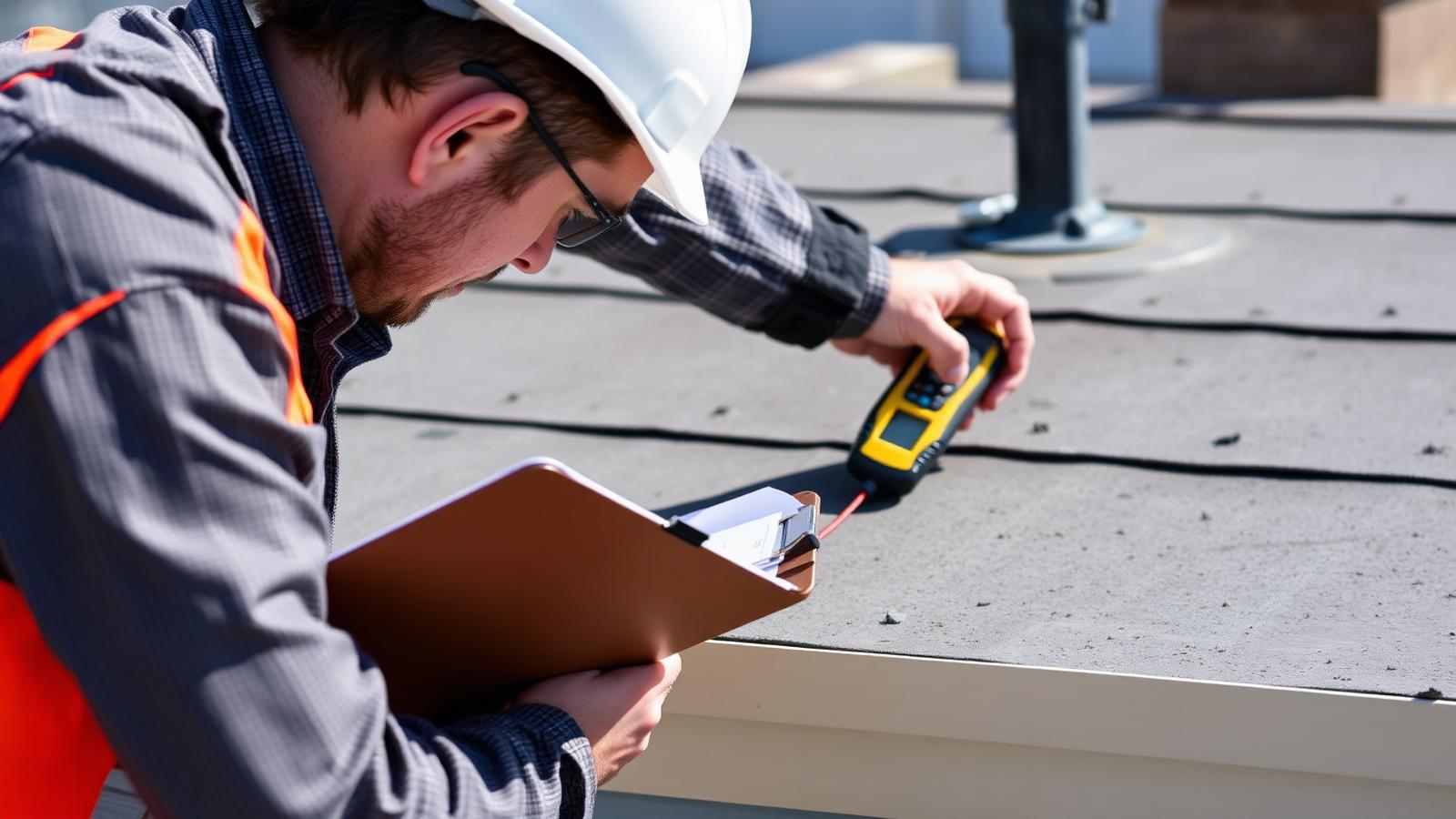
Infrared moisture scanning
Wet insulation absorbs heat during the day and releases it slower than dry insulation after sunset. An infrared scan — flown or walked at dusk — lights up those wet zones like a bruise on an X-ray. In South Florida's climate, where afternoon thunderstorms drive moisture into every unsealed fastener and failed seam from May through October, an infrared survey is the single most informative hour you can spend on an aging roof.
Core samples
Infrared shows where to look; core cuts confirm what's there. We pull small cores in the suspect zones, physically inspect and measure the insulation's moisture content, then patch the cores. Between the scan and the cores, we can map the wet percentage of your roof with real confidence — and that percentage, not a sales quota, drives the recommendation.
If a contractor quotes you a full replacement without a moisture survey, you're not getting a diagnosis. You're getting a guess with a very large invoice attached.
The 2026 Math: Why Restoration Wins When the Roof Qualifies
Current market numbers make the stakes concrete:
- Full commercial flat roof replacement: roughly $4–$15 per square foot in 2026 depending on system (modified bitumen at the low end, PVC at the high end), plus $1–$3 per square foot for tear-off and disposal.
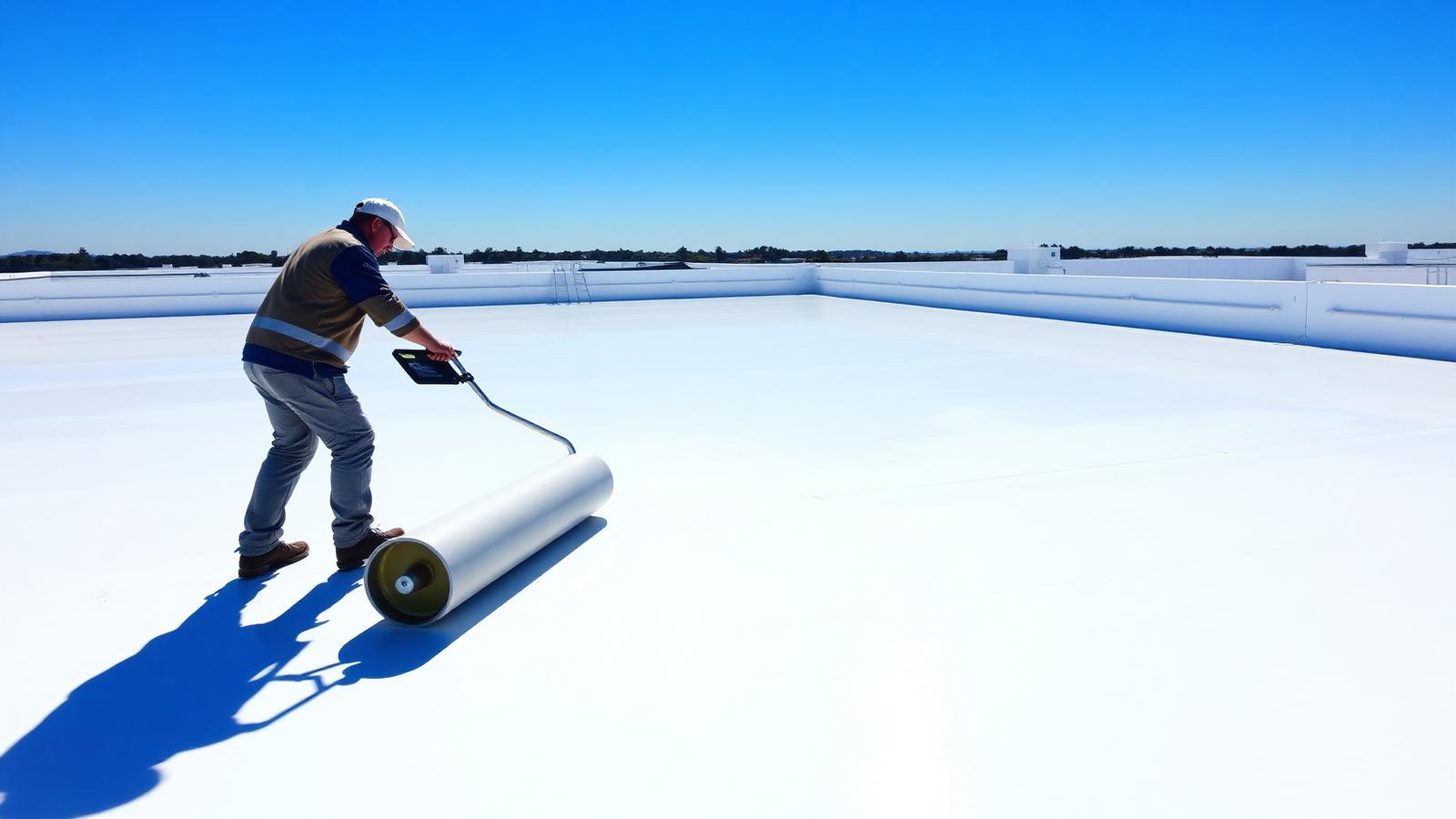
- Silicone restoration systems: roughly $2–$4 per square foot installed, extending roof life by up to 20 years, with the option to recoat and extend again — often renewing the warranty without ever tearing off.
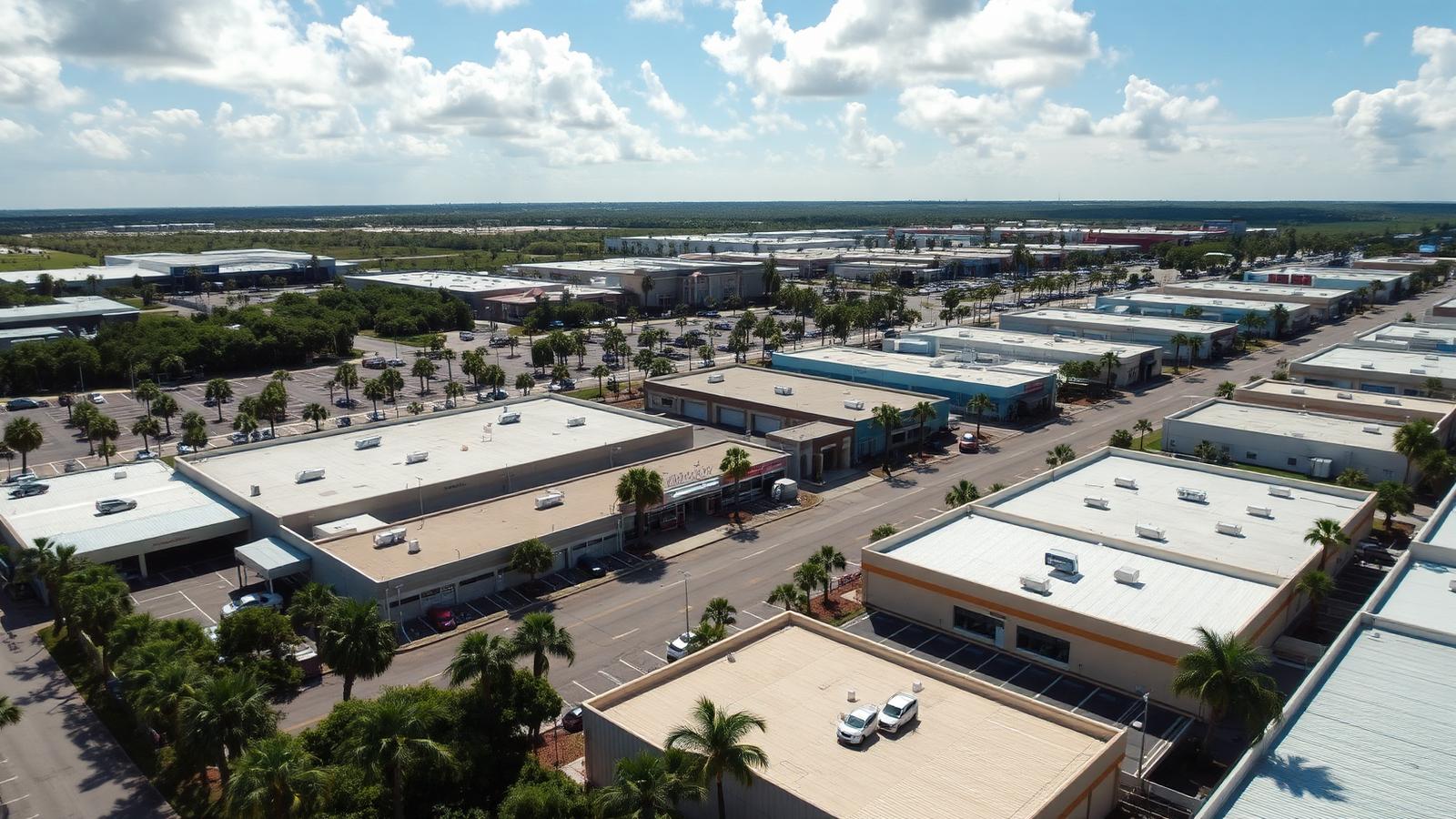
On a typical 50,000-square-foot South Florida warehouse or plaza, that's the difference between a mid-six-figure capital project and a restoration at about a third of the cost. And the per-square-foot number understates restoration's real advantage for occupied buildings: no tear-off means no exposed deck during a surprise August downpour, no dumpsters blocking tenant parking for weeks, no roar of demolition over an operating business. Your tenants mostly won't know we were there.
There's an energy line item too. A reflective white silicone or coated SPF surface can cut peak cooling demand by 10–15% per ENERGY STAR data — on a 90°F South Florida day, a dark roof can hit 150°F while a reflective coated roof stays near 100°F. That difference lands directly on the air conditioning that runs ten months a year here.
What This Means for Your Next Budget Cycle
The practical takeaway for property managers and condo boards: get the moisture data before you commit capital. A roof that's 10% wet today may be 30% wet in two rainy seasons, and every point of saturation pushes you toward the expensive side of the Moisture Rule. The cheapest roof decision you'll ever make is the survey that catches a restorable roof while it's still restorable.
That's the assessment we've built our name on — same core crew for 20+ years, 7 fully-rigged spray trucks, and 10 million square feet of installed roofing across South Florida. Strength from above.
FAQ
How long does a moisture survey and assessment take? For most commercial roofs, the infrared scan and core sampling are completed in a single visit, with a written wet-area map and restore-vs-replace recommendation delivered shortly after. There's no disruption to building operations.
Can a roof with ponding water still be restored? Often, yes. Ponding areas need to be evaluated and corrected — SPF is particularly good at building slope to eliminate ponding — but standing water alone doesn't disqualify a roof. What disqualifies it is saturation below the membrane past the 50% threshold.
Does restoration come with a real warranty? Yes. Qualified SPF and silicone restoration systems carry manufacturer-backed warranties comparable to new-roof warranties, and the system can typically be recoated near the end of the term to extend coverage again — one of restoration's biggest long-term advantages over single-cycle replacement.
If your roof is 12–25 years old and you're staring down a replacement quote, get the measurement first. ROOF KING provides free roof assessments — including moisture evaluation and an honest restore-or-replace call under the Moisture Rule — anywhere in Broward, Miami-Dade, or Palm Beach County. Call 954-782-3002 and know what your roof actually needs before you spend a dollar.
Sources
- https://coastalroofingofsouthflorida.com/blog/commercial-flat-roof-replacement-cost-2026-complete-guide-business-owners/
- https://www.constructionspecifier.com/stretching-roofing-budgets-further-the-case-for-silicone-coatings-in-2026/
- https://westroofingsystems.com/infrared-roof-surveys-how-they-are-performed-and-why-they-are-important/
Related reading
Free assessment
Free Commercial Roof Assessment
Licensed & insured Florida commercial roofing. Spray foam and silicone restoration across South Florida — no pressure, no cost.