TPO, PVC, EPDM, Mod-Bit, or Spray Foam? A Straight-Answer Guide to Flat Roof Systems in South Florida
If you manage a commercial building in Broward, Miami-Dade, or Palm Beach County, you've probably collected three roofing bids that name three different systems — and three salespeople who each swore theirs was the obvious choice. This guide is the comparison none of them handed you: what each flat roof system actually costs, how long it actually lasts, how it fails, and — most important — how South Florida's sun, rain, and wind change the math. We install spray polyurethane foam (SPF) and silicone, so you know where we stand. But after 30+ years and 10 million+ square feet of roofing, we've learned that the fastest way to lose a customer is to sell them the wrong roof. So we'll tell you when the other systems win, too.
The Four Membranes, By the Numbers
Industry cost and failure data for 2026 puts the major single-ply and asphalt systems in a fairly tight band:
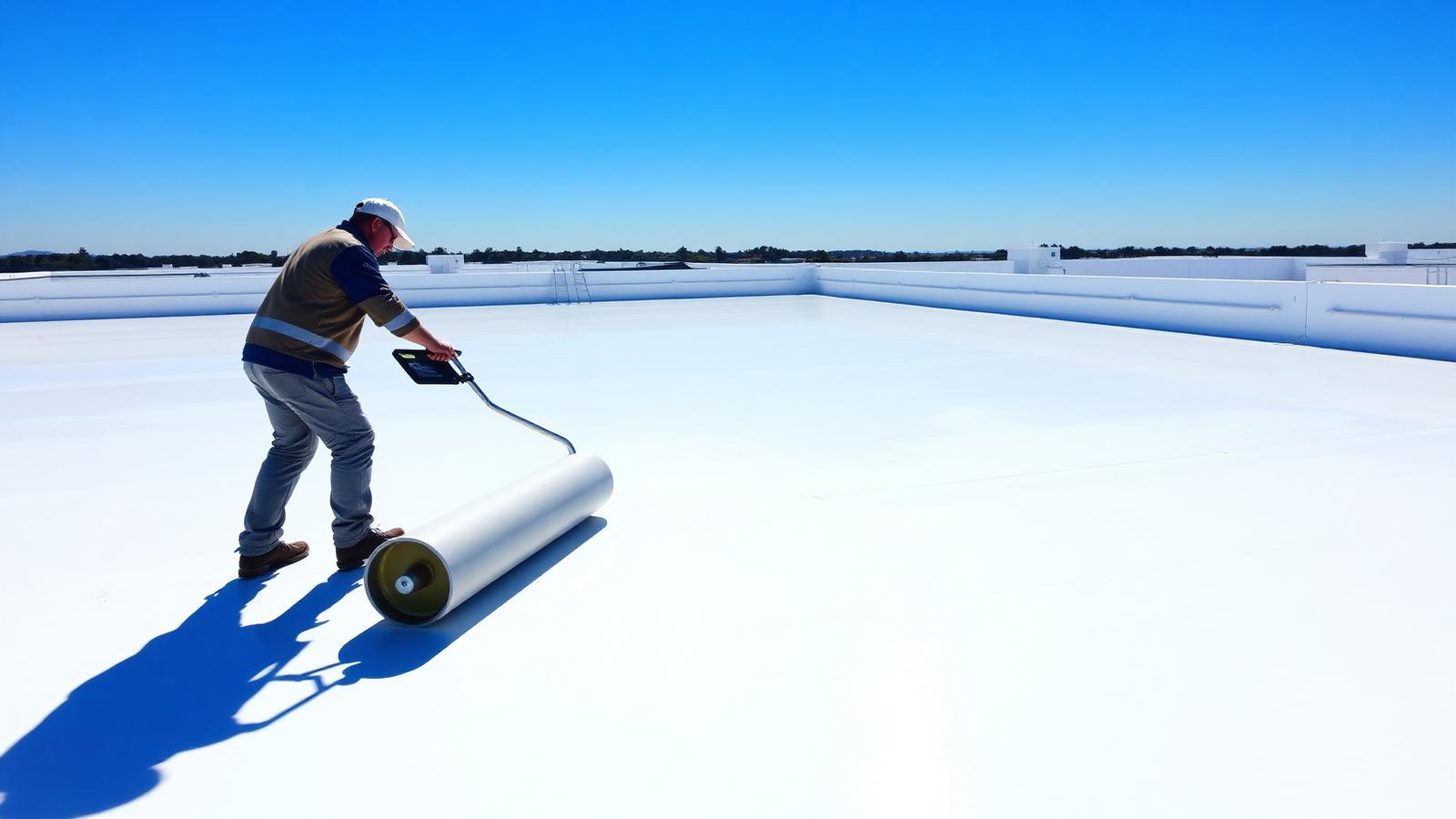
TPO (thermoplastic polyolefin) runs roughly $7–$12 per square foot installed and is rated for 20–30 years. It's the volume leader in commercial roofing, and it's a decent product — when it's thick enough and welded well. The dominant failure mode is seam separation at the welds, which industry claims data shows appearing as early as 8–12 years on thinner 45-mil membranes. UV-driven surface cracking follows at 12–15 years, particularly in hot climates. That last phrase should get your attention, because you own a roof in one.
PVC costs more — roughly $9–$15 per square foot — for a similar 25–30 year rating. Its real superpower is chemical resistance: if your building houses a restaurant, commissary, or industrial tenant venting grease and oils onto the roof, PVC earns its premium. Its historical weakness, plasticizer migration that turns old membranes brittle, is mostly a pre-2010 formulation problem.
EPDM, the black rubber membrane, is the budget option at $5–$9 per square foot with a 25–30 year rating. It stays flexible to 40 below zero, which is why it dominates in Minnesota. In South Florida, that cold-weather advantage is worth nothing, and its reflectivity problem is worth a lot: black EPDM carries a solar reflectance index (SRI) of roughly 10–18. It absorbs heat all day and hands the bill to your air conditioning.
Modified bitumen lands at $6–$11 per square foot with the shortest rated life of the group, 15–25 years. Its cap-sheet granules shed over time — noticeably by years 12–18 — and every lost granule exposes asphalt to the UV that breaks it down faster. Mineral-surfaced mod-bit reflects poorly (SRI 20–35) and usually can't qualify as a cool roof.
What South Florida Does to Every One of Them
Three local realities separate a spec sheet from a roof that survives here.
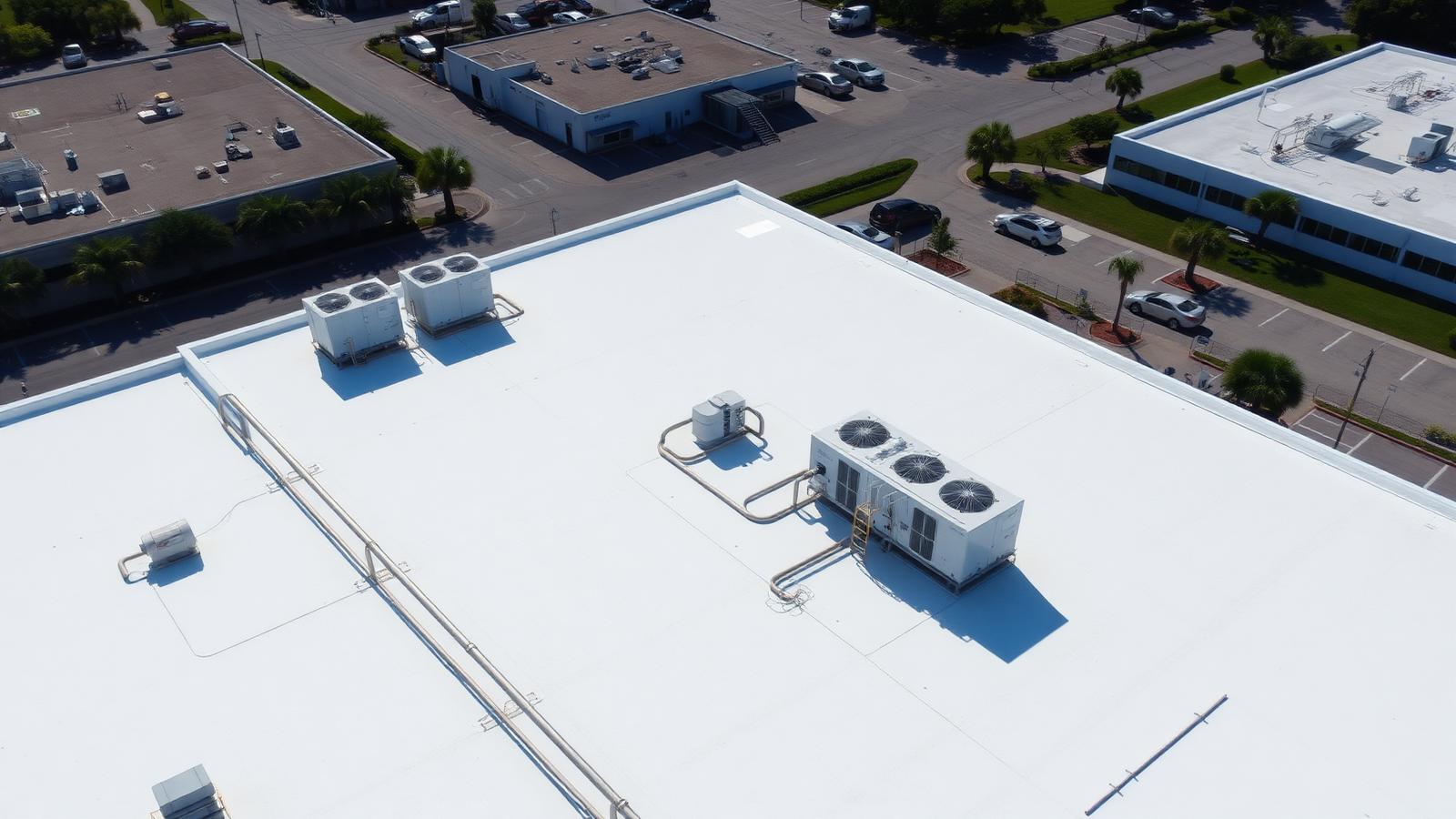
The sun ages membranes fast — and dirties them faster. Even white "cool" membranes lose reflectivity as they weather: TPO that starts at an SRI of 78–86 typically ages to 64–72 within three years. In a market where cooling drives your utility bill ten months a year, that fade is money.
Ponding water voids warranties. Across every membrane type, the single largest cause of premature flat-roof failure is standing water — and virtually all manufacturer warranties exclude it. South Florida's rainy season delivers the water; a deck with dead-level spots does the rest. Any system you choose is only as good as the drainage under it.
The HVHZ raises the bar. All of Miami-Dade and Broward counties sit inside Florida's High-Velocity Hurricane Zone, where roof assemblies must be designed for 185+ mph winds and every component needs a current Miami-Dade Notice of Acceptance (NOA). Mechanically attached membranes meet the standard with dense fastening patterns — thousands of individual screws, each one a small hole and a potential leak path. It's worth asking any bidder to show you the NOA for the exact assembly they're proposing, not just the brand name.
Where SPF + Silicone Fits — and Why We Install It
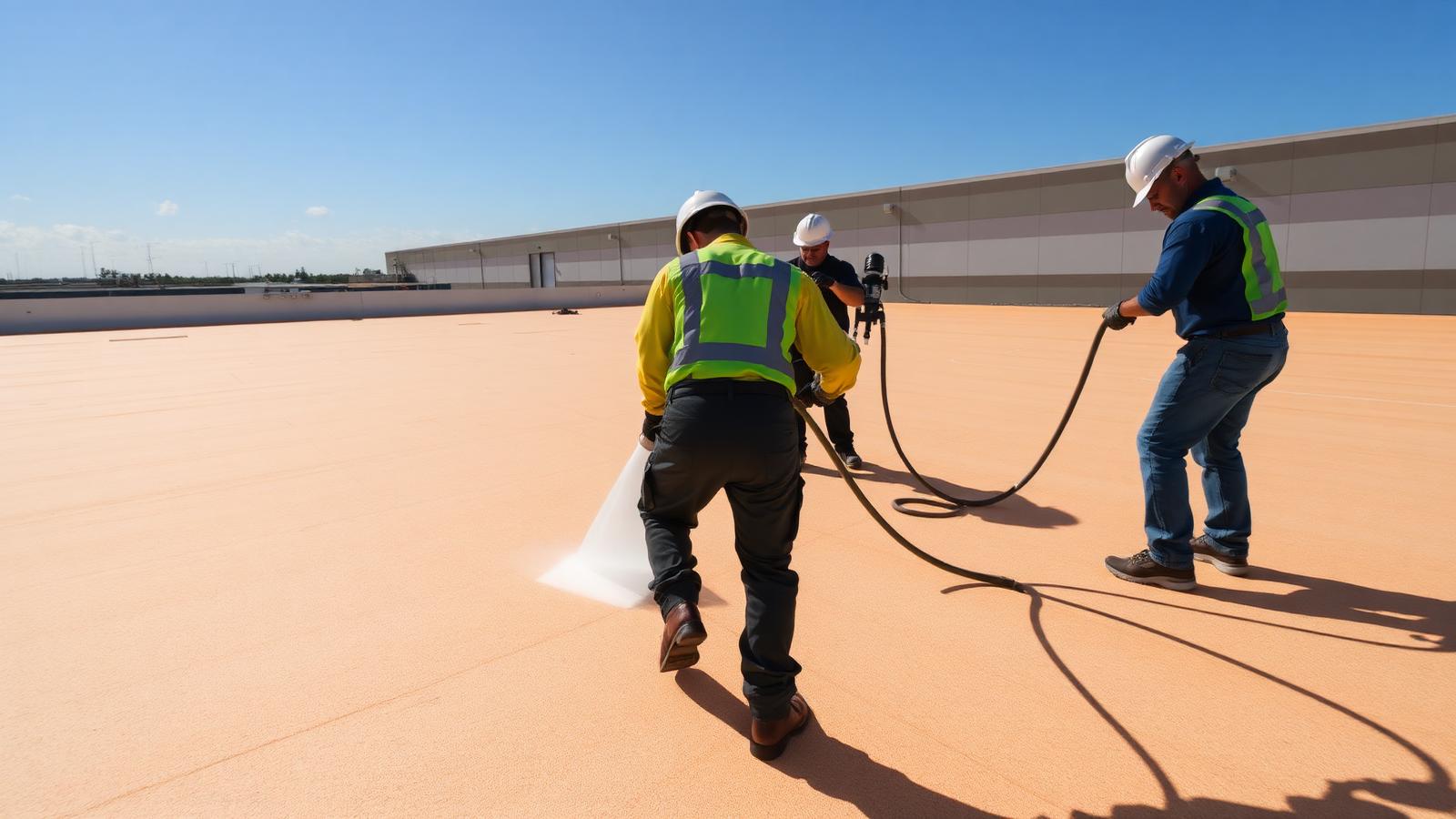
Spray polyurethane foam takes a different approach to every problem above. It's applied as a liquid that expands and cures into a single monolithic surface, fully adhered to the substrate with no fasteners and no seams. It self-flashes around penetrations — the curbs, vents, and HVAC stands where membrane roofs need hand-cut detail work. And at R-6.25 per inch, it's the only roofing system that is also insulation; SPF roofs are credited with cutting cooling energy costs by 20–30% depending on the building.
The economics are different, too. New SPF installations run roughly $3.50–$7.00 per square foot — below every membrane on the list — and over an existing sound roof, SPF and silicone typically restore at about one-third the cost of replacement, with no tear-off, no dumpsters, and no tenants working under an open deck. The silicone topcoat handles the UV and, unlike most coatings, tolerates ponding water. When it wears, you recoat (typically $1.50–$4.00 per square foot every 10–20 years with silicone) instead of replacing. Industry guides put well-maintained SPF systems at 40–50+ years, because the foam itself doesn't wear out — only the sacrificial coating does.
A flat roof fails at its seams and fasteners. A spray foam roof doesn't have any.
The Honest Part: When a Membrane Is the Right Call
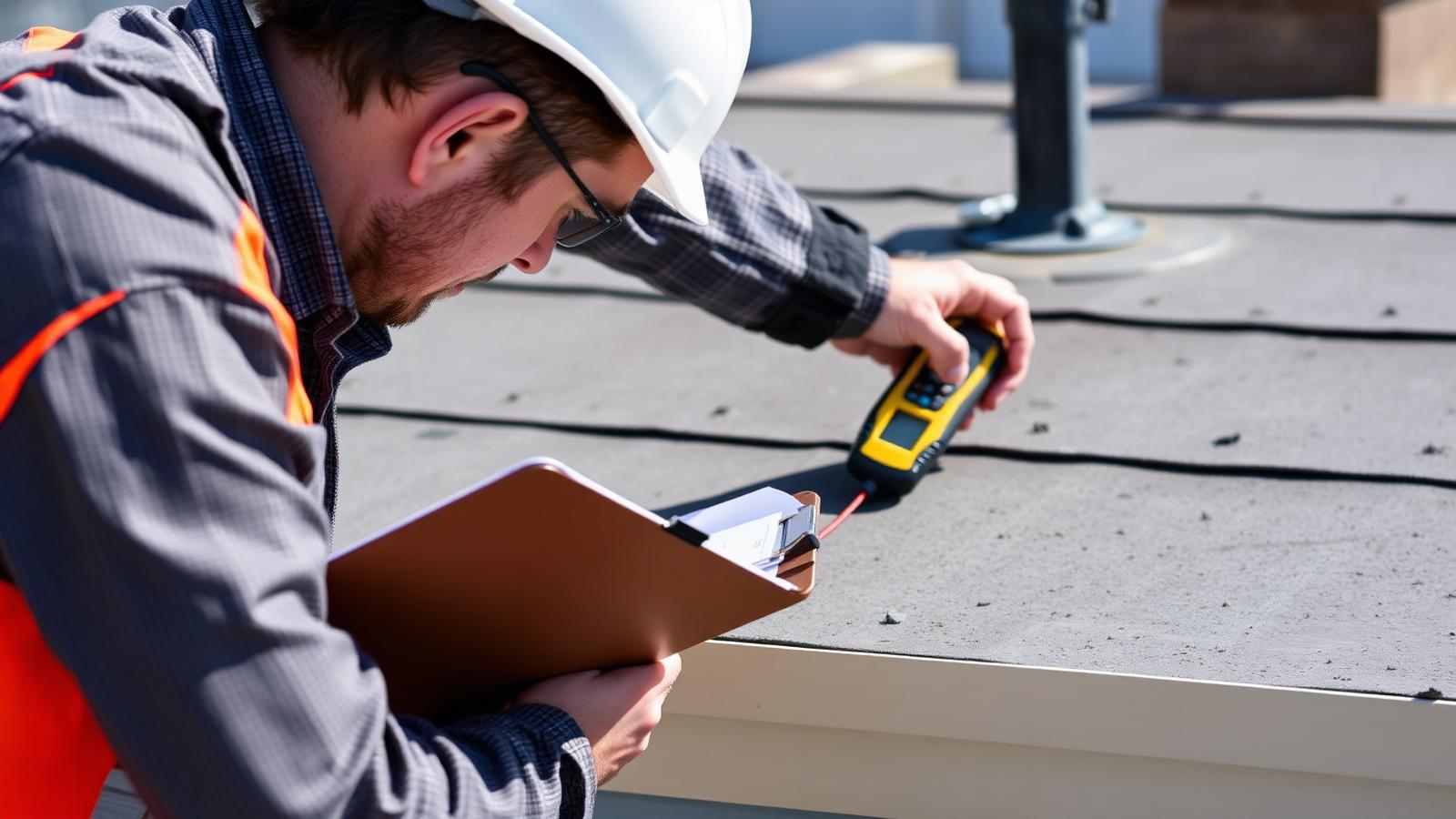
We disqualify roofs from restoration all the time, and the deciding factor is usually moisture. Our rule: if a moisture scan shows less than 15% of the roof area wet, restoration makes sense — cut out and repair the wet spots, then coat or foam over a dry assembly. If more than 50% is saturated, coating over it just seals water into your building, and you need a replacement. In between, it's a roof-by-roof engineering judgment.
There are other cases where we'll point you elsewhere. A roof deck that's structurally failing needs a rebuild, not a coating. A building with heavy grease exposure may be better served by PVC. And if your capital plan calls for a vertical expansion in five years, spending on any premium system is money down the drain. A contractor who never tells you "not this one" isn't advising you — he's closing you.
How to Decide in One Afternoon
You don't need three sales lunches. You need three data points: the moisture percentage of your existing assembly, the age and condition of the membrane or cap sheet, and your building's cooling load. An infrared moisture scan plus a core sample answers the first two; your FPL bills answer the third. From there, the restore-versus-replace decision — and the system choice — mostly makes itself.
FAQ
Is spray foam roofing approved for the High-Velocity Hurricane Zone? Yes. SPF systems with current Miami-Dade NOAs are installed throughout the HVHZ. Because SPF is fully adhered with no mechanical fasteners and no edge to catch wind, uplift performance is a strength of the system — ask to see the NOA for the specific assembly proposed on your roof.
Can you install SPF or silicone over my existing TPO, EPDM, or mod-bit roof? Usually, yes — that's the core of restoration. If the existing roof is sound and moisture testing shows limited saturation, foam and silicone go directly over it, saving the tear-off. Wet insulation gets cut out and replaced first.
Which flat roof system is cheapest over 20 years, not just on day one? Run the numbers per year of service, including energy. A mid-priced membrane replaced after 20 years often costs more per year than a restoration at a third of the price that's renewed with recoats — before counting the 20–30% cooling savings SPF's insulation adds.
The fastest way to find out what your roof actually needs — restore, repair, or replace — is a free roof assessment from a crew that's been making this exact call in South Florida for three decades. Our core team has worked together for 20+ years, and we'll give you the moisture numbers, the honest verdict, and a price in writing. Call ROOF KING at 954-782-3002 or request your free assessment today. Strength from above.
Sources
Related reading
Free assessment
Free Commercial Roof Assessment
Licensed & insured Florida commercial roofing. Spray foam and silicone restoration across South Florida — no pressure, no cost.