Commercial Roofing in Pompano Beach: A Working Guide From the Company Headquartered Here
Most roofing companies "serve" Pompano Beach. Ours is built here. Roof King's headquarters sits at 1913 NW 18th Street, in the middle of the same industrial corridor where many of our clients own and manage buildings. When a property manager on Copans Road or Atlantic Boulevard calls about a leak, the truck that shows up didn't drive in from Orlando — it came from ten minutes away, driven by a crew that has worked these same roofs for two decades.
That local vantage point matters, because Pompano Beach roofs face a very specific set of conditions. This guide covers what those conditions do to a commercial flat roof, what the building stock here actually looks like, what the High-Velocity Hurricane Zone rules mean for your next roofing decision, and when restoration beats replacement.
What a Pompano Beach Roof Is Actually Up Against
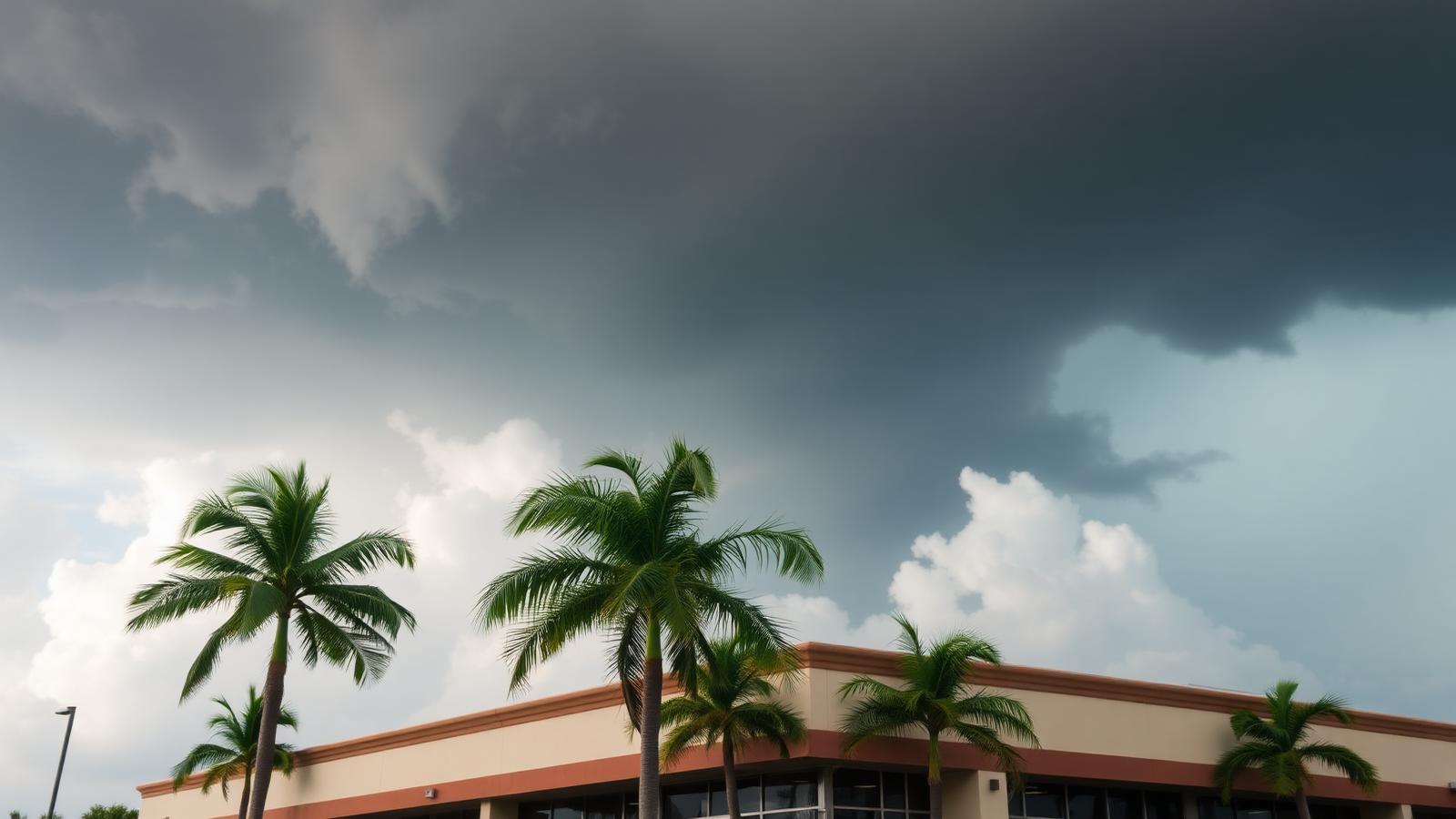
Pompano Beach averages about 57 inches of rain a year — nearly double the U.S. average — and the heaviest of it lands in late summer, with September alone averaging around 7 inches. The average annual high temperature runs about 85°F, which means membrane surface temperatures on an unshaded flat roof routinely push far higher. Add near-constant UV exposure, salt-laden air off the Atlantic, and afternoon thunderstorms that dump an inch of water in under an hour, and you have one of the hardest environments in the country for a low-slope roof.
Here's the part that catches owners off guard: the damage is cumulative and mostly invisible from the ground. UV slowly embrittles single-ply membranes and dries out modified bitumen. Thermal cycling — hot afternoons, sudden storm cooldowns — works seams and flashings loose a fraction at a time. Then a September storm finds the opening.
Your roof gets 57 inches of rain a year and a UV assault nearly every day in between — the question isn't whether it's aging, it's whether anyone is watching it age.
The Buildings We're Talking About
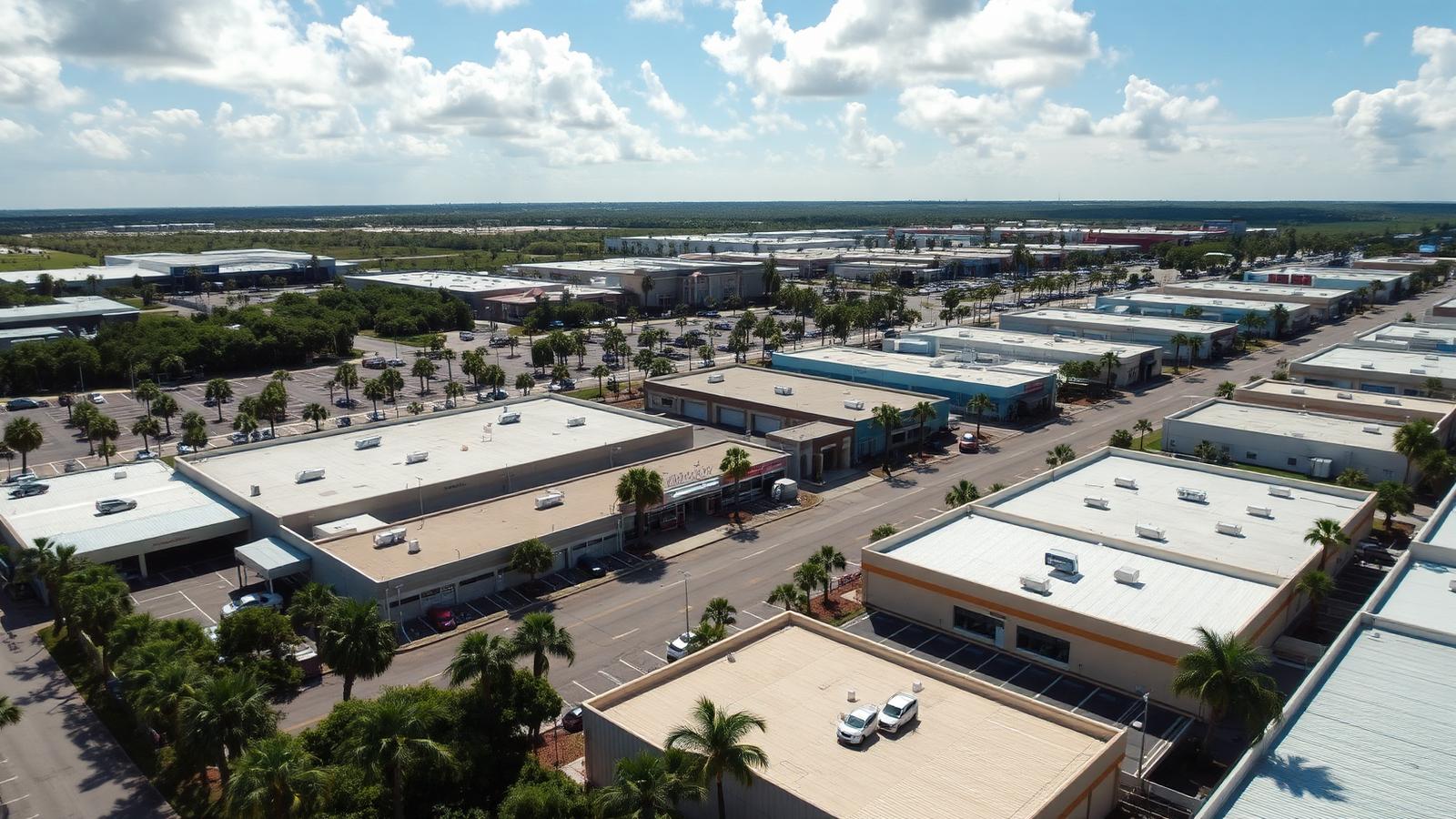
Pompano Beach is one of Broward County's densest concentrations of industrial and flex space. Commercial listing data shows the activity clustered in three areas we know street by street: Northwest Pompano (the largest concentration, and where our own shop sits), the Andrews Industrial District along Andrews Avenue, and Cresthaven. Warehouse and distribution space dominates, with flex-industrial and light manufacturing filling in the rest, and asking rents for industrial space now averaging in the high teens per square foot.
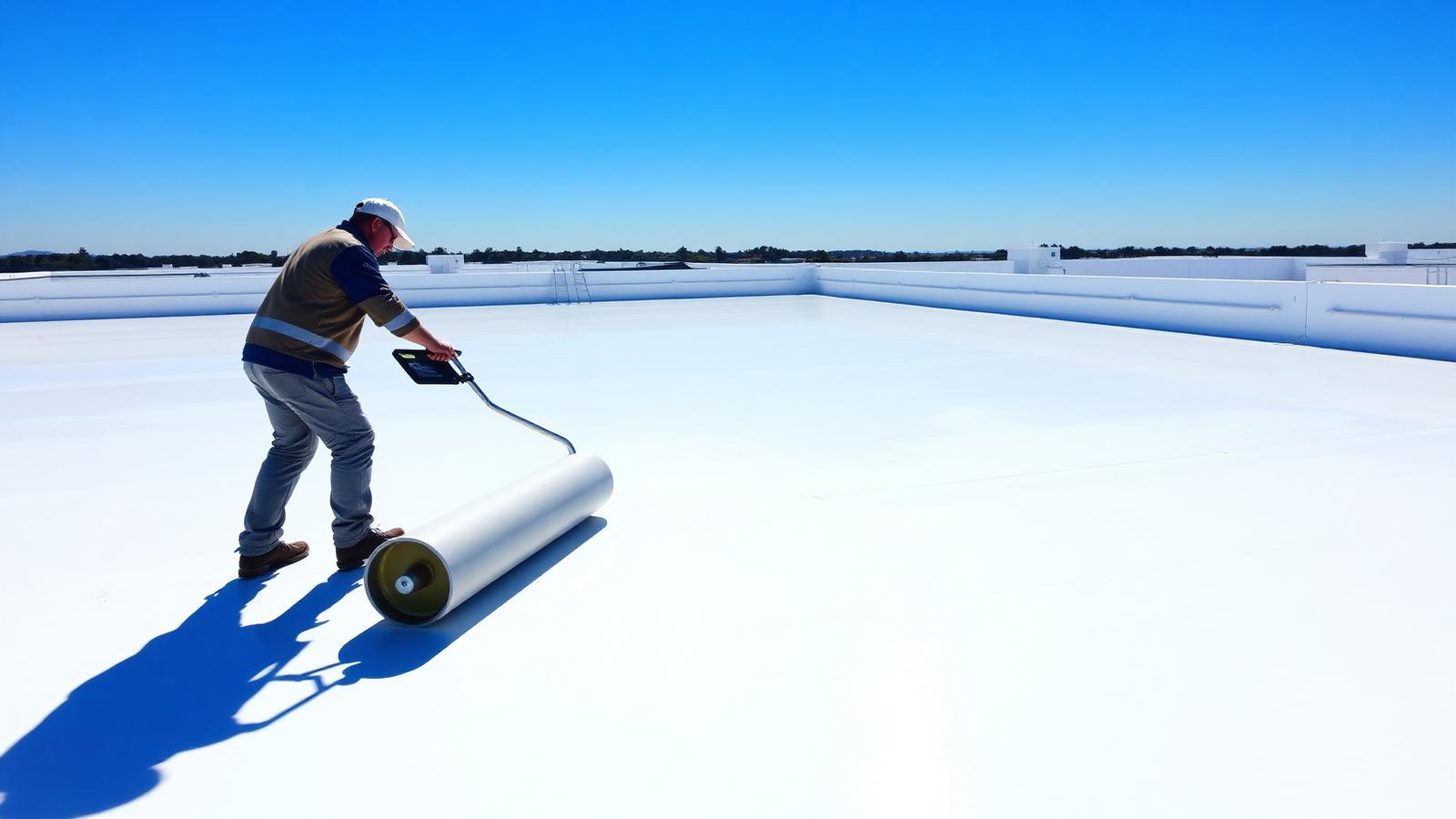
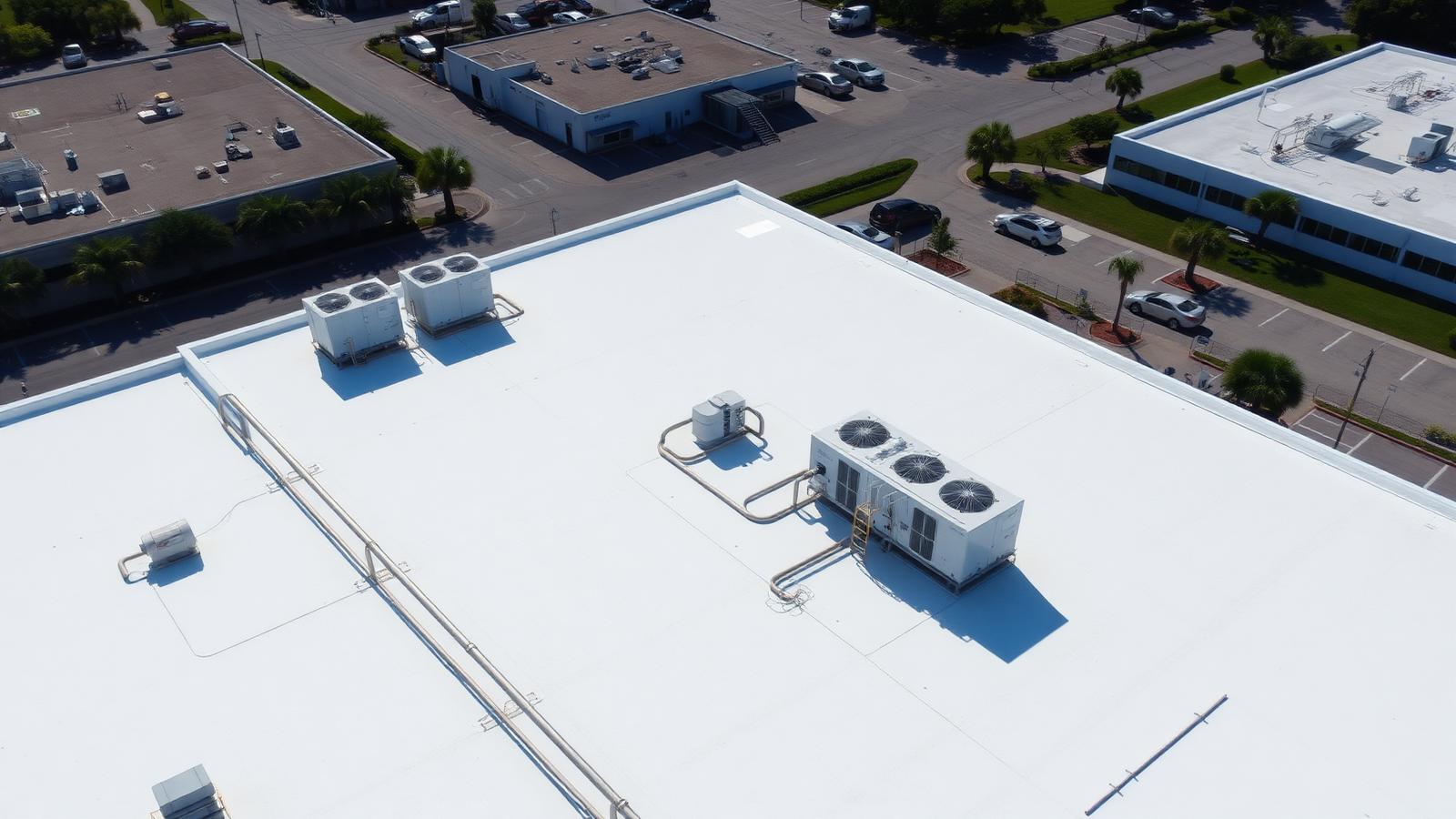
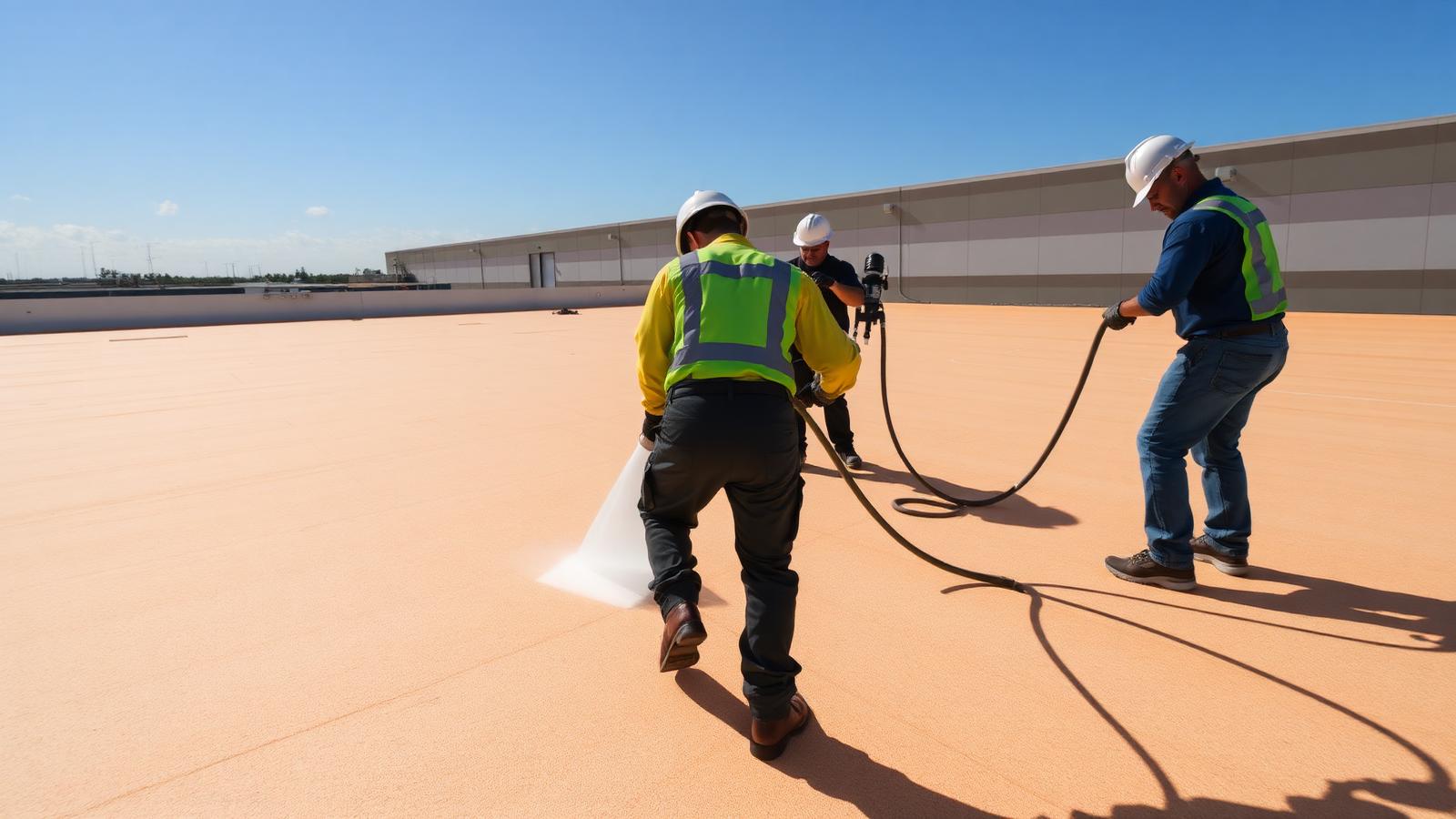
Two things follow from that. First, much of this stock was built decades ago, which means a large share of Pompano's flat roofs — built-up, modified bitumen, aging TPO — are at or past the age where owners start getting replacement quotes. Second, at today's rents, downtime is expensive. A tear-off on an occupied warehouse means exposed decking, debris, noise, and tenants asking hard questions. That's exactly the disruption a restoration approach avoids: spray polyurethane foam and silicone coating systems go over the existing roof, with no tear-off and no interruption to the business running underneath.
What the High-Velocity Hurricane Zone Means for Your Roof Decision
Pompano Beach sits inside Florida's High-Velocity Hurricane Zone (HVHZ), which covers Broward and Miami-Dade counties — the strictest roofing jurisdiction in the United States. Design wind speeds for typical commercial buildings in Broward run roughly 170–180 mph depending on the site and risk category, and roofing products used here must carry either a Miami-Dade Notice of Acceptance (NOA) or a Florida Product Approval rated for HVHZ use, backed by testing protocols like TAS 201, 202, and 203 for impact and pressure cycling.
For an owner weighing options, the practical takeaways are these. A full replacement in the HVHZ is a bigger project than the same replacement elsewhere — every component, from deck attachment to the covering itself, has to meet the current code's wind-uplift and product-approval requirements, and that rigor is reflected in the bid. A properly specified restoration, by contrast, works with a roof that is still structurally sound: SPF applied over the existing system actually adds a seamless, fully-adhered layer with no fasteners or edges for wind to grab, which is one reason foam roofs have such a strong hurricane track record. Either way, product approvals and permitting need to be handled correctly — it's a significant part of why we recommend working with a contractor who does this in Broward County every week, not occasionally.
One honest caveat: HVHZ compliance is site-specific. Wind speeds, permitting requirements, and whether your project is treated as a repair, recover, or replacement depend on your building and its condition. That's part of what a real assessment establishes before anyone quotes you a number.
Restore or Replace? The Same Rule Applies on Every Pompano Roof
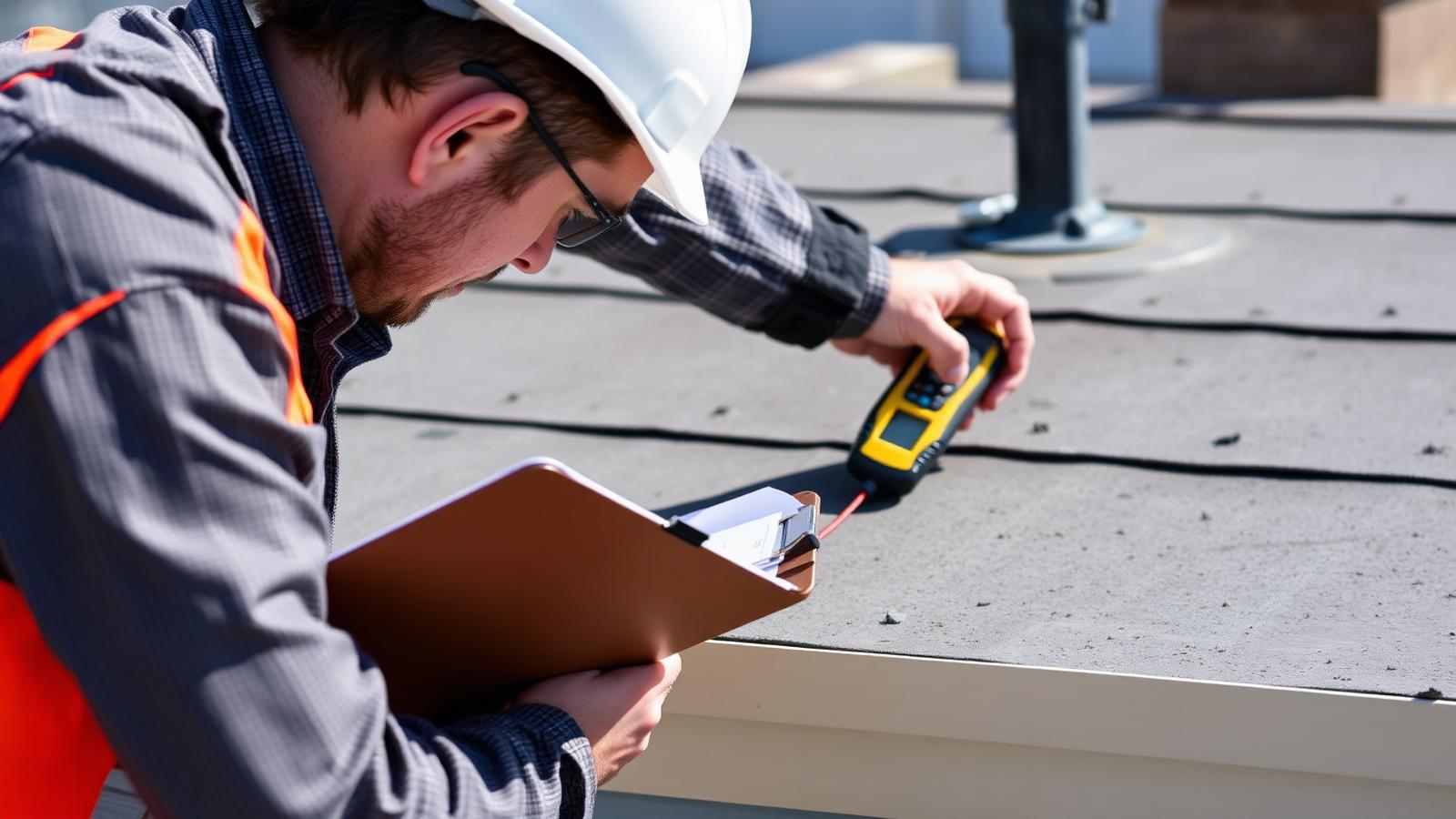
We apply one test before recommending anything, and we apply it with a moisture scan, not a sales pitch. It's the Moisture Rule: if less than 15% of the roof assembly is wet, the roof is a restoration candidate — we address the wet areas and go over the top with SPF and silicone at roughly one-third the cost of replacement. If more than 50% is saturated, coating over it would be malpractice, and we'll tell you to replace it even though that usually means we're talking ourselves out of the job.
That honesty is easier to sustain when you've been in the same city for a long time. Roof King has operated for more than 30 years, our core crew has been together for over 20, and we've installed more than 10 million square feet of roofing across South Florida with 7 fully-rigged spray trucks and 25 people on payroll. In a market this small — and Pompano's industrial community is smaller than it looks — reputation compounds. We also work as a sub for other roofing contractors who don't run foam rigs, with a 24-hour response on sub-bid requests.
What to Do Before the Next Wet Season
September's rain totals are a reminder, not a surprise — they come every year. The cheapest time to deal with a Pompano Beach roof is before the wet season finds its weak points, and the best tool for that is information: a moisture scan, a core-condition read, and a straight answer on whether you're a restore or a replace. For buildings that check out, our Crown Care maintenance program keeps them monitored season over season.
FAQ
Do roofing products in Pompano Beach need a Miami-Dade NOA? Products used in the HVHZ — which includes all of Broward County — must carry either a Miami-Dade NOA or a Florida Product Approval rated for HVHZ use. Your contractor should be able to show you the approval documents for the specific system being proposed before permitting.
Is a coating or SPF restoration allowed under HVHZ rules? Yes, when the existing roof qualifies. Restoration systems are installed over structurally sound roofs using HVHZ-approved products, and the permitting path depends on the scope and condition of the existing assembly. A moisture survey is the starting point for determining what your roof qualifies for.
How do I know if my Pompano Beach roof can be restored instead of replaced? The Moisture Rule: under 15% wet, restore; over 50% wet, replace; in between, it's a judgment call based on the scan data. The only way to know which side you're on is a moisture survey — which is included in our free assessment.
If you own or manage a commercial building in Pompano Beach, start with a free roof assessment — a real inspection with moisture data and a straight recommendation, from the company headquartered in your own industrial corridor. Call Roof King at 954-782-3002. Strength from above.
Sources
Related reading
Free assessment
Free Commercial Roof Assessment
Licensed & insured Florida commercial roofing. Spray foam and silicone restoration across South Florida — no pressure, no cost.