Roofing Manufacturers Just Raised Prices Twice in One Year. Here's What That Does to Your Replacement Bid.
If you got a commercial roof replacement quote in the spring and you're planning to act on it this fall, call your contractor before you call your board. The number has probably moved — and not in your favor.
2026 has turned into one of the heaviest years for commercial roofing price increases in recent memory. Federal tariffs of 50% on articles made almost entirely of steel, aluminum, or copper took effect April 6, with 25% on derivative products that are substantially made from those metals. Then the manufacturers followed. Not once — in wave after wave. And two more increases on roof cover boards are landing right now, in late September and October.
After 30+ years pricing commercial roofs in South Florida, we've watched plenty of cost cycles. This one is different in a specific way: it hits a full tear-off replacement on nearly every line item, while a restoration sidesteps most of the stack. Here's the breakdown.
The 2026 Price-Increase Scoreboard
Distributor price boards read like a roll call this year. Among the announcements posted through ABC Supply for low-slope commercial products in 2026:
- Carlisle SynTec raised prices April 1, then again July 1 — TPO membranes and accessories up 6–8%, PVC and EPDM up 5–7%, and polyiso insulation up 5–7% in the July round alone. Carlisle also added a freight surcharge of $750 per shipment effective May 11, citing petrochemical supply-chain pressures that "have deepened" since its March announcement.
- GAF announced commercial increases effective April 16, May 1 (including polyiso and roof coatings), and July 1.
- Johns Manville posted increases effective April 1, April 20, and July 13.
- IKO, Versico, MuleHide, Polyglass, CertainTeed, SOPREMA, and Elevate all filed their own 2026 increases — several of them two or three times.
And the wave isn't over. National Gypsum announced a price increase on DEXcell roof boards taking effect on shipments from September 28, and Georgia-Pacific's DensDeck cover boards follow for U.S. shipments starting October 12. If your replacement spec calls for a gypsum cover board — and most quality single-ply replacements do — that line item goes up within weeks.
One honest caveat, which the tariff analysts themselves emphasize: a 50% tariff does not mean a 50% more expensive roof. Tariffs apply to specific imported articles, not to labor, permits, or domestically produced components. But when membrane, insulation, cover board, edge metal, fasteners, and freight all rise 3–10% each in the same year — some of them twice — the installed price of a full replacement compounds fast.
Why Replacement Absorbs Every Hit — and Restoration Doesn't
Think about what a tear-off replacement actually buys, line by line: new membrane across the entire roof. New polyiso insulation, often two layers. A gypsum cover board. New edge metal, termination bar, and drip edge — all steel or aluminum, now carrying tariff exposure. Thousands of fasteners and plates. Dumpsters and tipping fees for everything that came off. Every one of those lines took at least one 2026 increase, and the metal components took the biggest.
Now look at a spray foam or silicone restoration over a sound existing roof. The insulation you already own stays. The cover board stays. There's no tear-off, so there's no disposal. The metal package is minimal. What you're buying is primarily coating and foam — materials that saw increases too (GAF's coatings line went up May 1; we won't pretend otherwise), but you're buying far less material overall, applied to a roof assembly you already paid for.
That's the structural reason restoration runs about one-third the cost of replacement — and it's the reason this year's price wave widens the gap instead of closing it. Replacement is exposed on eight line items. Restoration is exposed on two.
When every line item on a tear-off gets more expensive, the smartest square footage on your roof is the square footage you don't tear off.
The Budget-Season Problem for South Florida Owners
Here's why the timing matters in Broward, Miami-Dade, and Palm Beach specifically: September and October are budgeting season. Condo boards are setting 2027 reserves. Property managers are locking capital plans. And a lot of those plans are built on replacement quotes gathered in early 2026 — before the July increases from Carlisle, GAF, IKO, and Versico, and before the cover-board increases now landing.
If the roof line in your 2027 budget is based on a spring number, it's stale. You have three honest options: re-quote the replacement at current pricing and adjust the budget up, defer the work and hope 2027 pricing is kinder (the 2026 pattern of repeat increases doesn't argue for that), or find out whether the roof actually needs replacement at all.
That third option is the one most owners skip, and it's the cheapest question in commercial roofing to answer.
First, Find Out What Your Roof Actually Needs
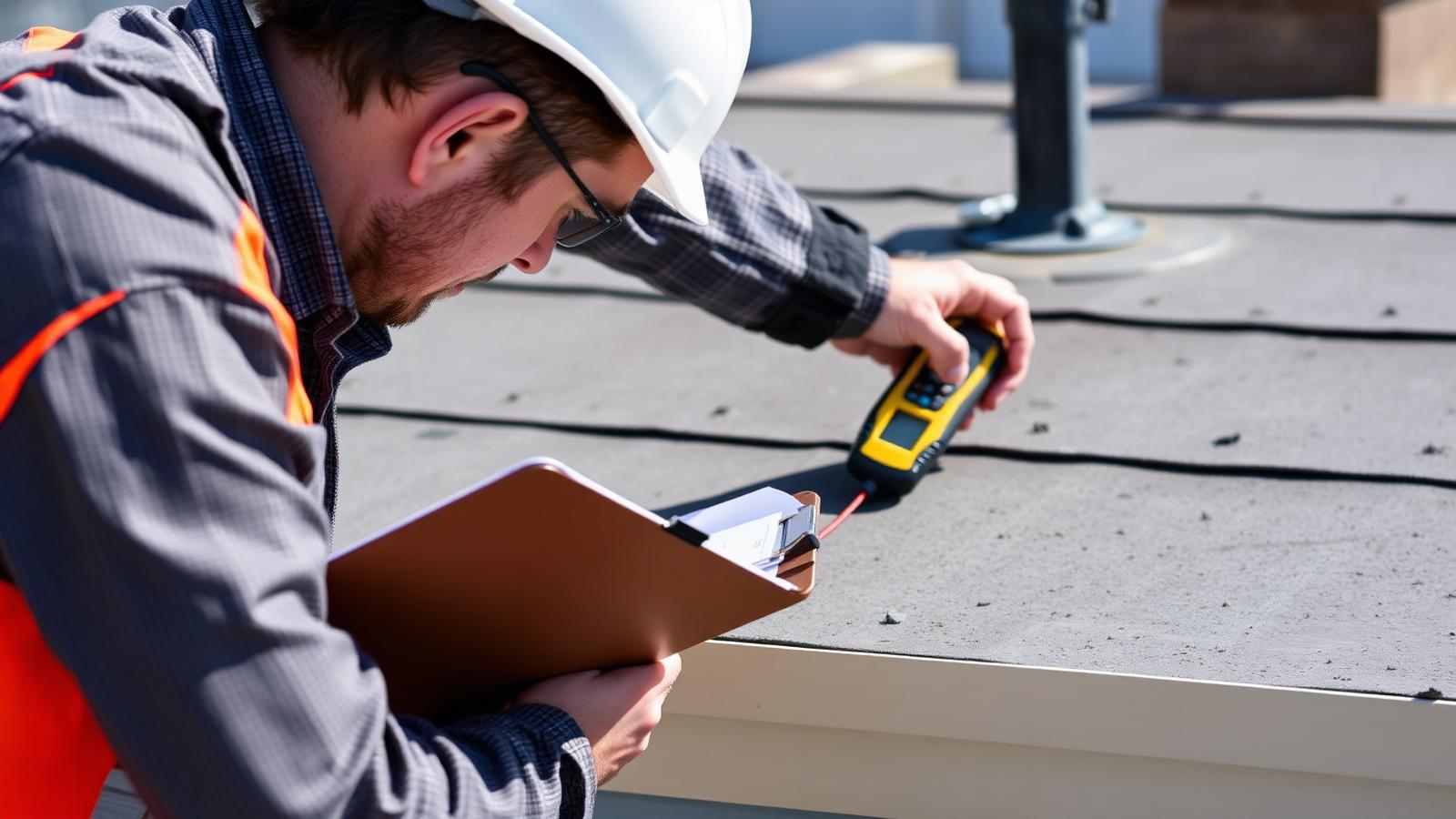
We don't restore every roof, and we'll tell you when we can't. Our rule is the Moisture Rule, and it's simple: if a moisture survey shows less than 15% of the roof is wet, it's a restoration candidate — the wet areas get cut out and repaired, and the rest of the assembly keeps working for you. If more than 50% is saturated, coating over it would be burying a problem under new material, and we'll tell you to replace. In between, it's a conversation about budget and timeline.
The point is that this is a measurement, not an opinion. Before you re-price a tear-off at 2026's numbers, it's worth 30 minutes to find out whether the roof you have qualifies to be kept. Across 10M+ square feet installed in South Florida — with the same core crew for over 20 years — we've seen far more roofs pass that test than owners expect, including roofs that already had a replacement quote sitting on someone's desk.
FAQ
Will roofing prices come back down in 2027? Nobody can promise that, and we won't. What we can say is that 2026 brought multiple rounds of increases from the same manufacturers within months of each other, plus tariffs on metal components that remain in effect. Budgeting for prices to fall is a bet; budgeting at today's numbers is a plan.
Does restoration lock me out of replacing later? No. A silicone or SPF restoration typically buys 10–20 years of service, renewable with recoats. If the building's long-term plan eventually calls for replacement, you've deferred that capital cost to a future budget cycle — with a watertight, reflective roof in the meantime.
My replacement quote is from March. Is it still good? Ask the contractor directly — most 2026 quotes carried short validity windows precisely because manufacturers were repricing mid-year. If the quote predates the July increases, expect movement when it's refreshed.
Before you re-budget a replacement at this year's prices, find out if your roof needs one. ROOF KING has restored commercial roofs across South Florida for 30+ years — 10M+ square feet, 7 fully-rigged spray trucks, and a crew that's been together for two decades. Start with a free roof assessment, or run your building through our Instant Roof Analyzer online. Call 954-782-3002. Strength from above.
Sources
Related reading
Free assessment
Free Commercial Roof Assessment
Licensed & insured Florida commercial roofing. Spray foam and silicone restoration across South Florida — no pressure, no cost.