Florida's New Building Code Arrives December 31 — and It Just Made the Case for Roof Restoration Stronger
Every few years, Florida rewrites the rulebook that governs what happens on your roof. The next rewrite is now on the calendar: the 9th Edition of the Florida Building Code takes effect December 31, 2026. Projects permitted before that date follow the current 8th Edition; anything permitted after must comply with the new one.
For South Florida commercial property owners and managers, this update is worth ten minutes of your attention — because for once, the code is moving in the direction of keeping more of your existing roof instead of tearing it off. That's the business we've been in for 30+ years, and the 2026 changes read like a quiet endorsement of the restoration approach.
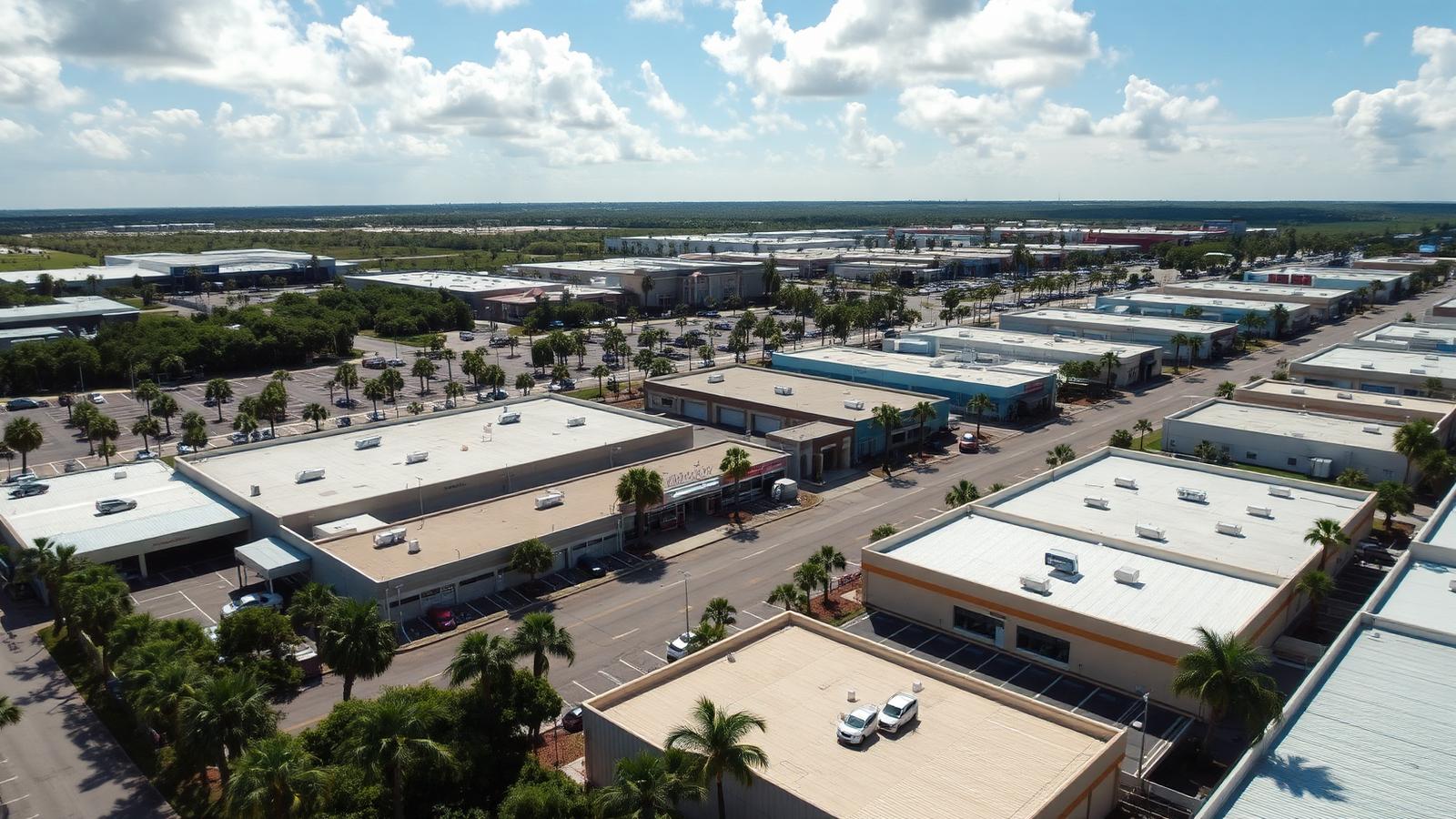
Here's what's actually changing, what isn't, and what it means for buildings in Broward, Miami-Dade, and Palm Beach counties.
What's Changing, and When
The Florida Building Commission updates the statewide code roughly every three years. The 9th Edition was finalized in 2026 and becomes enforceable on December 31, 2026, according to analysis by Florida construction law firm Jimerson Birr. The permit date is what matters: pull a permit December 30, and your project is reviewed under the 8th Edition. Pull it a week later, and the 9th Edition applies.
Two clusters of changes matter most for commercial low-slope roofs: revised reroofing provisions in the Existing Building chapter, and the adoption of a newer national wind-load standard, ASCE 7-22.
The Recover Rules Just Got Friendlier to Restoration
The most interesting changes for flat-roof owners sit in Section 706.3, the part of the code that decides when you can recover an existing roof versus when you must strip it to the deck. The Florida Roofing and Sheet Metal Contractors Association (FRSA) has published a detailed breakdown, and the direction is clear:
Existing insulation can stay. Under revised Exception 3, where two roof covering applications exist and the upper system is removed, high R-value insulation or lightweight insulating concrete can remain in place — as long as what's left is an adequate substrate. Under the old language, crews were routinely removing perfectly good, expensive insulation just to satisfy the letter of the code.
Sound membranes on the deck can stay. New Exception 5 allows existing vapor barriers or self-adhering membranes adhered directly to the deck to remain when covered with a new compliant membrane layer.
FRSA's own summary of the intent says it plainly: these changes are meant to reduce labor intensity, respect the building owner's previous investment, and keep serviceable material out of landfills.
The 2026 code stops punishing building owners for having a roof that still works.
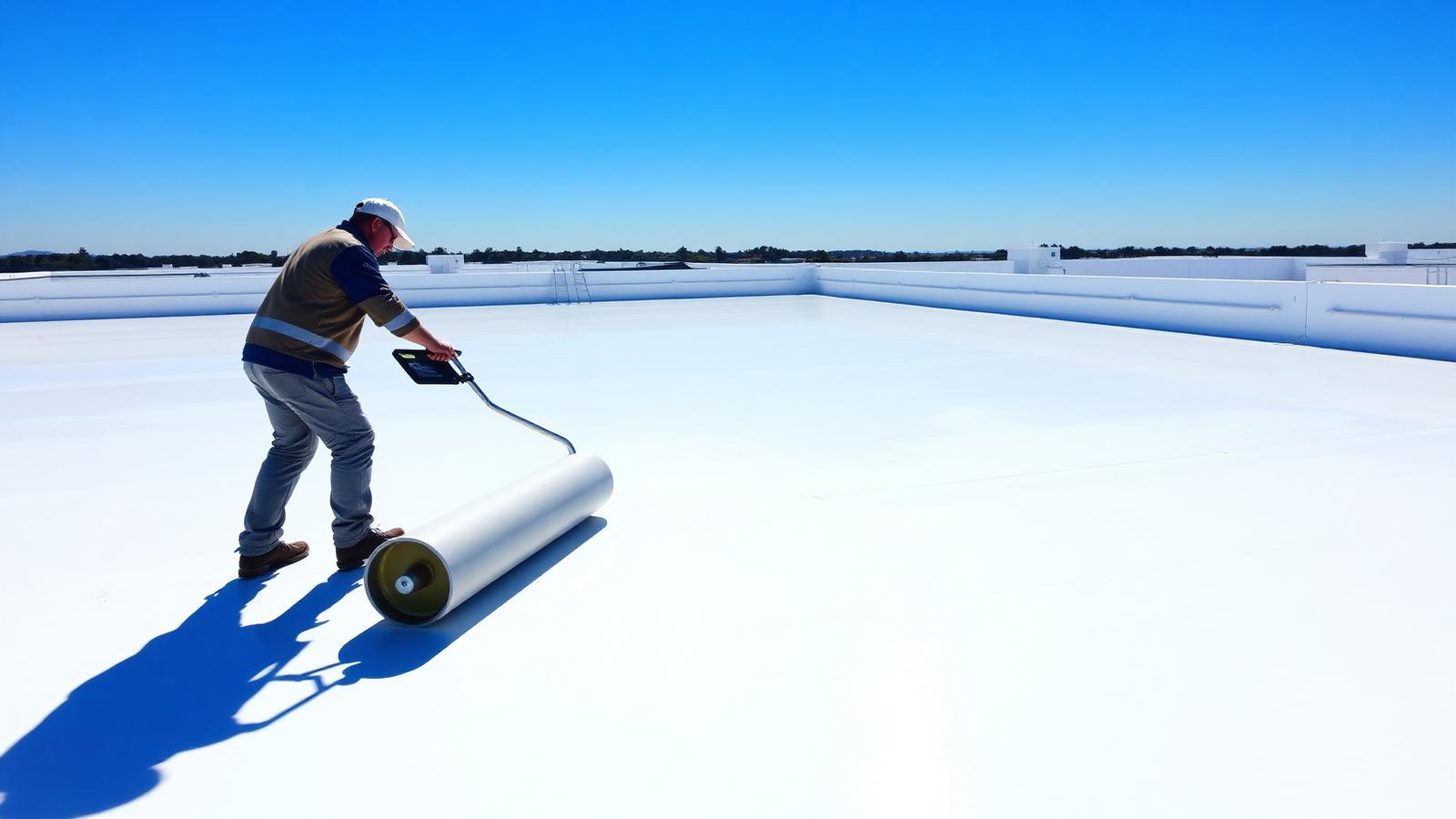
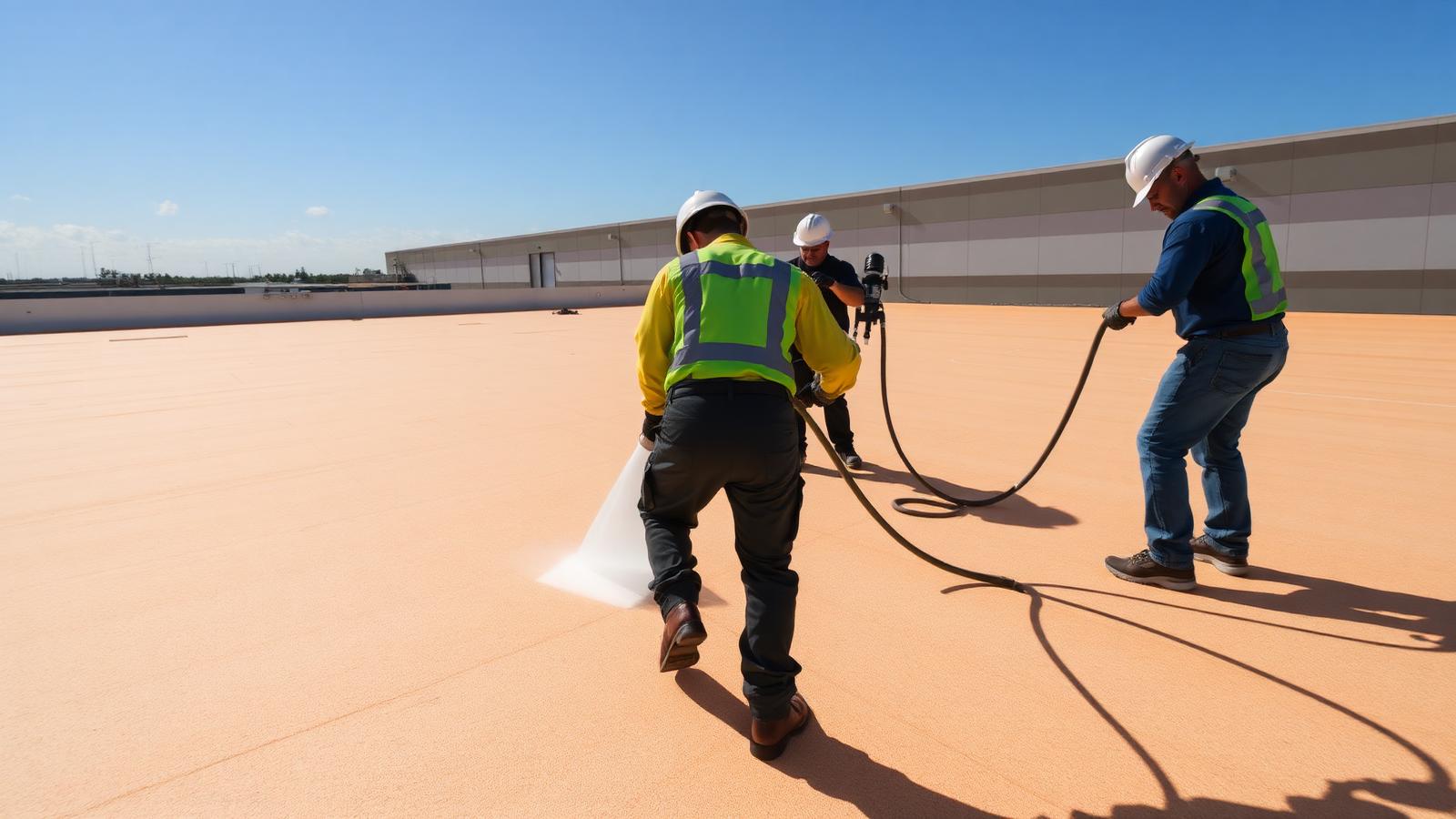
That's precisely the logic behind spray foam and silicone restoration. When we restore a commercial roof, we're building on the sound parts of what's already there — no tear-off, no dumpsters staged in your parking lot, no tenants working under an open deck. Restoration typically runs about a third the cost of replacement. The code has now moved closer to that philosophy: verify what's sound, keep it, and build up from there.
The verification part still matters — to the code and to us. Our Moisture Rule hasn't changed: if a moisture survey shows less than 15% of the roof is wet, restoration is on the table; above 50%, we'll tell you to replace, because coating over a saturated roof helps nobody. The new code's "adequate substrate" language makes that kind of honest moisture survey more valuable, not less.
ASCE 7-22: New Wind Math, New Product Approvals
The 9th Edition adopts ASCE 7-22 as its wind-load standard. Per Jimerson Birr's analysis, design wind speeds increased mainly in the western Panhandle, while peninsular Florida's mapped speeds are largely unchanged — so South Florida buildings aren't suddenly facing higher mapped wind speeds.
But there's a practical wrinkle: roofing assemblies and product approvals must line up with ASCE 7-22 calculations, and systems that passed under the old standard may need fresh engineering verification. The pressure-zone maps and coefficients have been reworked, and new provisions govern roof overhangs, pavers, and rooftop solar. Even the lookup tools changed — the old ATC Hazard By Location site is out; the ASCE 7 Hazard Tool and official maps are in.
For property managers, the takeaway isn't that you need to learn wind engineering. It's that your roofing contractor needs to have it handled — current product approvals, correct uplift calculations, and the engineering documentation to back them. This is a place where 10 million+ square feet of installed SPF and silicone, and a crew that's been doing the same work together for 20+ years, is worth more than a low bid. Wind uplift is exactly where spray foam shines anyway: a monolithic, fully-adhered roof with no seams to peel and no fasteners to back out.
The 9th Edition also expands flashing requirements across Chapter 15 — clarifying where flashing is required at edges, penetrations, slope changes, and covering transitions, per FRSA's review. Details, in other words, are getting more scrutiny, not less.
What Isn't Changing
Florida's 25% repair rule carries over intact: for roofs permitted under the 2007 code or later (generally March 2009 onward), repairs need only bring the repaired portion up to current code — not the entire roof. And nothing in the 9th Edition changes the fundamental restore-versus-replace economics. A roof that's dry, adhered, and structurally sound is still a candidate for restoration; a saturated one still isn't.
One housekeeping note: code interpretation ultimately belongs to your local building department and your design professional. Treat this article as a briefing, not a permit strategy — and confirm specifics for your building with a licensed professional.
What South Florida Property Managers Should Do Before December 31
If your roof is in the decision window — 15 to 25 years old, showing wear, on the capital plan for 2027 — the smart move is to find out what you're actually dealing with before the code changes hands. A moisture survey and roof assessment now tells you whether you're a restoration candidate, what permitting under either edition looks like for your building, and whether acting in Q4 2026 or Q1 2027 works in your favor. With NOAA still maintaining a below-normal forecast for the remainder of this hurricane season, the fall work window is shaping up to be a good one.
FAQ
Does the 9th Edition require me to replace my roof sooner? No. If anything, the revised recover provisions make it easier to keep sound existing components in place. The code decides how work must be done once you permit it; the condition of your roof — especially its moisture content — decides what work it needs.
Should I rush to pull a permit before December 31, 2026? Not automatically. For most South Florida low-slope restorations, the changes are neutral-to-favorable. The permit date determines which edition applies, so if your project is borderline under one set of rules, timing is a real lever — that's a conversation to have with your contractor and engineer once you know your roof's condition.
Will my existing roof become "non-compliant" on December 31? No. Code editions apply to new permitted work, not to existing roofs sitting in service. Your roof's warranty, insurance documentation, and maintenance record are what matter until you next permit work on it.
The 9th Edition lands December 31 — and the best position to be in when it does is knowing exactly what shape your roof is in. ROOF KING has restored South Florida commercial roofs for over 30 years from our Pompano Beach headquarters, and a free roof assessment (including moisture readings) will tell you honestly whether your building should restore, repair, or replace — under this code or the next one. Call 954-782-3002 to schedule it.
Sources: Jimerson Birr — Florida Building Code Tightens Up: New Wind-Resistance Rules for Roofing · FRSA — Changes in the 2026 9th Edition of the Florida Building Code · FRSA — Additional Changes in the 2026 Ninth Edition · NOAA — 2026 Atlantic Hurricane Season Outlook
Sources
- https://www.jimersonfirm.com/blog/2026/06/florida-building-code-tightens-up-new-wind-resistance-rules-for-roofing/
- https://www.floridaroof.com/FBC-2026-Updates
- https://www.floridaroof.com/Additional-2026-FBC-Changes
- https://www.noaa.gov/news-release/noaa-maintains-prediction-for-below-normal-atlantic-hurricane-season
Related reading
Free assessment
Free Commercial Roof Assessment
Licensed & insured Florida commercial roofing. Spray foam and silicone restoration across South Florida — no pressure, no cost.