One Property Manager, Twelve Roofs: A Triage System for Your South Florida Portfolio
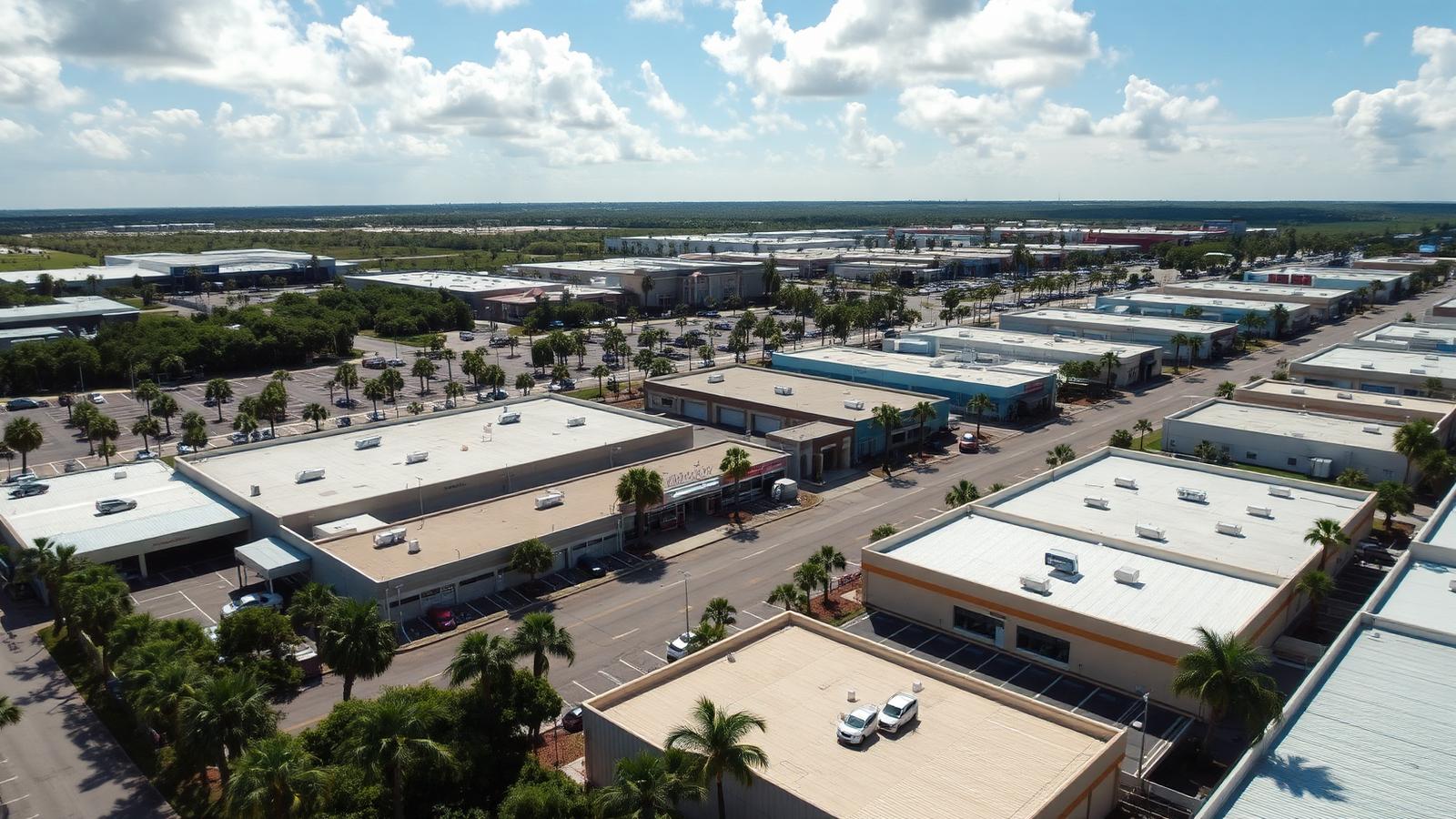
If you manage more than one building in Broward, Miami-Dade, or Palm Beach, you already know the uncomfortable truth: you don't have twelve roof problems. You have one prioritization problem, spread across twelve roofs.
September 10 is the statistical peak of the Atlantic hurricane season, and even in a year NOAA has held at below-normal activity, South Florida's rain doesn't take the season off. Meanwhile, budget season is bearing down, and every one of your properties wants a line item. The managers who come out ahead aren't the ones with the newest roofs — they're the ones with a system for deciding which roof gets money, which gets maintenance, and which gets left alone. Here's the triage system we recommend after 30+ years and 10 million+ square feet of commercial roofing across South Florida.
Why "Whoever Leaked Last" Is the Most Expensive Strategy
Most multi-property roof management is reactive by default. A tenant calls, a ceiling tile stains, and that building jumps the queue. The problem is what reactive management costs over time. Commercial property operations research from Re-Leased puts reactive maintenance at 25–30% more than a preventive program, with emergency labor running 2–3x standard rates. Roofing-specific estimates are starker: industry analyses of roof asset management programs put the 30-year cost of a reactively managed roof at roughly $18–28 per square foot, versus $8–12 for one that's proactively maintained — because reactive roofs tend to hit full replacement in 12–15 years while maintained roofs run 25–30.
A roof portfolio managed by whichever building leaked last isn't a strategy. It's a queue — and the most expensive problems are always at the back of it.
The fix isn't more money. It's knowing, building by building, what you actually have.
Step 1: Build a One-Page File on Every Roof
You can't triage what you haven't inventoried. For each property, get one page that answers: How old is the roof, and what's the assembly (BUR, mod-bit, TPO, metal, foam)? Is there a warranty in force, and what does it require to stay in force? When was it last professionally inspected? What's the leak and repair history for the last three years? What's sitting on it — HVAC units, satellite equipment, abandoned curbs?
Most South Florida PMs we meet can answer these questions for two or three buildings and are guessing on the rest. That guess is what turns a $4,000 repair into a $400,000 replacement conversation, because deterioration that would have been caught at a semi-annual inspection instead announces itself through a tenant's ceiling.
Step 2: Grade Every Roof — and Let Moisture Make the Call
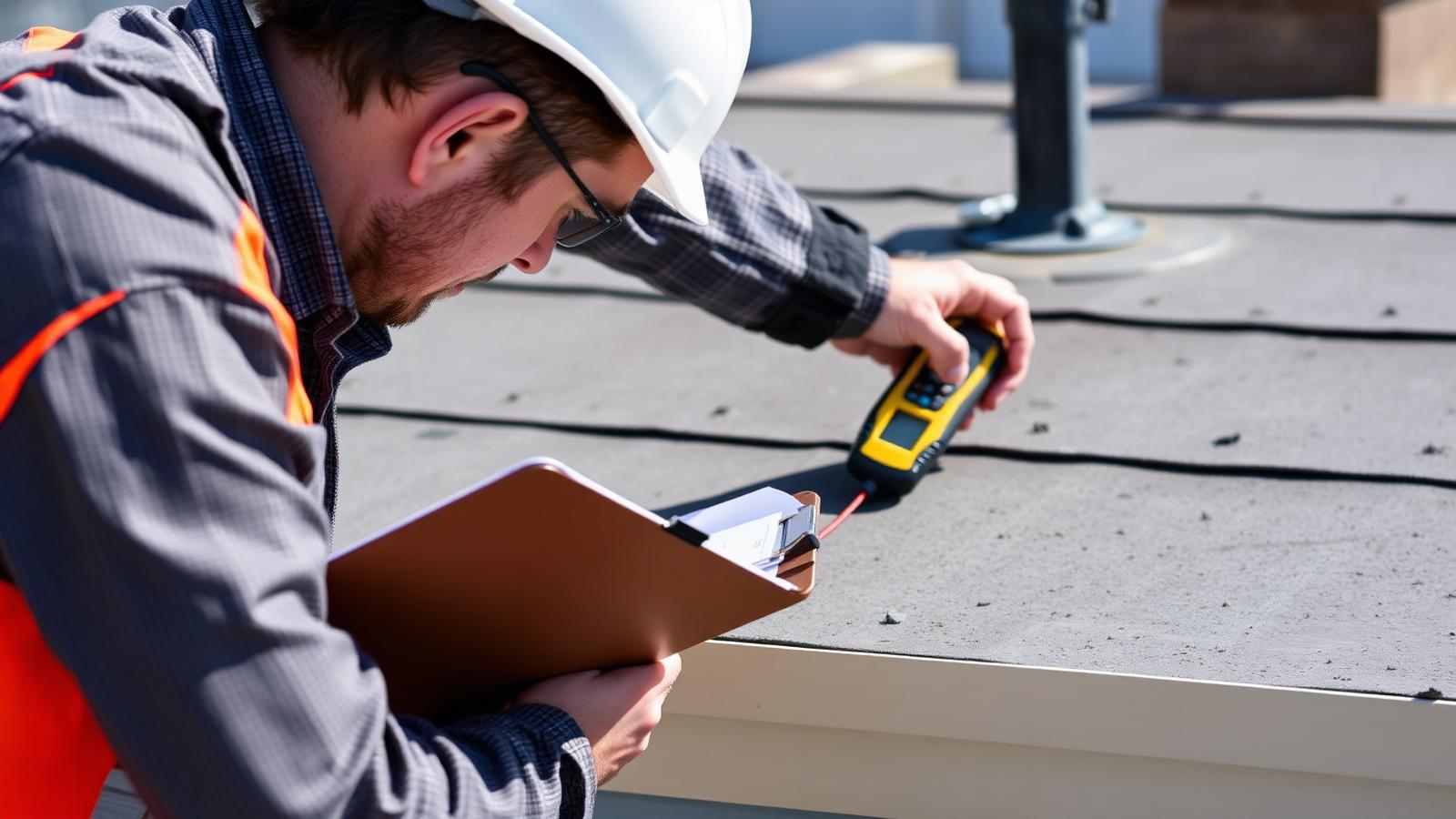
With the inventory built, put every roof into one of three buckets. The grading tool that matters most in South Florida isn't age — it's moisture content in the roof assembly, measured by infrared or core sampling, not eyeballed from a ladder.
We call it the Moisture Rule, and we apply it on every assessment we do. If less than 15% of the roof area is wet, the roof is a restoration candidate: remove and replace the saturated sections, then coat or foam the field. If more than 50% is wet, restoration would be burying a problem — that roof needs replacement, and we'll tell you so even though replacement isn't what we sell. In between, targeted moisture surveys decide.
That gives you three portfolio buckets. Healthy roofs (dry, sound, mid-life) go on a maintenance program and otherwise get left alone. Restoration candidates (aging, minor moisture, chronic small leaks) get budgeted for a spray foam or silicone restoration. Replacement roofs (saturated, structurally compromised) get scheduled for capital replacement — no coating will save them, and anyone who says otherwise is selling you a delay, not a roof.
Step 3: Sequence the Money Across the Portfolio
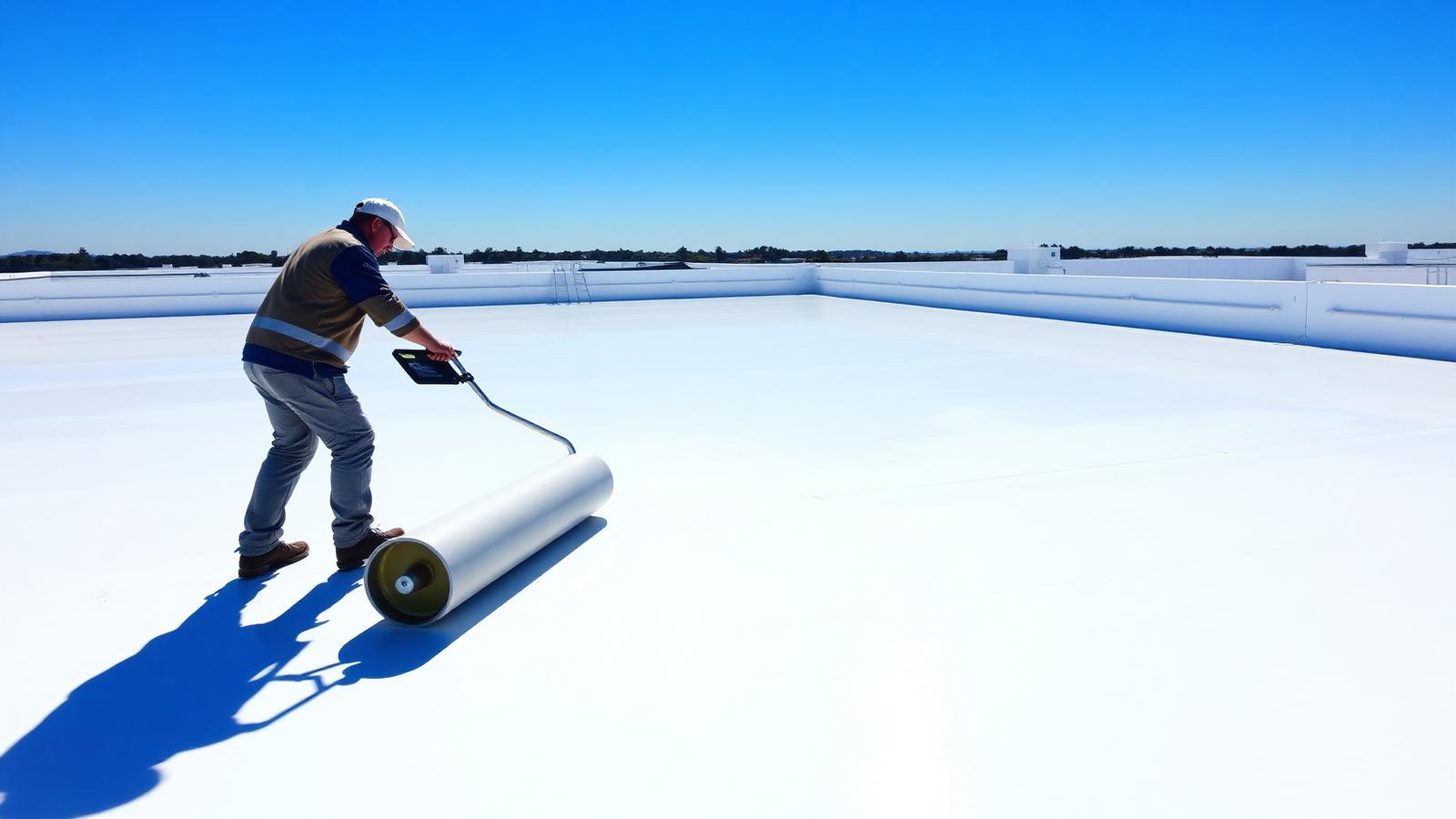
Here's where portfolio thinking pays for itself. A commercial roof restoration — SPF or silicone over the existing assembly — typically runs about one-third the cost of replacement, with no tear-off, no dumpsters, and no tenants relocated. That math changes what a portfolio budget looks like: instead of replacing one roof this year and praying over the other eleven, many portfolios can restore two or three roofs and put the rest under scheduled maintenance for the same total spend.
A few sequencing rules we've seen work across three decades of South Florida portfolios. Fix the worst moisture first, not the loudest tenant — saturation spreads, and a wet roof gets more expensive every rainy season it waits. Stagger restorations so warranties and re-coat cycles don't all come due the same year. For condo portfolios, sync the roof plan with your SIRS and reserve schedule, so the structural integrity study and the roof budget tell the same story instead of two different ones. And put every healthy roof on a documented maintenance program — ours is called Crown Care — because the cheapest square foot in your portfolio is the one you never have to restore.
Why September Is the Month to Do This
The timing works in your favor right now. We're at the peak of a season NOAA still expects to finish below normal — which means assessment crews and restoration schedules are more available than they'd be after a major landfall, when every roofer in Florida is booked on emergency work. South Florida's dry season, roughly November through April, is the ideal installation window for foam and coatings. And most 2027 operating budgets get locked in the next 60–90 days.
Get the assessments done now, and your budget requests go in with moisture data and grades attached instead of estimates and hope. That's also why we built the Instant Roof Analyzer — a fast way to get a preliminary read on any roof in your portfolio before you ever schedule a site visit.
We've been doing this from Pompano Beach for 30+ years, with a core crew that's been together for more than 20 of them, 25 people on payroll, and seven fully-rigged spray trucks — enough capacity to assess a whole portfolio, not just your worst building.
FAQ
How often should a commercial roof in South Florida be inspected? Twice a year — once before rainy season (spring) and once after (late fall) — plus after any named storm or severe wind event. Documented inspections also matter for warranty compliance and, increasingly, for insurance underwriting.
Can one maintenance program cover different roof types across my portfolio? Yes. A portfolio with BUR, mod-bit, TPO, and metal roofs can sit under a single maintenance program; the inspection points differ by assembly, but the cadence, documentation, and budgeting all consolidate. That's exactly what Crown Care is built for.
What does a portfolio roof assessment cost? With us, the initial assessment is free — including for multi-property portfolios. You get the condition grade and moisture findings whether or not you ever hire us, and if a roof fails the Moisture Rule, we'll tell you to replace it rather than coat it.
If you're heading into budget season with roofs you can't confidently grade, start with the buildings you know least. ROOF KING will walk the portfolio, run the moisture data, and hand you a restore-monitor-replace map you can take straight into budget meetings. Schedule your free roof assessment at 954-782-3002. Strength from above.
Sources
- https://www.re-leased.com/property-operations/preventive-maintenance-vs.-reactive-maintenance-costs-roi-best-practices
- https://www.rcroofingllc.com/blog/building-a-commercial-roof-asset-management-program
- https://www.noaa.gov/news-release/noaa-maintains-prediction-for-below-normal-atlantic-hurricane-season
- https://www.cpc.ncep.noaa.gov/products/outlooks/hurricane.shtml
Related reading
Free assessment
Free Commercial Roof Assessment
Licensed & insured Florida commercial roofing. Spray foam and silicone restoration across South Florida — no pressure, no cost.